
Even though this wasn’t our first trip to Japan, we did the classic “Golden Route,” exploring Tokyo, Kyoto, and Osaka. There’s so much to see and do that—even after two trips—we still couldn’t fit everything in.
To get the most bang for our buck (let’s face it, trips to Japan aren’t cheap!), we figured, why not squeeze a little extra value wherever we can—saving not just money but also time? Enter the world of passes: the ever-famous JR Pass, and the Metro and Bus passes. I did my research and thought a Metro/Bus pass would be perfect for us (we’ll save the JR Pass for another day). In reality? Well… here’s what actually worked.
Tokyo
We bought the 72-hour Tokyo Subway Pass thinking it would be a convenient, budget-friendly option. The pass gives you unlimited rides on Tokyo Metro and Toei Subway lines and activates on first use, lasting 24, 48, or 72 hours depending on the pass you choose.
However, JR lines—including the super-useful Yamanote Line, which loops around many major sights—are not included. Once we arrived and mapped out our routes, we realized that most places we wanted to visit were faster and easier to reach via JR, not the Metro/Toei network.
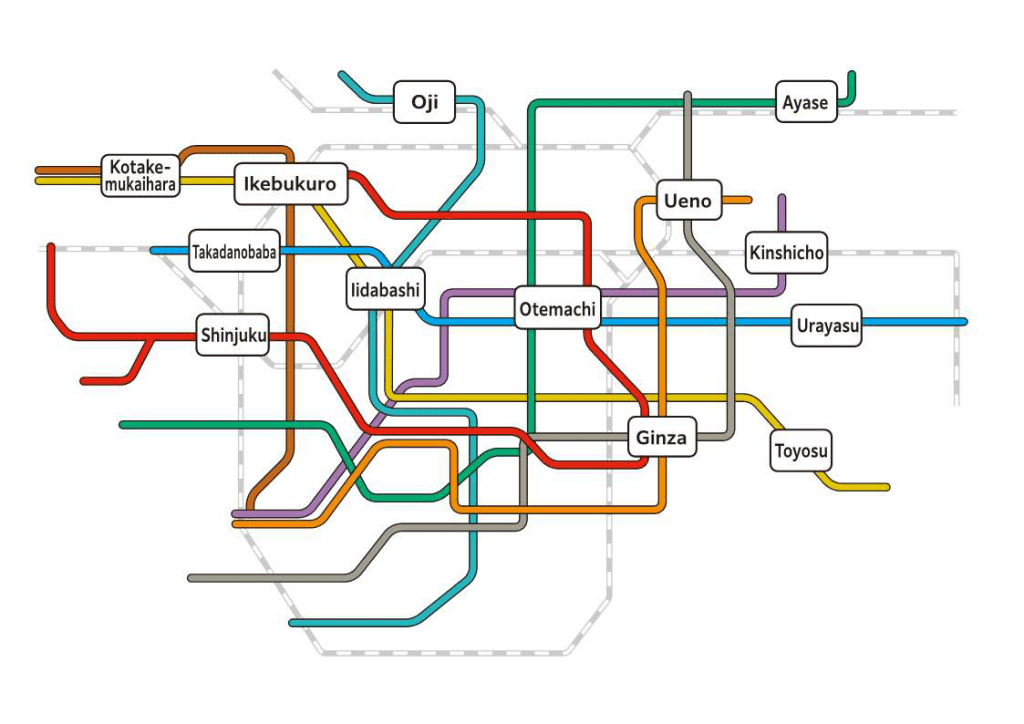
When the Tokyo Subway Pass might be useful:
- If your itinerary is focused on areas only accessible by Tokyo Metro or Toei lines.
- If you plan to take multiple rides (3 or more) per day on these lines, enough to make the pass cost-effective.
For most JR-heavy itineraries, the pass is rarely used. A simple IC card (Suica/Pasmo) gives you the same convenience, letting you tap in and out on both JR and subway lines without worrying about zones or expiration.
This pass, of course, will be cost-effective and convenient for those who can plan their routes with the covered lines. We simply chose the fastest, less-transfer routes at the time of need, and for us, it turned out to be mostly JR lines that are not covered by the pass. The occasional 1-2 times that we actually used the metro line did not make up for the cost of the pass.
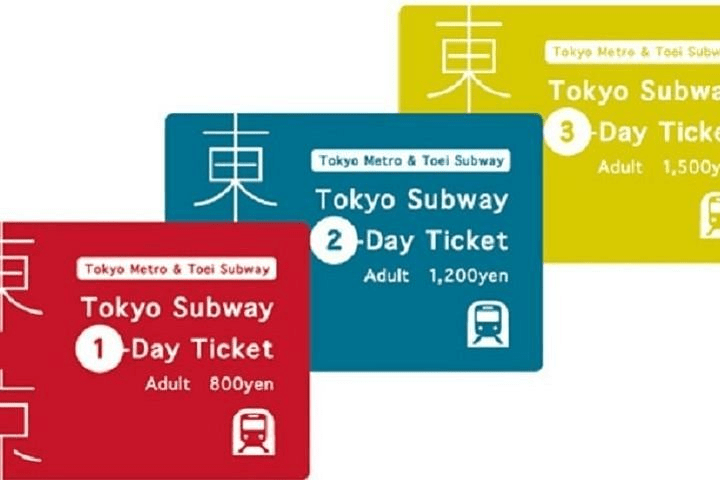
If the pass works out for your planned routes, then you can purchase it at major stations around Tokyo. Or you can choose to purchase in advance via 3rd party vendors like Klook (not sponsored!)
Kyoto
We stayed in Gion, where trains are less convenient for most tourist spots. The city’s layout means you’ll mostly rely on city buses, walking, or the occasional Uber. We only used the train twice (round-trip to Fushimi Inari Taisha; the temple entrance is right outside as you exit the Fushimi-Inari Station). Everything else—temples, markets, riverside areas—was simpler to access on foot or by bus.
If you stay near Gion or Higashiyama, a train pass won’t add much value. A rechargeable IC card (Suica/Pasmo/Icoca) is all you really need here. If you stay near Kyoto station, then you will most likely use a combination of train and bus.
What about the Kyoto City Bus Pass?
The bus pass can be useful in certain cases, but for most travelers today—especially those staying in Gion or Higashiyama—it’s usually not worth it:
- The popular 1-day Unlimited Bus Pass that used to cover all Kyoto buses was discontinued. The current version only covers a limited central area.
- Many major attractions (e.g., Arashiyama, Kinkaku-ji, some northern temples) fall outside the unlimited zone.
- Kyoto traffic can be slow and unpredictable, especially during peak seasons like autumn.
- You may end up using a combination of bus + walking, or even calling an Uber, instead of riding buses enough times to justify the pass.

When it might be helpful:
- If your itinerary is focused within the central loop (Kawaramachi, Gion, Kiyomizu, Higashiyama, Kyoto Station).
- If you plan to take 3+ buses in one day within that zone.
For most visitors staying in Gion, walking is often faster because the top sights are packed close together. When distances are a bit farther, a quick bus ride or Uber works better than stacking bus trips.
Bottom line: A simple IC card (Suica/Pasmo/Icoca) is the most flexible option. You tap in, tap out—no need to worry about zones, transfer rules, or “getting your money’s worth.” We didn’t buy the Kyoto bus pass. For our party of 6, we used IC card for our bus rides. Other times, using Uber was more convenient (faster since we didn’t need to make multiple stops or transfers), and the cost for 6 was justified.
Osaka
Osaka has an extensive subway network, JR lines, and a variety of private railways. Many major tourist spots—like Osaka Castle, Dotonbori, Umeda, and the aquarium—are accessible via JR or subway, and the city is compact enough to walk between nearby areas.
When an Osaka transit pass might be useful:
- If you plan to visit many attractions in a single day, the Osaka Amazing Pass (1- or 2-day versions) can save money. It covers unlimited subway, tram, and bus rides plus free entry to many attractions like Osaka Castle, Tsutenkaku, and museums.
- If your itinerary is JR-heavy (for example, day trips to Nara or Kyoto), the pass may not be cost-effective, since it doesn’t cover JR lines outside the city.
Bottom line:
For most travelers, a rechargeable IC card (Suica, Pasmo, or Icoca) is the easiest way to get around Osaka. Tap in, tap out, and you’re done. Consider a special transit pass like the Osaka Amazing Pass only if your day is packed with sightseeing within the city and you want the attraction discounts included.
We stayed near Dotonbori, so we walked around there and to Shinsaibashi. We used IC card for a few train rides, including a day trip to Nara. We also used Uber a few times. For trips from/to the airport, we recommend the limousine bus or Uber; it would be too much trouble having to deal with multiple train or bus rides with luggage.
Final Thoughts
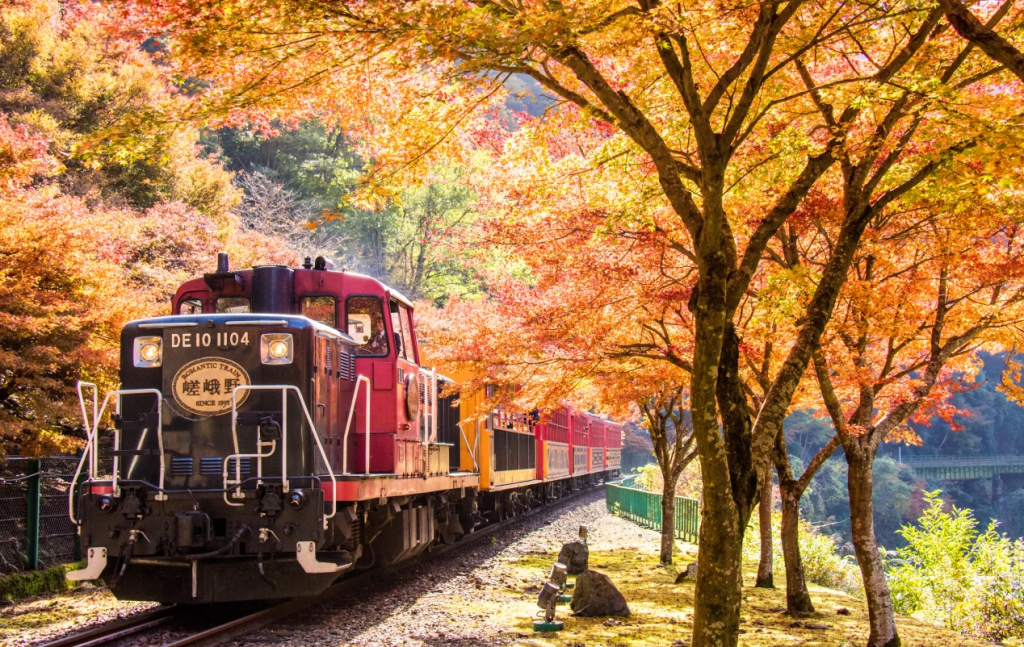
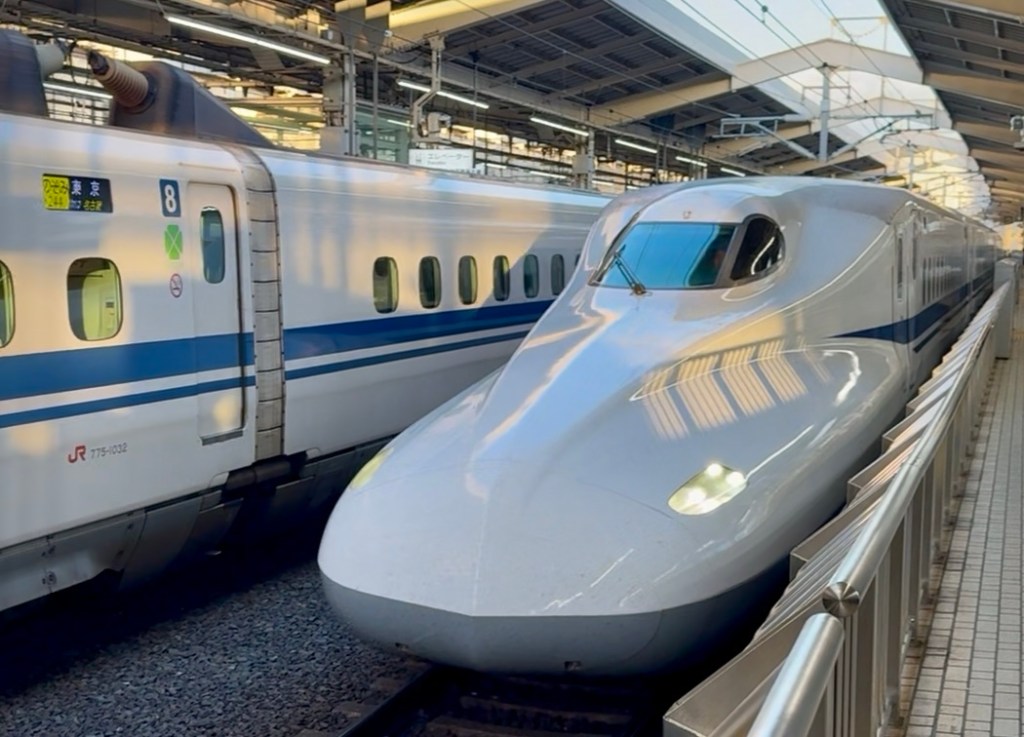
This is the romantic train. More information will be provided in my upcoming article.
Navigating Japan’s public transport can feel overwhelming at first, with all the passes, zones, and networks—but it doesn’t have to be. From our experience, the simplest solution often works best: a rechargeable IC card (Suica, Pasmo, or Icoca) gives you the flexibility to hop on JR lines, subways, and buses without worrying about zones or expiration.
Specialized passes—like the Tokyo Subway Pass, Kyoto City Bus Pass, or Osaka Amazing Pass—can be worth it in very specific situations. But for most Golden Route travelers, they’re rarely essential. A little planning, knowing which lines serve your key sights, and using an IC card will save both time and stress.
Ultimately, the best pass is the one that fits your itinerary, not the one everyone else recommends. With the right approach, you can focus on the fun parts of the trip—temples, markets, castles, and all those little streets that make Japan unforgettable—without getting caught up in transportation headaches.
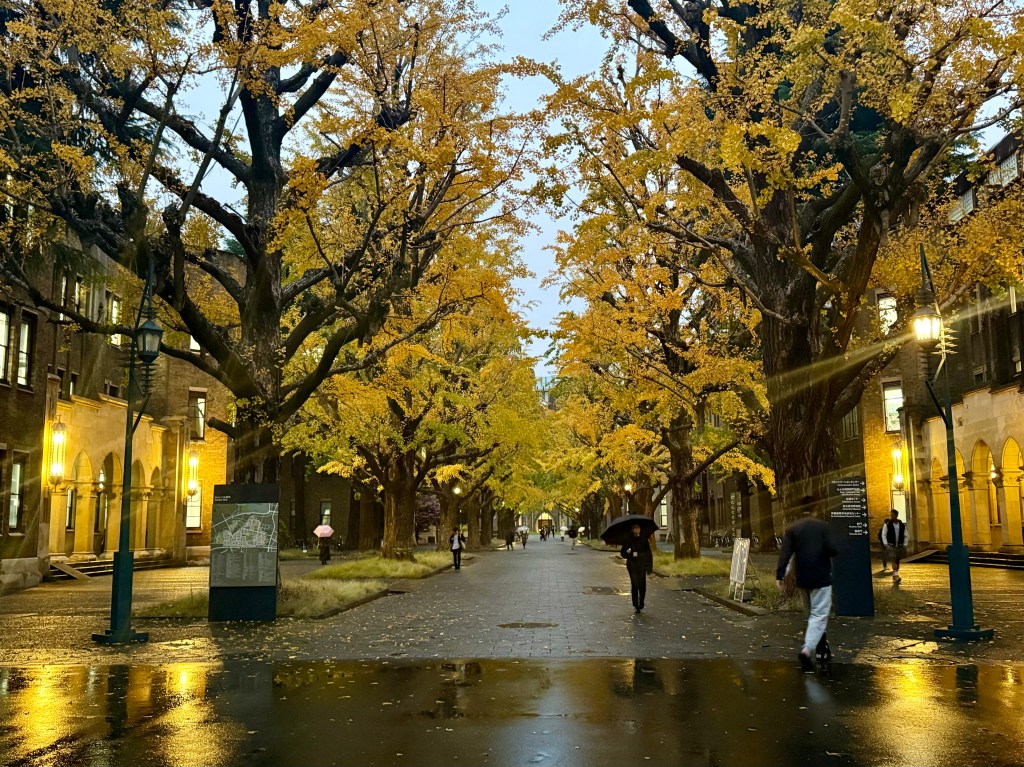
Feature photo was taken with my phone on a rainy day in Tokyo on our recent trip in November.

 Making Memories
Leave a reply to 20 Japan Travel Tips To Make Your Trip Easier, Smoother, and More Enjoyable – Making Memories Cancel reply