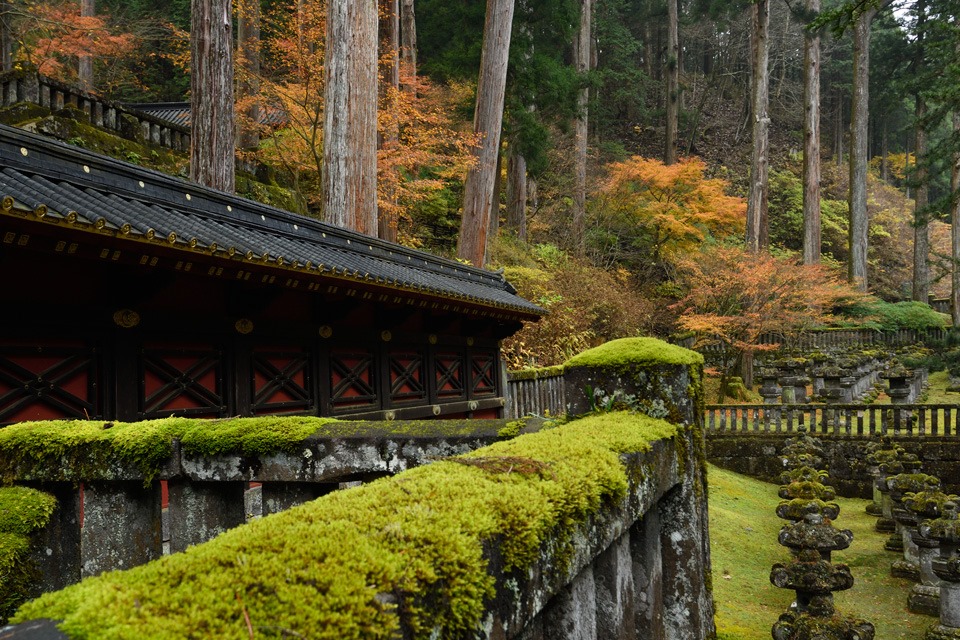
If comparing to the neighboring giants like China or Russia, then Japan seems to be a small country. However, in fact, it is the largest island country in East Asia and the fourth largest island country in the world. And even though Tokyo is a large city, it is possible to do day-trips from Tokyo. Before moving southwest to our next base, we took a day trip to Nikko, a small city in Japan’s Tochigi Prefecture, in the mountains north of Tokyo.
Why Nikko?
Nikko is known for its natural beauty, from verdant forests, rolling hills and breathtaking waterfalls to raging rivers, streams and a beautiful lake. Nikko’s beautiful setting and sacred mountains have been the backdrop of Shinto and Buddhist worship since at least the 8th century. Its most famous shrines and temples are a UNESCO World Heritage site. The surrounding national park is a destination for hikers as well. So if you’re looking for a break away from the hustle and bustle of the big city (Tokyo), then Nikko may be an ideal place to visit.
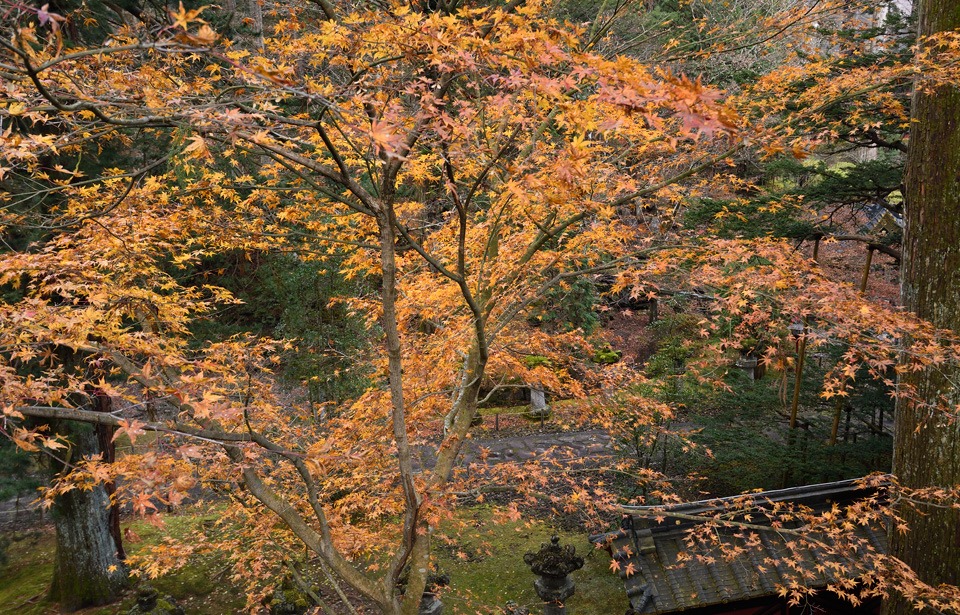
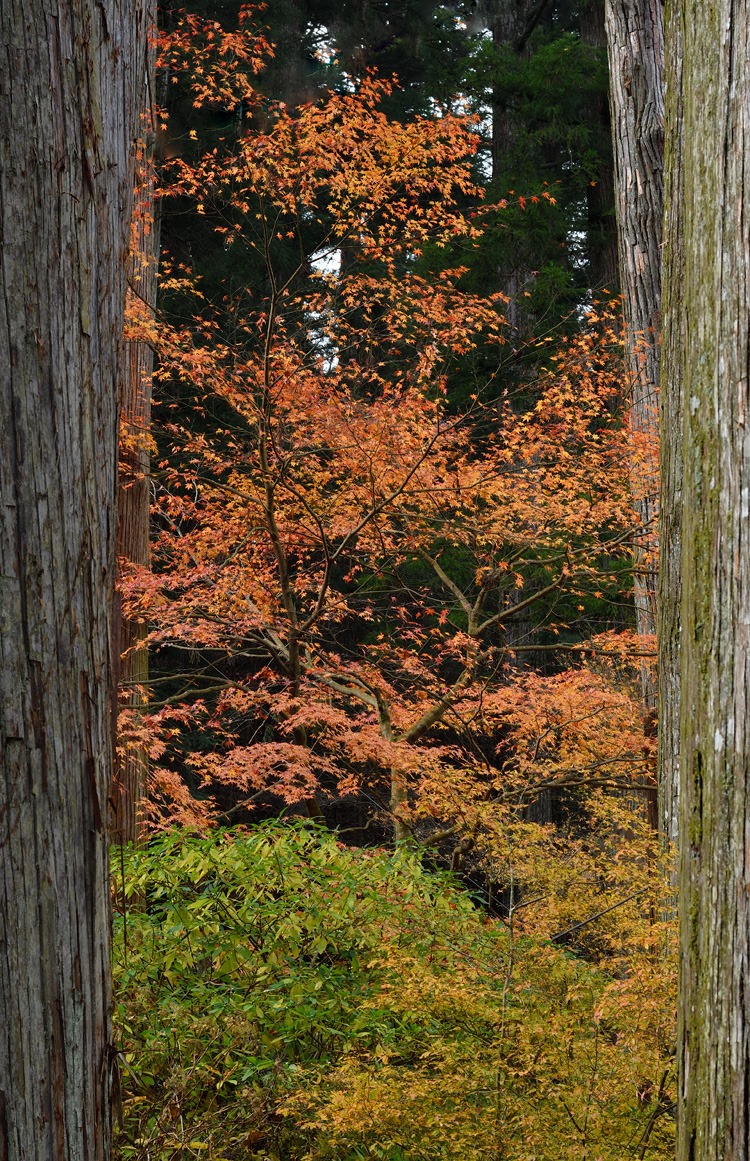
With a day trip, we of course couldn’t hike the national park. Since we visited during the Fall, we were chasing foliage! And what better setting to see foliage than against waterfalls, forests and beautiful temples and shrines?!
How to get there?
Using our JR pass, we took the train from Tokyo to Nikko (JR Nikko Station). Then from the train station, we used the bus to visit attractions. It is not a short journey, including train and bus rides, so it’s best to start the day early.
If you plan to spend the full day or several days in Nikko, then getting a Nikko Pass would be ideal.
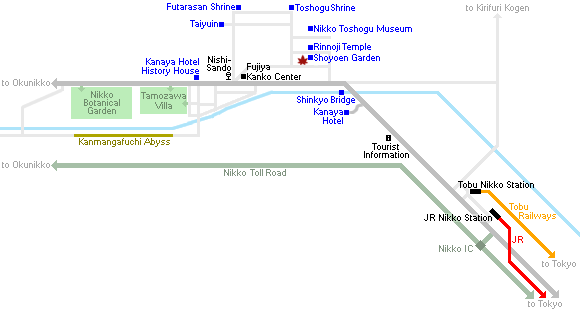
Places to visit
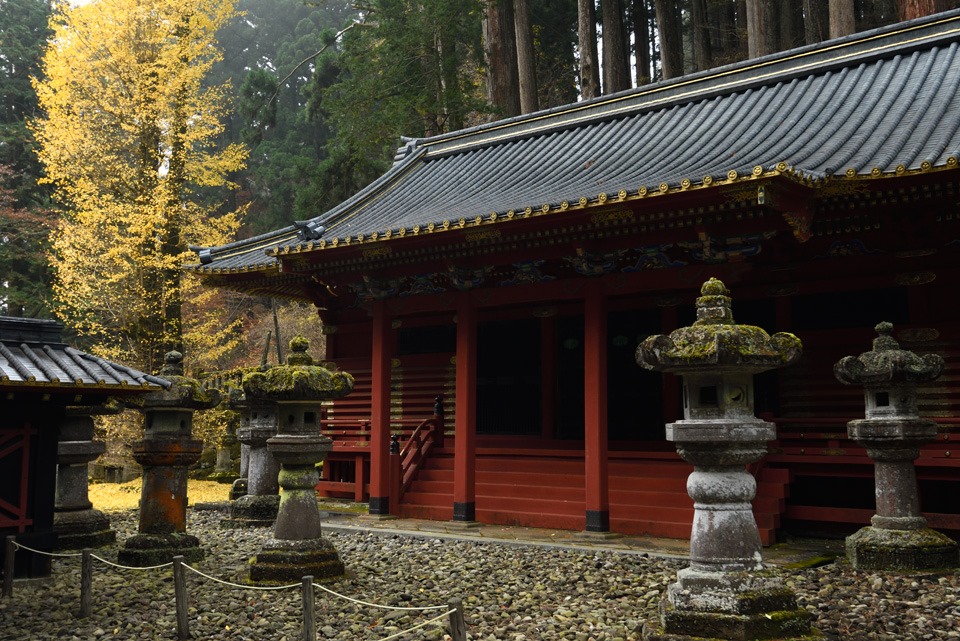
Nikko National Park
The park is considered to be the most beautiful in Japan. Aside from its beautiful scenery, the park is noted for its historical Buddhist temples and Shinto shrines. There are 3 sacred peaks: Mt. Nantai, Mt. Nyoho and Mt. Taro, collectively known as Nikko Sanzan. Out of the three, Mt. Nantai is the highest. If you’re an avid hiker, then hiking to the summits require a full day on the trail. Or you can leisurely hike around Lake Chuzenji. There are different trails suitable for hikers of all levels. The area is known for its dense maple and oak, so it is especially beautiful in the Autumn. There are also famous hot springs in the area, such as Nikko Yumoto Onsen on the shore of Lake Yunoko, just north of Lake Chuzenji. You can hike and camp here in the warmer months and ski in the winter.
Nikkō Tōshogū Shrine
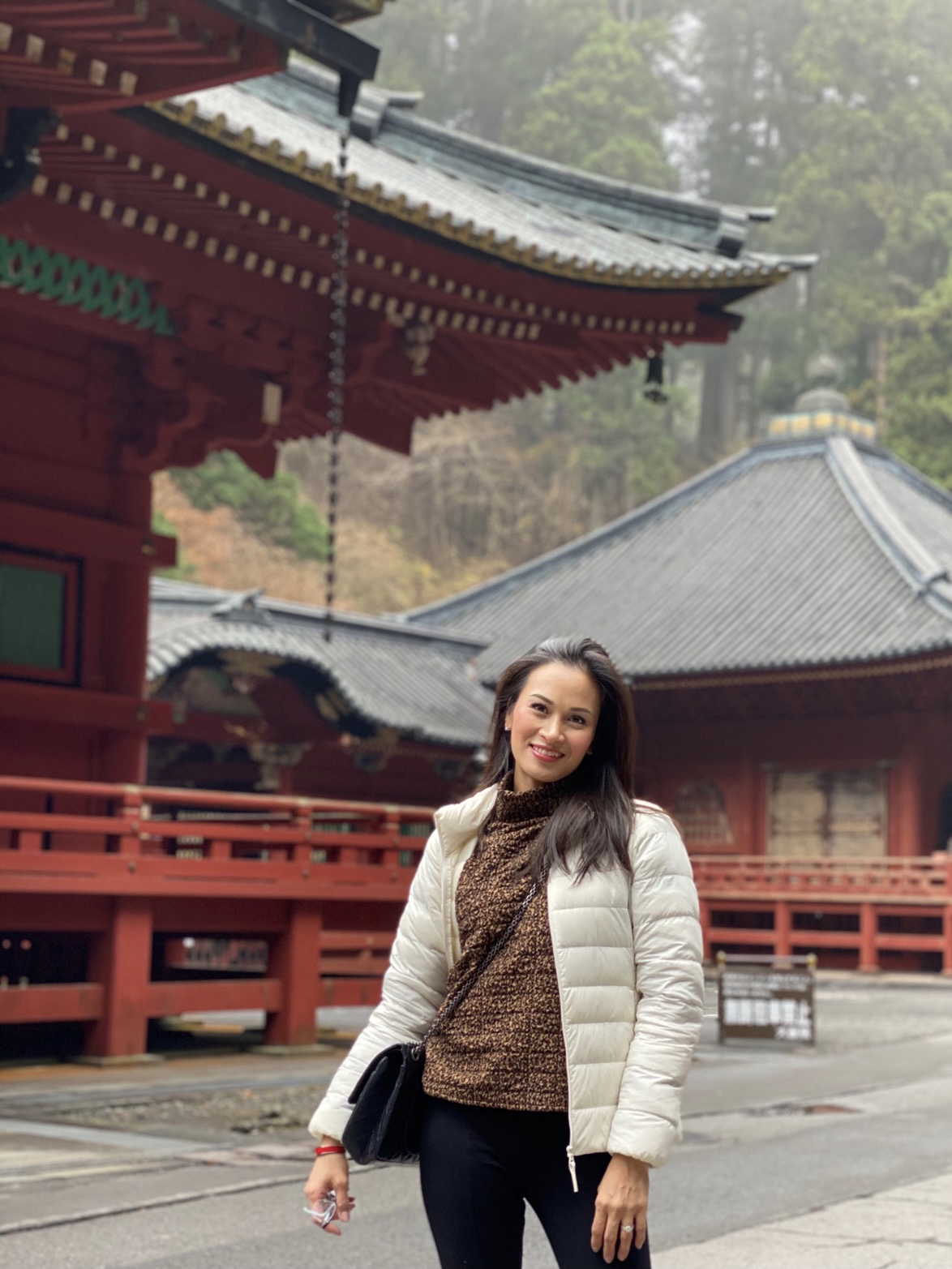
The shrine is a memorial to Tokugawa Ieyasu, the founder of the Tokugawa Shogunate, which ruled Japan for over 250 years. The simple shrine was enlarged into a complex (by Ieyasu’s grandson) consisted of more than a dozen buildings set in a beautiful forest. The buildings are decorated by wood carvings with gold leaf, which is something you don’t normally see in traditional Japanese shrines whose philosophy is simplicity.
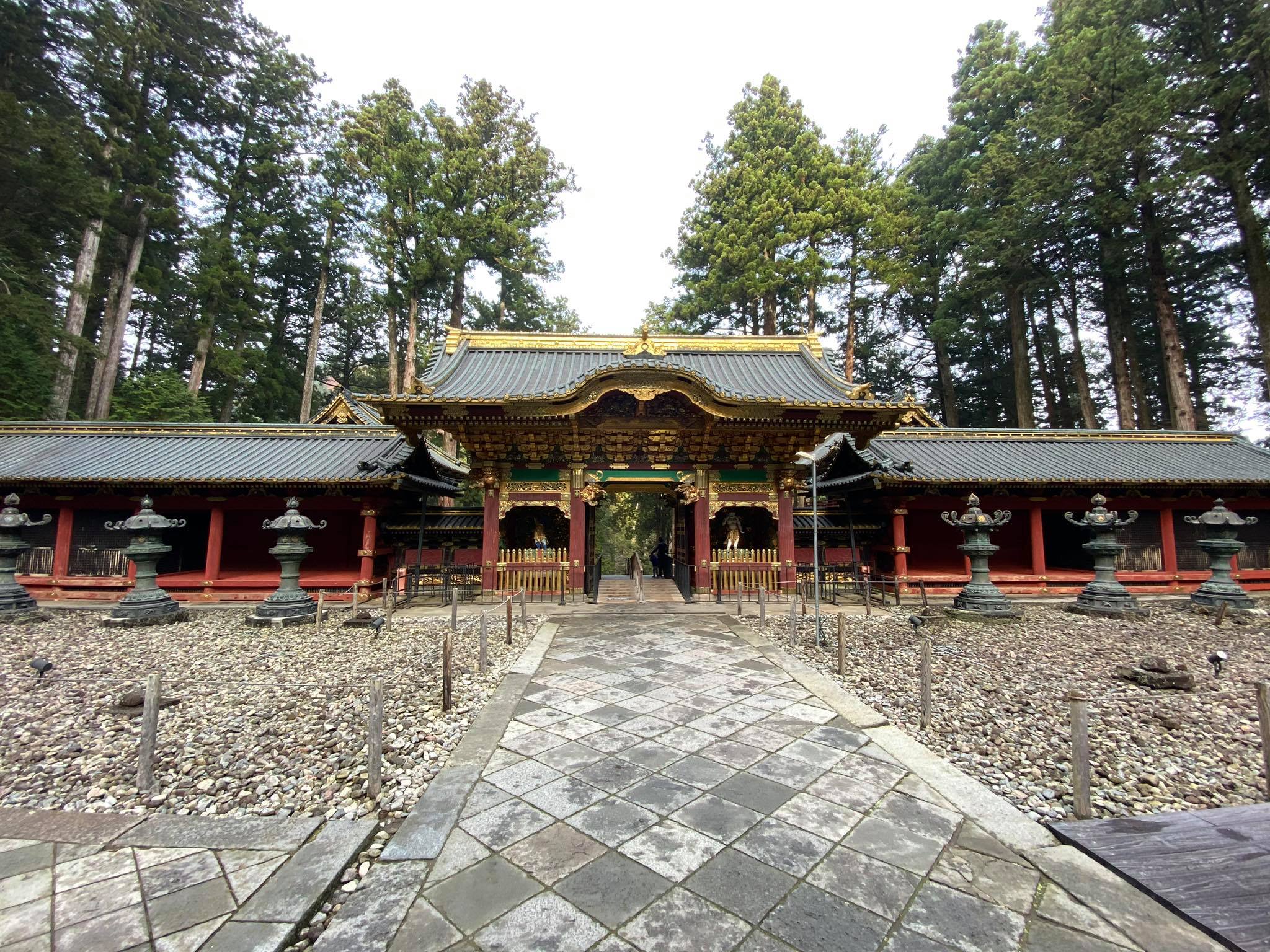
Although characterized as a Shinto Shrine, Tōshogū contains both Shinto and Buddhist elements until its separation from Buddhism during the Meiji period.
Admission to the shrine complex requires a ticket. There’s a museum on site and requires a separate ticket. You can purchase them separately or as a bundle.

There are other visit-worthy temples and shrines nearby (as you can see in the map image above), such as:
- Futarasan-jinja Shrine (Shinto)
- Rinnoji Temple (Buddhist)
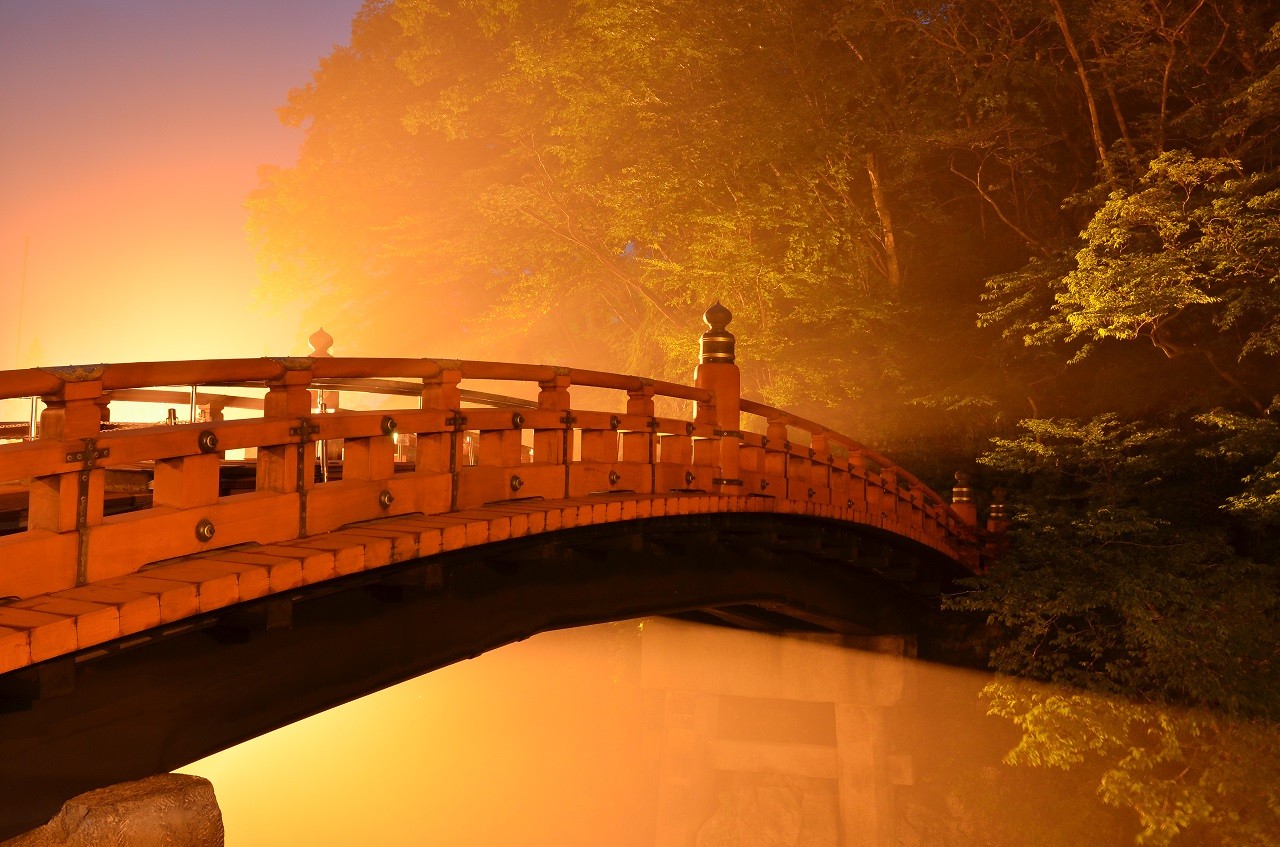
Shinkyō Bridge
The name means sacred bridge in Japanese, and situated at the entrance into the Nikko mountains, it acts as a sacred front door to Nikko’s shrines and temples. According to legend, Buddhist monk Shodo, the first head priest of Nikko, asked the mountain deities for help crossing the Daiya River, at which point two snakes appeared and transformed into a bridge. For this reason, the bridge is also known as Yamasuge no Jabashi, means the Bridge of Snakes with Wild Sedges. It was registered as a World Heritage Site in 1999.
To walk on the bridge, a small fee is required.
Ryuzu Falls
Administered by Nikko National Park and famous for its autumn colors, Ryuzu Falls means “dragon head waterfall” in Japanese. The name comes from the shape of the falls, which resembles the head of a dragon. The waterfall is located on Yukawa River, shortly before the river discharges into Lake Chuzenji. Ryuzu Waterfall is one of the first spots in Nikko to see autumn colors, typically peak in early October.
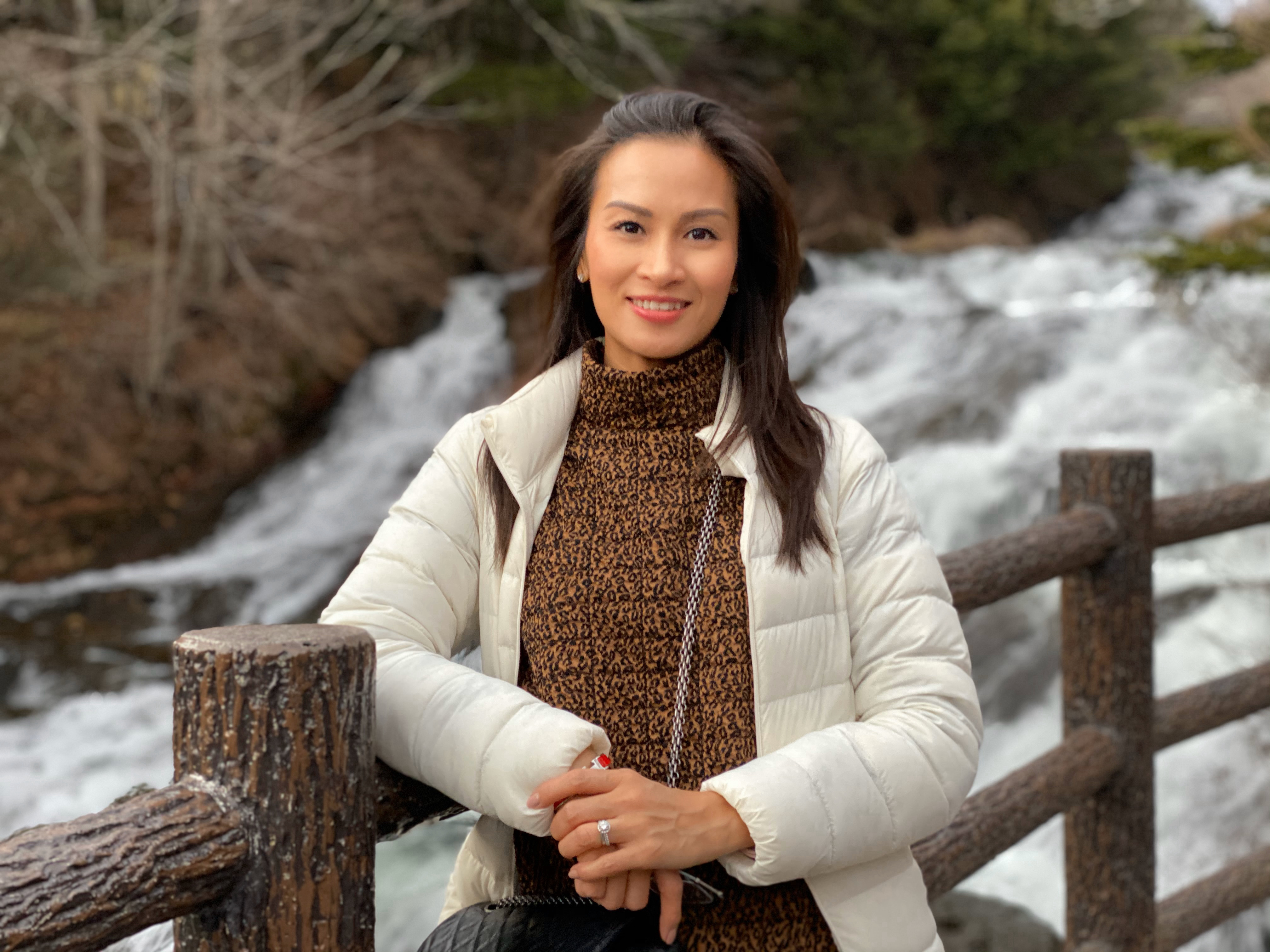
There’s an observation deck to view the waterfall. It’s a nice walk with steps to reach the observation deck. You can also walk along the hike to go upstream to get a better view of the foliage along the river.
We visited during the American Thanksgiving week, so it was a little late for Fall colors. Still, the waterfall is still beautiful regardless the time of the year. We were literally racing against time as the sunset was much earlier during late Fall, and being surrounded by the forest doesn’t help. It was already dark by the time we walked to the bus stop (very near the waterfall). There was nothing nearby (no stores or any business), but we felt safe and the bus came to pick us up timely as scheduled.
Besides lush forests and sacred temples, Nikko is called the Land of Waterfalls. In the summer, Nikko’s waterfalls are shaded by lush greenery with water dripping from leaves and moss. In autumn, they are surrounded by stunning foliage. In the winter, the waterfalls are half or fully frozen with rocks covered in snow and icicles. Other waterfalls you may consider visiting:
- Yu Falls
- Ko Falls
- Kegon Falls
- Urami Falls
- Jakko Falls
We had a few waterfalls on our itinerary, but were able to visit only the Ryuzu Falls.
Nature as healing would be a way to describe a trip to Nikko. It is a hidden gem where ancient temples and natural beauty offer a wellness retreat like no other. So the next time you visit Japan, consider adding Nikko to your itinerary! Not just an ordinary day trip, it’s an escape into nature!

 Making Memories
Leave a reply to 15 Japan Travel Tips To Make Your Trip Easier, Smoother, and More Enjoyable – Making Memories Cancel reply