

Lunar New Year 2024 was just 3 weeks ago, but the celebration continues this weekend. In Southeast Asia where observed, the Lunar New Year is literally celebrated for an entire month! It’s as big a holiday as Christmas in the U.S. As we welcome the Year of the Dragon, I am reminded of our cultures and traditions. And while on that thought, I feel it is only right for me to share with you the next popular destination that is loaded with culture: Japan! Such a country full of cultures and traditions to wow you, my article would probably be at least 10 pages long if I share my experiences there!! So this time, let us focus on the general information first. I will eventually share my itinerary and must-do’s at each destination that we visited in Japan. With Spring just around the corner, and being one of the most popular places for cherry-blossom viewing, Japan is definitely on the horizon for cherry-blossom enthusiasts and world travelers alike!
When to visit
The best months to visit Japan are March, April, May and then October and November. June is their rainy season. July, August and sometimes September are very hot. December to February are just too cold.
Cherry blossom season in Japan is generally said to be from late March to April, but given the geographical scope of the country, the blooming period actually covers around 4 months! In the subtropical islands of Okinawa, cherry blossoms begin blooming in mid-January, with the best viewing time around early February.
Summer in Japan can get very, very hot. However, it is the time for some of the best matsuri (festival) in Japan such as the Gion Matsuri.
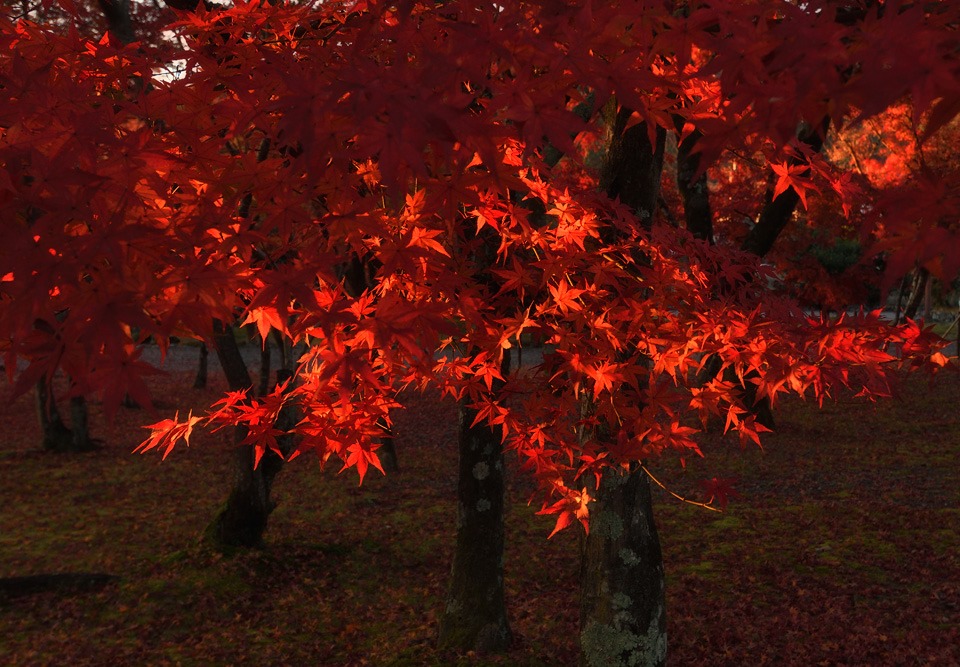
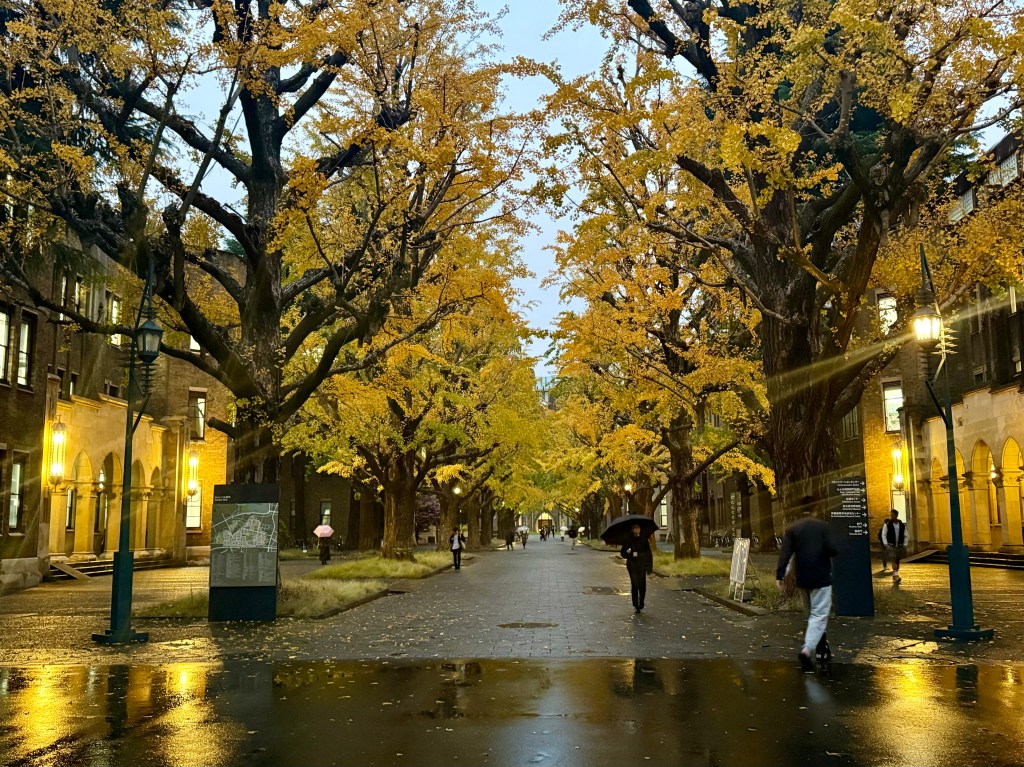
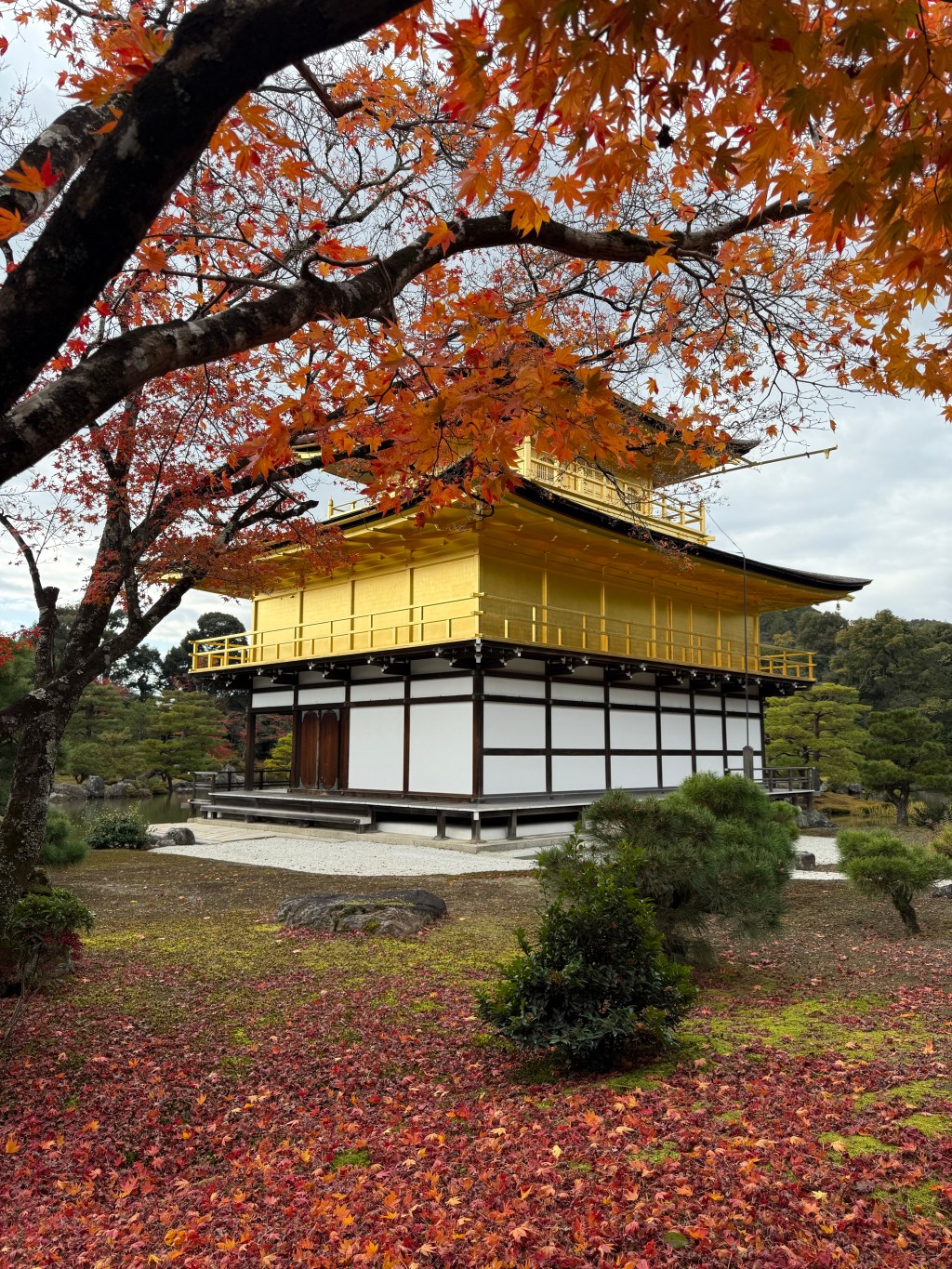
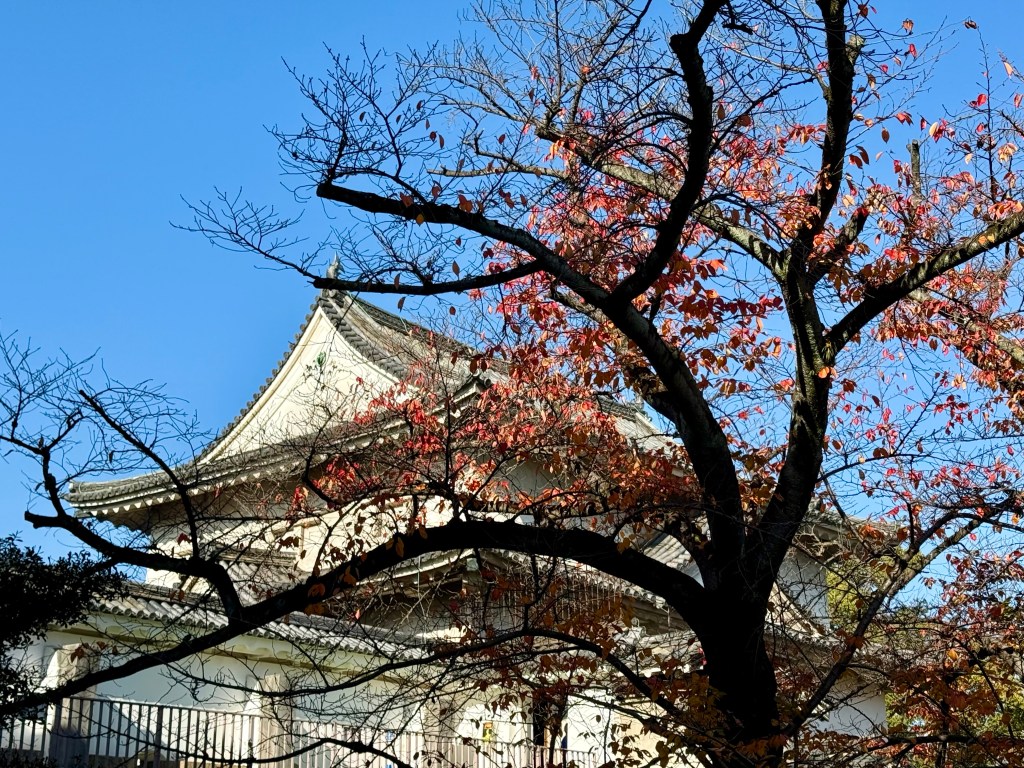
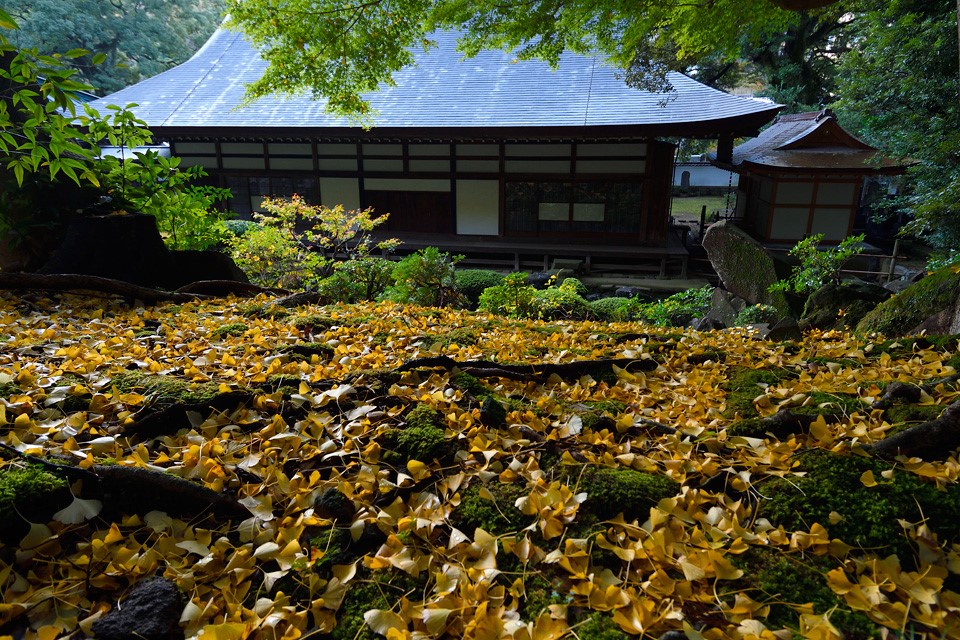
Autumn foliage in Japan is also popular, although not as much as the hanami (cherry-blossom viewing). Autumn in Japan spans from September to November, with foliage changing from mid-October onwards. The end of November is the peak time to enjoy vibrant foliage across the country. Two waves of foliage occur: yellow leaves (ginkgo trees) in late October, followed by red leaves (Japanese maple) in early November.
Winter in Japan is quite extreme. However, if you are an avid skier, then Japan is famous for its excellent skiing, from Niseko to the Japanese Alps.
So as you can see, there’s more to Japan than just cherry blossoms, although the busiest time for tourism in Japan is from late March to April when travellers from all over the world come to admire the cherry blossoms.
Transportation
Without a doubt, Japan has one of the most efficient public transportation networks in the world. Railways are Japan’s main method of passenger transport, allowing fast and frequent access within and between major cities and metropolitan areas. Buses can get a bit confusing, but if you have time (because it’s slower, of course) and want to see the city while on the move, then this is a good option.
Airport transportation
From the airport, there are many options to get into town. To determine what is the best means of transportation for you, please visit Narita Airport Access page. Here, you can enter your arriving terminal and your destination, they will suggest the best transportation for you, including the time and cost. Haneda airport access site doesn’t have a convenient route wizard as in Narita, but Haneda Airport Access page contains very detailed information about each type of transportation.
Our flight arrived in Narita in the afternoon, and we took the limousine bus to our Airbnb. Although the bus was comfortable, we were stuck in the evening traffic jam, so the ride took a long time. Lesson learned, we took the train instead to the airport when leaving (using our JR Pass – details below). So keep this in mind when you plan your transportation from and to the airport.
Japan Rail
Japan Rail is the most popular way to get around Japan. I suggest getting the Japan Rail Pass (JR Pass) as it allows you to get almost all of the JR trains throughout Japan, including local and bullet trains. As of 2017, the JR Pass is only available for purchase to foreign visitors, so take advantage of this. You can purchase the JR Pass in advance. There are 2 types of JR Pass: Ordinary and Green. The seats in the Green class cars are by reservation only; of course these are the nicer cars: more luxurious space and quiet. The Ordinary pass allows you to travel in the reserved or non-reserved cars (typically more crowded). The advantage of having the Ordinary pass is flexibility; you don’t need to reserve seats; the flip side is you may not have seats on the train and must stand in the deck area. Seats can be reserved online, at certain ticket machines or at the ticket office.
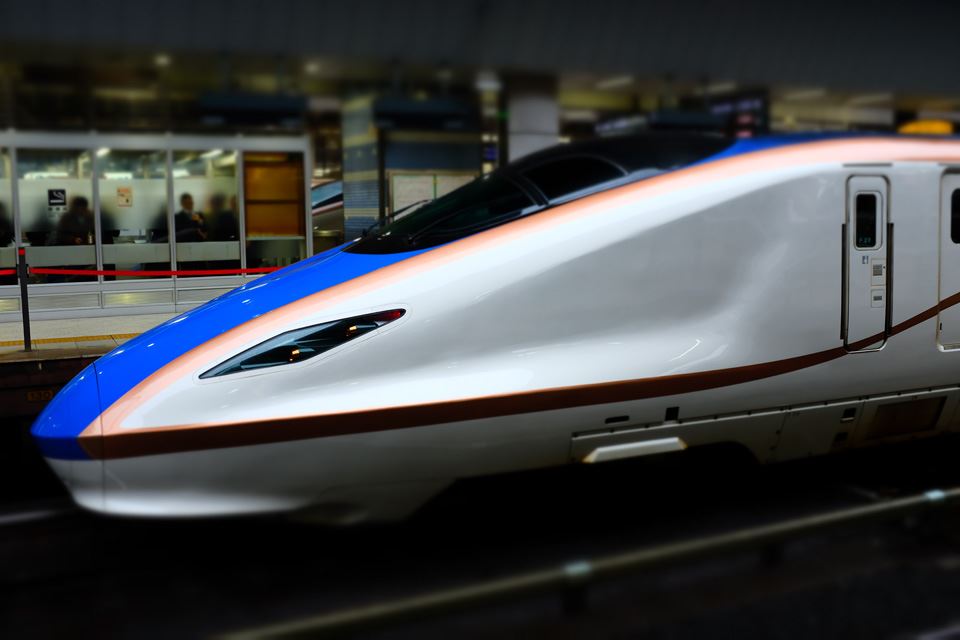
There are different types of pass that suit your need: 7-day, 14-day or even 21-day versions. Prices in USD fluctuate by exchange rate, so it’s worth keeping an eye out when the rate is at a good price. I suggest you purchase the JR Pass online prior to your trip (up to 90 days in advance). Then you can exchange for the pass at the airport, so it can be used right away. For more information, please visit the Japan Rail Pass website.
Rideshare
Rideshares provide an easier way to get around the city if you don’t want to deal with the subway/rail or metro. By easier, I mean you don’t have to figure out the rail system, not that it’s necessarily better but definitely easier. Note that traffic and cost are important factors to consider.
Although Uber is now available, Japan has their own version of private car share called Didi’s. However, the most popular rideshare app in Japan is the Taxi App called Go, where they hail a network of about 100 thousand cabs from multiple companies. Go app is available on both Apple and Android devices.
Others
The JR Pass works for the JR lines. There are regional lines, subways and metro as well.
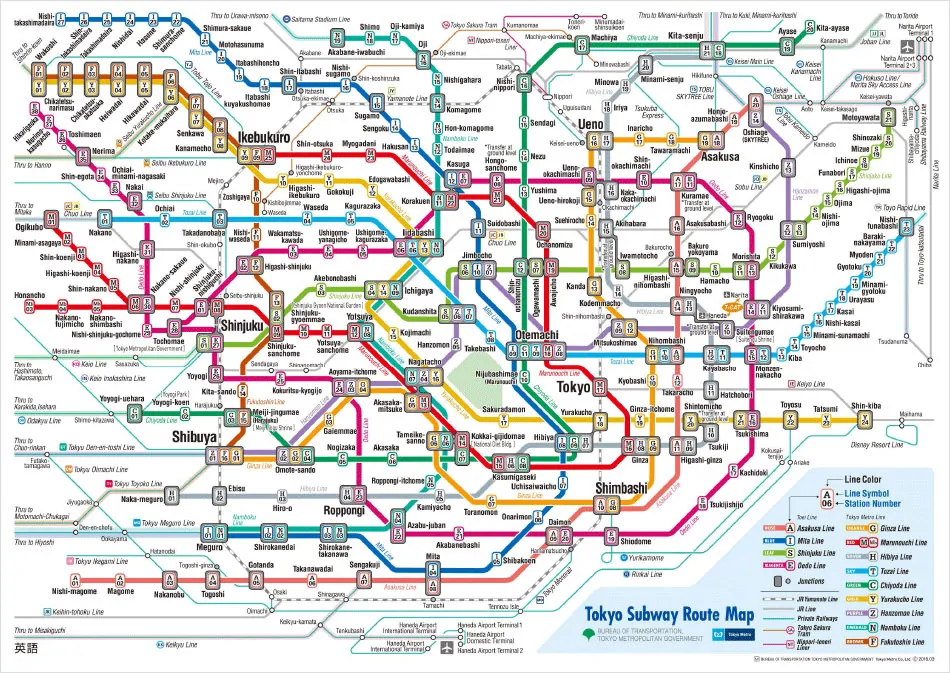
If you travel outside of Tokyo, the regional lines help to take you to neighboring regions.
- Tokyu Railway – Mainly covers southwestern Tokyo and Kanagawa
- Tobu Railway – Most will take this to get up to Nikko, Saitama, and Tochigi
- Seibu Railway – Serves the Tokyo Tama Region and Saitama
- Keio Railway – Another that serves the Tokyo Tama Region
- Odakyu Railway – You’ll be using this one to head to Kanagawa including Hakone
- Keisei Railway – Serves Chiba and likely what you’ll take to get to and from Narita Airport
- Keikyu Railway – Another that serves Kanagawa and Haneda Airport
- Tsukuba Express – Connects Akihabara with Tsukuba City, Ibaraki
The rail/subway/metro system in Japan is the most sophisticated and complicated; it’s like a spiderweb underground. But because of that, it is also the most efficient. You can reach almost anywhere using the public transportation. So even if you live in Europe where you’re no stranger to the train system, I suggest you plan for extra time at the train stations. They are the most hectic and confusing places ever! For example, the Shinjuku station in Tokyo is the busiest station in the world, not just Japan, serving over 3.6 million passengers per day! So plan your itinerary and travel with time to spare.
IC Cards
IC stands for Integrated Circuit, the secure technology behind the way the card is read. An IC card (smartcard), is a rechargeable plastic prepaid card used in Japan to pay train, subway, bus and monorail fares, and for e-payment at convenience and other stores, vending machines, station coin lockers, parking lots, and more.
There are 3 commonly used IC cards: Suica card (can be purchased at JR East Stations), and ICOCA card (sold by JR West), PASMO card (sold at non-JR stations). You will find the sign where IC Card is accepted. I personally used the Suica card, so this is the one I’m most familiar.
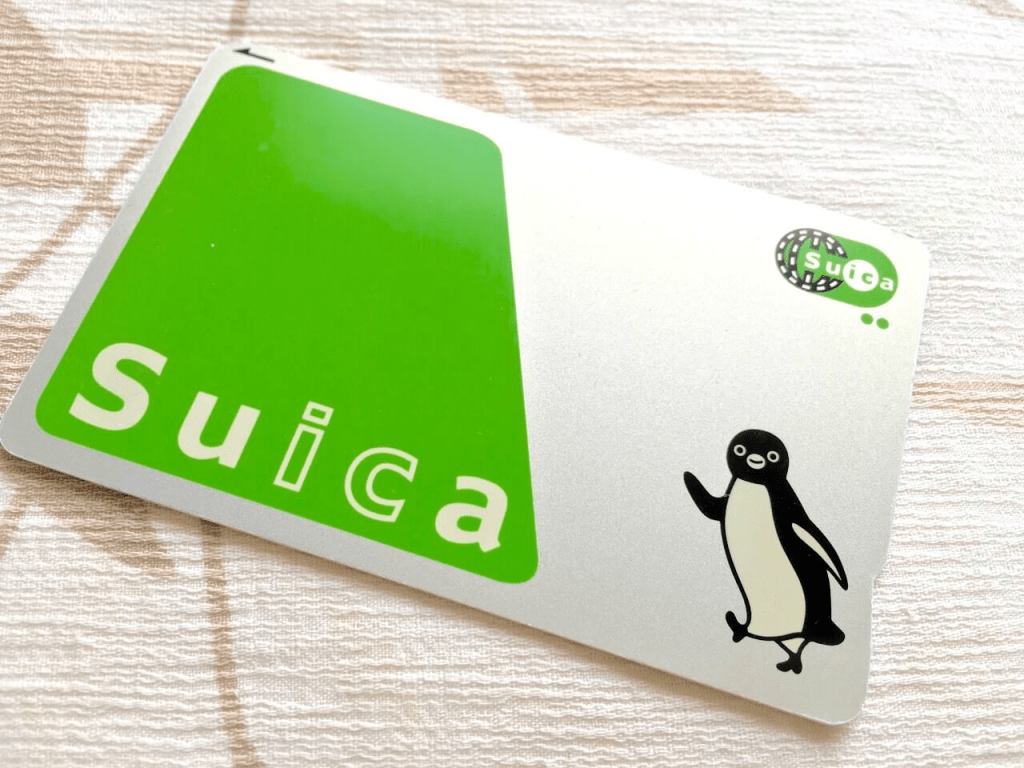
Physical IC card
- can be loaded and used as many times as desired.
- can be loaded up to a maximum of 20,000 yen at Automatic Ticket Vending Machines and Fare Adjustment Machines displaying the Suica mark.
- only yen may be used to load a card. A credit card cannot be used to load a Suica.
Virtual IC Card
Note that you don’t need the physical IC card. For example, to set up a virtual Suica on your iPhone, you need an iPhone 8 or later, and the latest iOS. To activate the card, open the Wallet app and select the Suica profile. If you previously had a physical Suica card, then you can add the remaining amount on that card to your virtual wallet by following the prompts and adding the last few digits of the card. Or you can create a new Suica card on your iPhone. You can choose to pay via Apple Pay or direct from your credit card; the costs are the same. I recharged the virtual card as I go.
It’s worth noting that if you have an iPhone and Apple Watch, you cannot have the same Suica account on both devices. It is possible to switch between devices, though. And it’s important to note that you cannot use the same Suica card to pay for multiple tickets at a time. Each person needs one IC card. Pasmo/Suica is read when touching the IC card reader upon entering and exiting a gate, and the correct fare is deducted from the card. The same card cannot be read entering twice at the same station. So if you travel with children who do not have a phone yet, then you’ll need to get a physical card for them.
Android users can also set up the Suica profile in Google Pay.
Tip: Children under 6 can ride for free, and only 2 children can ride for free per one adult.
Tip: If you travel with kids between ages 6 and 11, then consider getting a Children Suica Card where the rides are half price than of the adults.
Luggage Forwarding
It’s a convenient, cost-effective and reliable way to have your luggage transferred from one place to another so that you can travel light; you don’t have to lug your luggage all around town or to/from the airport, bus or train station. Or if you want to do day trips in between destinations after you have checked out of your accommodation and have yet to check in the next, or if you arrive early and are not able to check in the hotel or Airbnb yet, then this service is especially useful. On the train, there is only a shelf above the seats and a small slot for luggage in the deck area. So if you have a lot of big luggages, then it’s a little inconvenient.
Most hotels can arrange luggage forwarding for you. If your hotel doesn’t provide such service, or if you’re not staying at a hotel, then other forwarding services are available. You can also have your luggage transferred from the airport as well. The service company typically can pick up and transfer your luggage from:
- Hotel
- Home/Airbnb
- Convenience store
- The company’s office
For example, Yamato Transport can provide forwarding within Japan. Please visit their website for more information on the pickup and delivery service. It is possible to forward luggage within the city and also to a different city. Typically, the service can transfer the luggage within the day if it’s in the same city. If forwarding to another city, then it can be delivered the next day, or any day you specify.
Luggage Storage
Some hotels can store the luggage for you after you have checked out. If this is not available or if you stayed at an Airbnb, there are many luggage storage options:
- Lockers at train stations or airports
- Luggage storage service at airports
- Luggage hold service companies
- Tourist Information Centers
- Ecbo Cloak Service provides other means of storing your luggage. This service coordinates with places like cafes, guesthouses, post-offices, etc. that can hold the luggage for you.
Convenience Stores
The 7-Eleven convenience stores in Japan take the meaning of convenience stores up to a different level. The storefronts in Japan and the US look almost identical, but the convenience stores are vastly different on the inside. 7-Eleven is open 24 hours a day, 365 days a year, providing ATM and offering a wide variety of foods, drinks, cosmetics, toiletries and goods. And by food, I don’t mean like bags of chips and soft drinks. They offer an array of fresh and packaged food from hot snacks, sandwiches, to prepackaged lunch boxes (if you want to try the famous egg sandwich, then it is available at the 7-Eleven!!) There’s food for breakfast, lunch and dinner! During our visit, most of our lunches were purchased at the 7-Eleven, to be honest, because it’s affordable and convenient, especially during the day when we were always on the go. The ATM machines have many language settings and allow you to withdraw Japanese Yen with your credit or debit card. You can also exchange foreign currency into Japanese Yen from the Money Exchange machine as well; no ID or passport is required. There is also a tax-free services available. Some are even equipped with printers, copiers, and fax machines. You can find a 7-Eleven every few blocks, it seems. Super convenient!!
Stay Connected
To stay connected, you can either rent a pocket wifi or get a travel SIM. We personally rented the pocket wifi so the entire group can use. Plus, SIM cards usually have slower speeds. Pocket wifi can be rented at the airport. There are several options to choose from: Ninja Wifi, Vision Global Wifi, Wi-Ho, Softbank, Japan WiFi, JAL ABC. Each router can typically allow you to connect either 5 or 10 devices simultaneously. Compare service and prices that meet your needs.
Trash
It is very rare to find a public garbage can! Public waste bins and garbage cans were mostly removed from Japanese cities following the 1995 sarin gas attacks on the Tokyo Metro. So what do you do if you have trash?! You carry it with you and dispose it properly when you get back home/hotel. As I was waiting for my train, I observed some students and noticed that they each carry a bag in their backpack to store the trash. Of course if you’re at a public facilities, then there’s always a restroom! If you are not going back to your accommodation any time soon, and just don’t want to carry trash around with you, then find a convenience store – they typically have a small bin for you to dispose trash. At home (or Airbnb), there’s a proper way to dispose the trash. They have separate bins for trash, recycle, compose, etc. and how each should be handled before putting in the bins.
Most of us from the west used to having garbage bins in public areas may find this inconvenient. But the Japanese are so disciplined that their public areas look almost spotless even without having the garbage bins. On the plus side, there is no unsightly trash cans everywhere and there is no odor.
The People
It is no surprise that Japanese people are very respectable people. They are hardworking, very disciplined and courteous. However, they may appear unfriendly if you don’t understand their culture. For example, people just do not talk on the train (or any public transportation). Literally, no one talks to anyone!! They either read, play game on their phone, students do homework, quietly listen to music on their headset or just simply stay quiet. So even if the train is super crowded, there is hardly any sound; it is not noisy or chaotic as you would imagine! So even for train stations as large as Shinjuku mentioned above, it is always very busy but in order.
On the public transportations, there are signs, but this goes without saying… seats are generally yielded for the elderly and physically disabled and pregnant passengers – and I actually see this act being carried out while riding a bus. As an American, I thought kids would also fit into this category, but not in Japan! I think this is the way they are disciplined, and I think it makes sense: they are training kids to become very capable people (the same way little kids need to wash their own dishes and clean up at school, etc. In the U.S., kids just dispose the trash from the tray, and then the cafeteria staff does the washing.) Kids who are not disabled and in good health should be able to withstand a train ride without sitting just like other people.
I think it’s worth mentioning the above aspects about the people in Japan because I have seen tourists being frustrated or think that the people there are unfriendly because they lack this understanding.
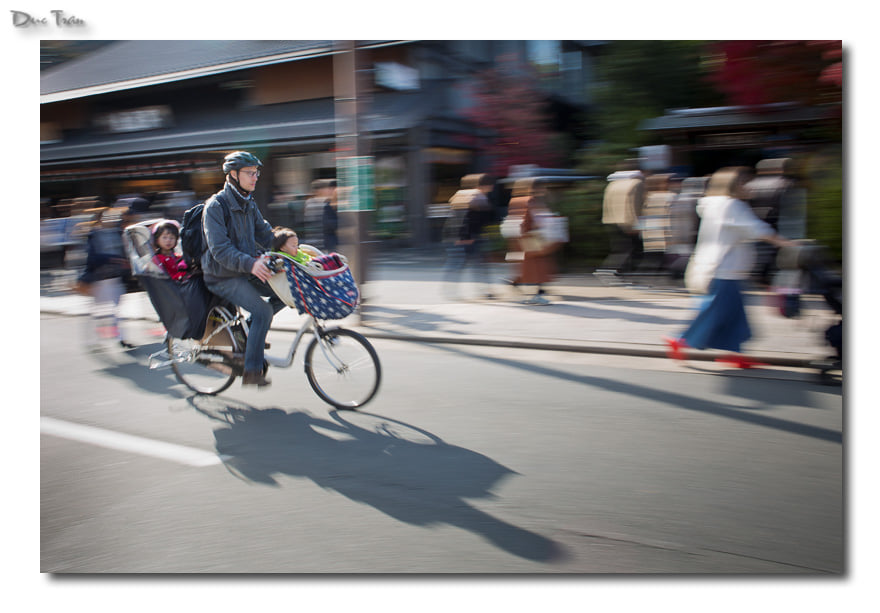
Highlighted in this article are some information that I believe could be helpful as you plan for your trip to Japan. I believe that being prepared helps to prevent the culture shock (even though I think any of us would be if visiting for the first time) and makes your trip more comfortable and enjoyable. This may not be the complete guide, but I hope to be of some help to you! Until next time, Sayonara!


 Making Memories
Leave a reply to Tokyo: A juxtapose of modernity and tradition – Making Memories Cancel reply