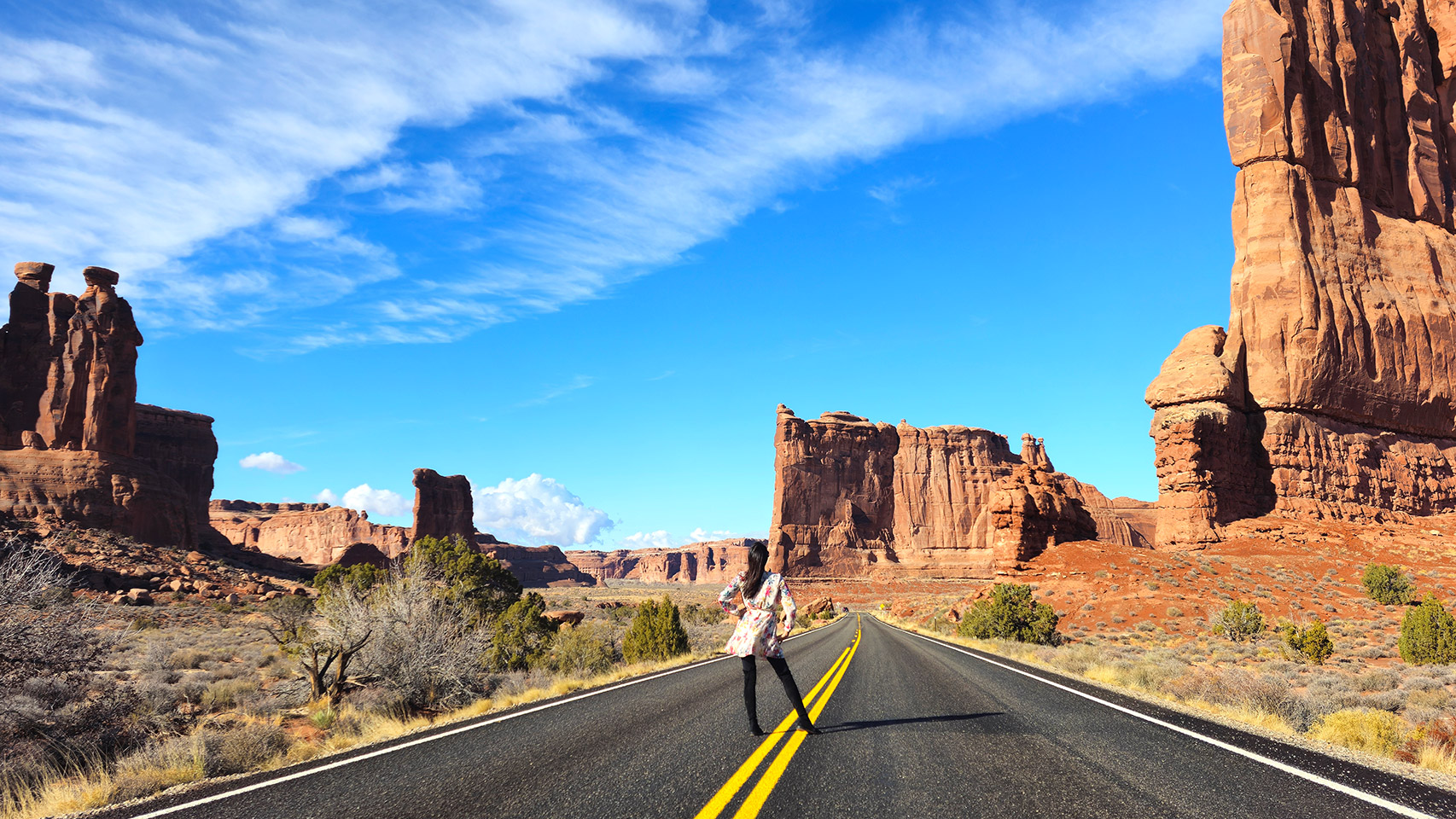

Previously part of Yugoslavia, Croatia saw a rise in tourism since it broke away from Yugoslavia, and especially thrived after year 2000. Today, it is the most visited tourist destinations in the Mediterranean region, with tourism concentrated along the Adriatic coast. Exponentially, Croatian tourism boomed after the airing of “Games of Thrones“.
If you haven’t read my post on the First glimpse of Croatia, then jump over and have a read all-you-need-to know about this beautiful and friendly country. After learning the general information about Croatia, the next question would be “What is there to do/see in Croatia?” Whether you’re a do-it-all traveler or one who likes to slow down and smell the ocean breeze or take your time strolling through the cobblestoned alleys; whether you’re a nature lover or a culture/history enthusiast, Croatia has something to both spark your enthusiasm or calm your soul.
Where to visit
If you’re a “Game of Thrones” fanatic, then Dubrovnik can’t be missed. The majority of the show was filmed here, which was used as the capital city of Westeros, King’s Landing. Dubrovnik is called “Pearl of the Adriatic” as its Radiant marble buildings gleam in the sun, sparkle in the tip of the Dalmatian Coast by the Adriatic Sea.
We did a road-trip through the coastal cities, and Dubrovnik was too south from the other places we wanted to visit, so we skipped it.
Zagreb is the capital and the largest city in Croatia. It should be included if you have enough time. It is distinguished by its 18th- and 19th-century Austro-Hungarian architecture. It is full of history and as with any other big cities, filled with coffee shops and eateries. Zagreb has a main train station that connects to other large Croatian cities and also to other nearby countries. Since it is far from the coast, we also opted out from visiting Zagreb.
Our road-trip through Croatia begins in Split, and passed by Sibenik, Zadar, and Rijeka.
Split
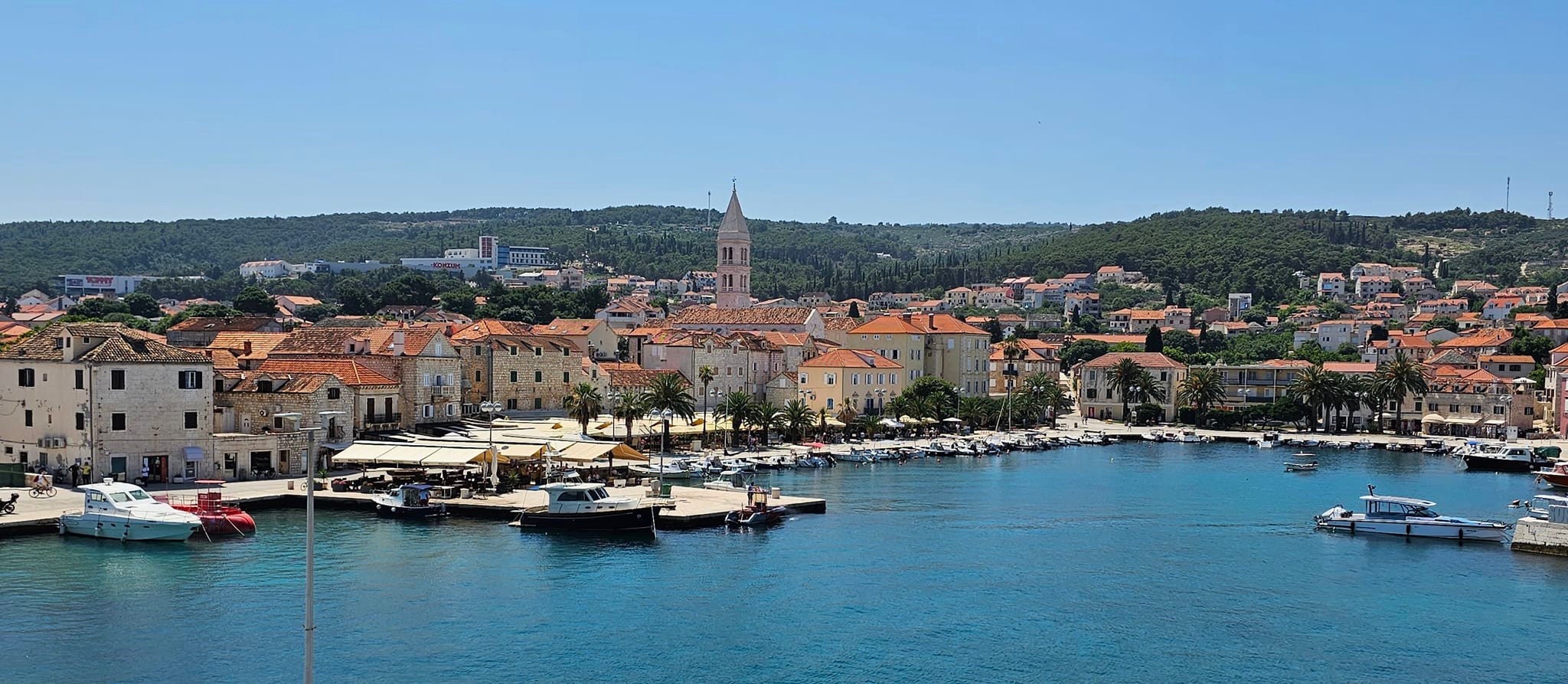
Split is the second-largest city in Croatia, after Zagreb. We stayed in Split Old Town, and our arrival at night was quite memorial. Read about it when I shared my experiences as I go Off to see the world…! Split’s Old Town is a lovely, pedestrian-friendly area. It’s unique as you will find medieval cobblestone streets that are lined with modern restaurants, bars, and shops. As with many European old towns, getting lost in the maze of alleyways is a lovely way to spend your day: stroll through the shops, have dinner by the marina, and the day is never complete without a delicious gelato, regardless of the weather!
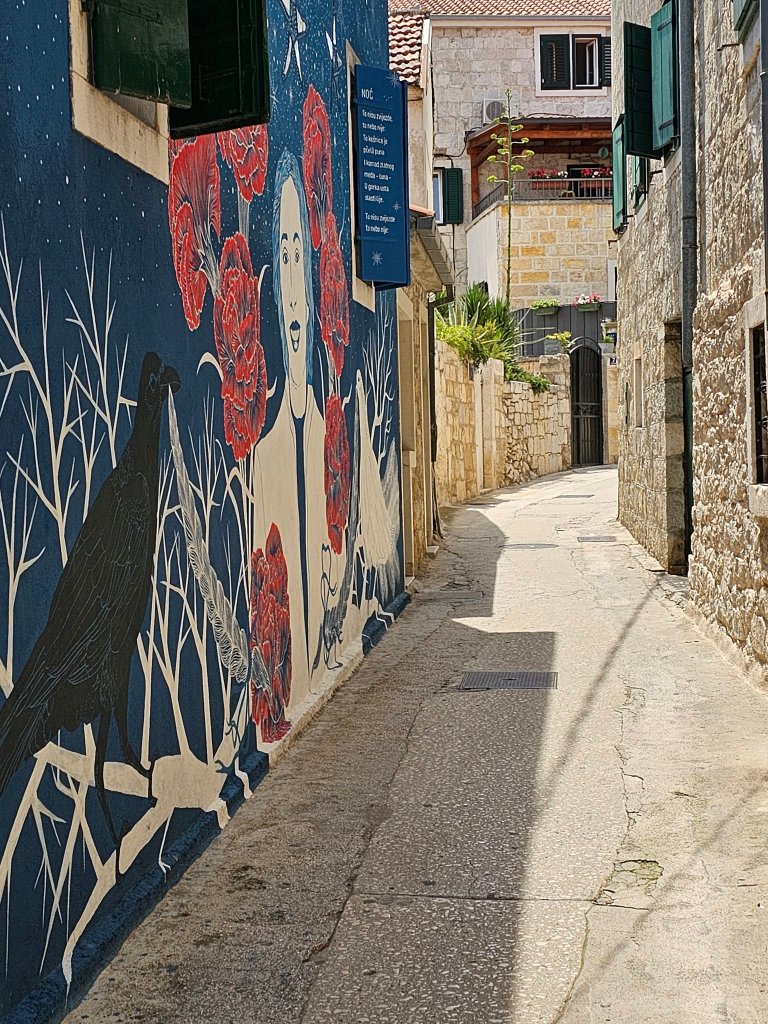
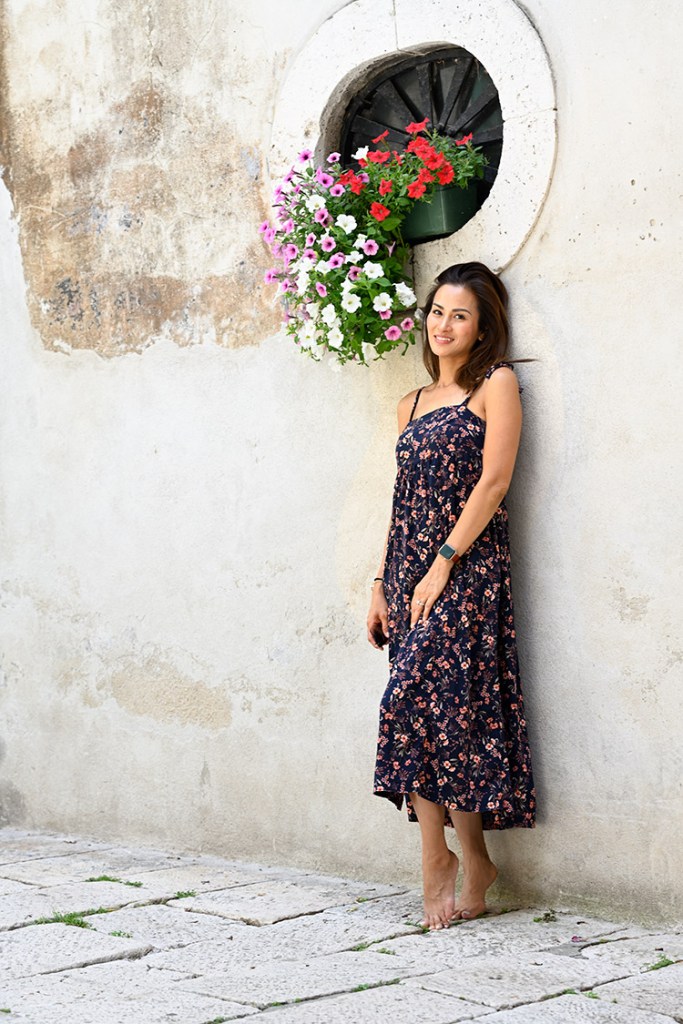
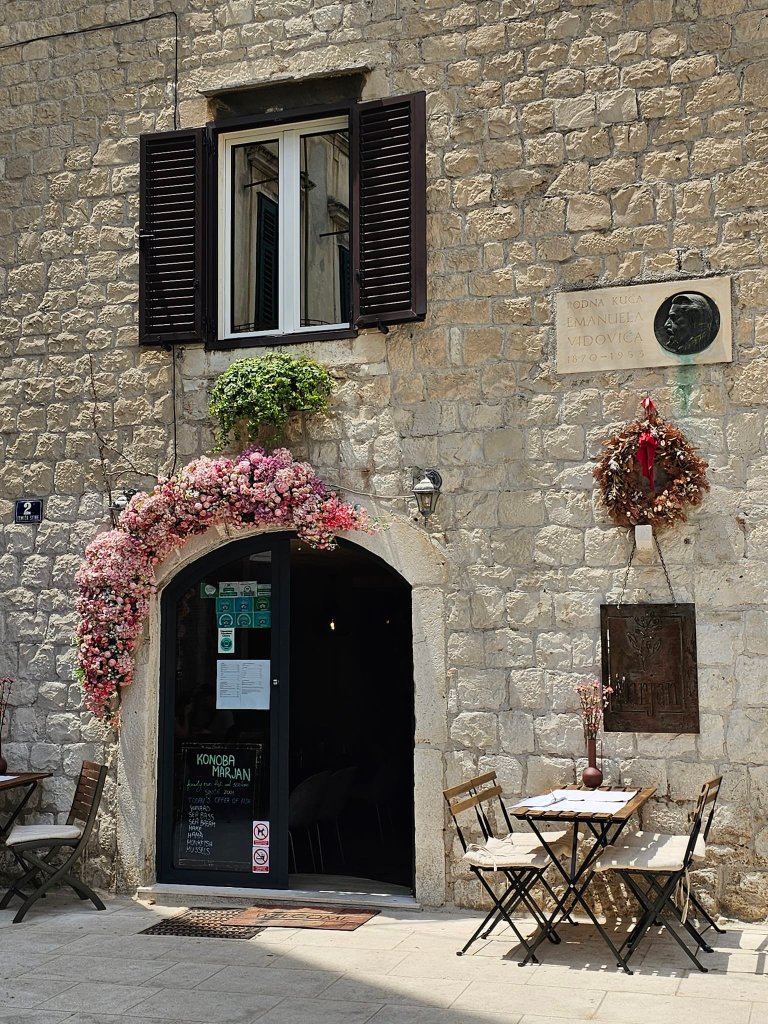
Most of Split‘s best sights worth seeing are free:
- Diocletian’s Palace was built in the 4th century as a fortress. It is open to the public. Peristyle of Diocletian’s Palace is a vibrant public square filled with restaurants and shops that comes alive at night with live music.
- Klis Fortress is a must-see for “Game of Thrones” fans. The fortress was filmed in season 4, served as Meereen where Daenerys Targaryen crucified evil slave masters. Note that there are some parts that are not barricaded, so may not be safe for children to visit.
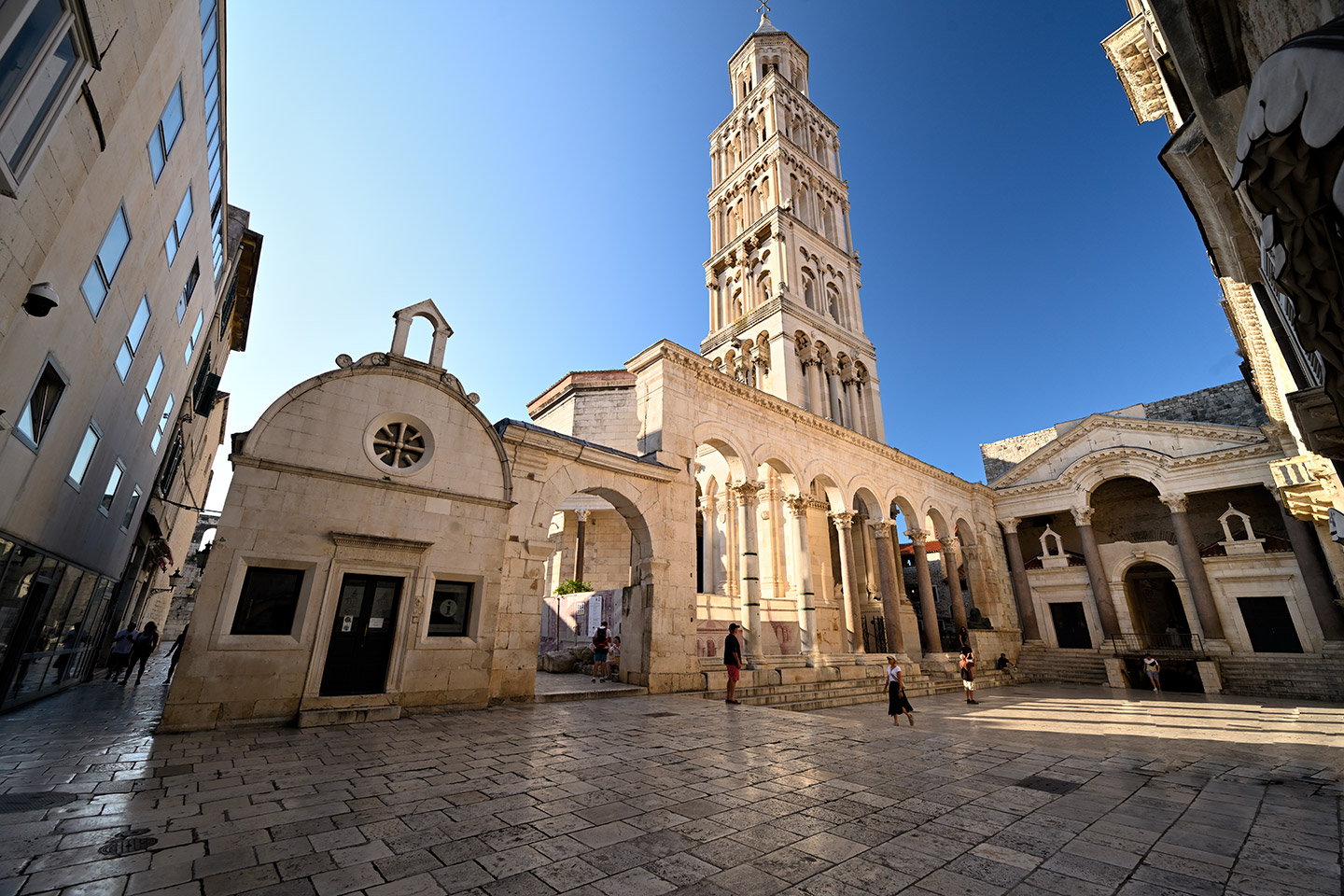
- Cathedral of St. Domnius was built as a mausoleum of Diocletian. It is considered to be the most well-preserved examples of Roman architectures. It provides a magnificent view of old town from the bell tower.
- Marjan Forest Park is a favorite among locals for hiking, rock climbing, biking and swimming. It’s a pine forest interspersed with small stone churches, lookouts and old cave dwellings. To reach the park’s highest point, travelers will need to ascend 300 stairs. The summit offers a panoramic view of Split and its surroundings.
Split is also a great waterway to the famous Croatian islands.
Šibenik
Šibenik is a hidden gem that resembles Dubrovnik, minus the crowd. Nestled in a sea inlet between Split and Zadar, Šibenik is contains gorgeous Venetian style architecture, beautiful churches, great restaurants, and fantastic view of the Adriatic Sea. While we enjoyed the aforementioned things that Šibenik offers, Krka national park was our main reason to stop by Šibenik.
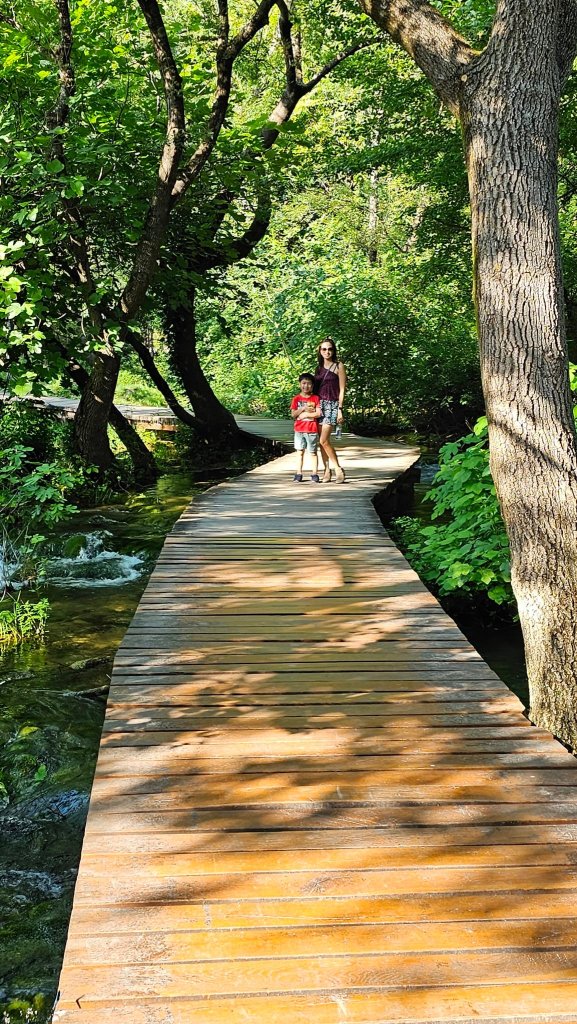
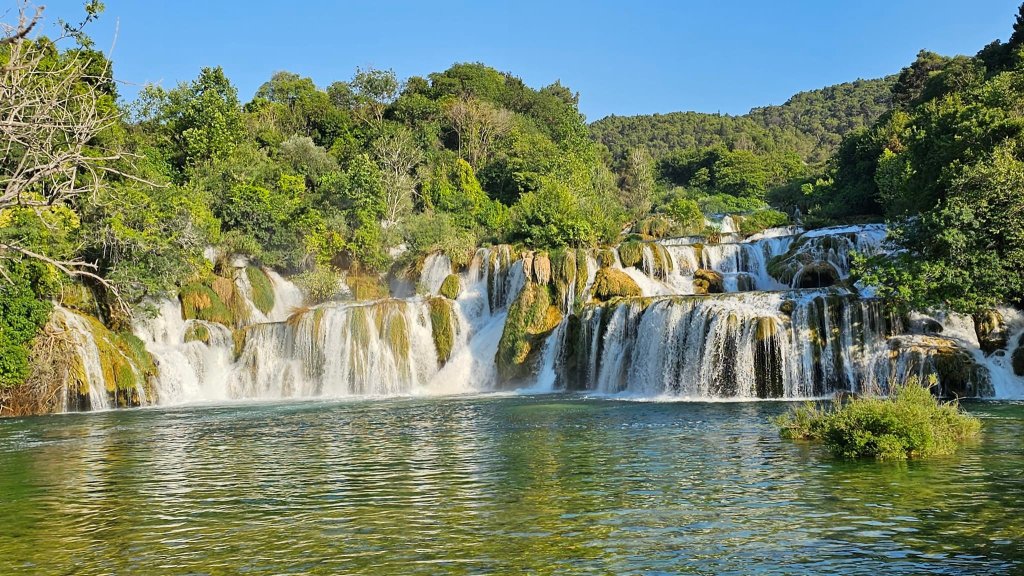
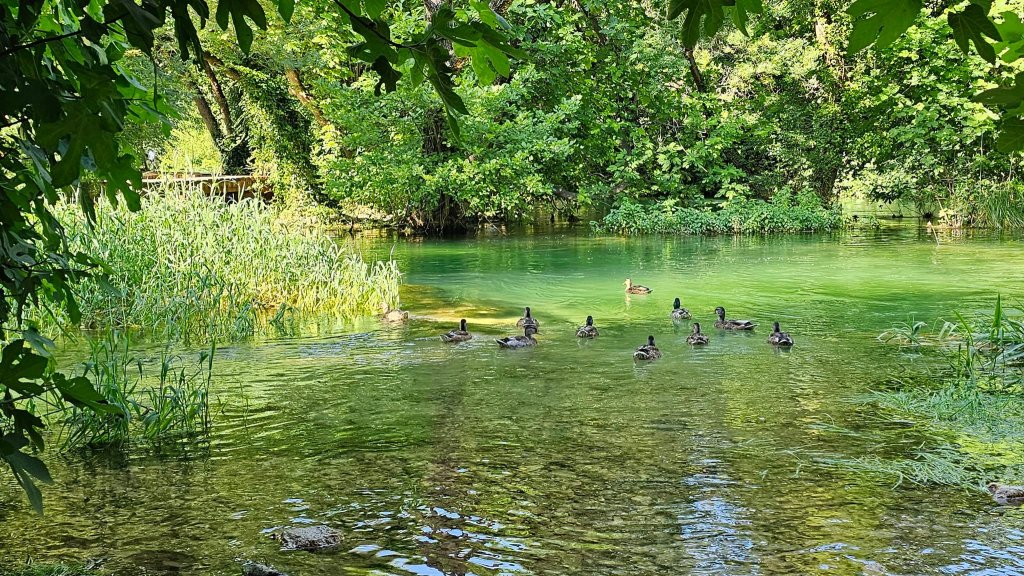
Krka National Park is situated along the Krka River in southern Croatia, and is known for a series of 7 waterfalls. The solid wooden boardwalk throughout the national park makes the stroll easy for visitors of all ages and physique. The 2 most famou waterfalls are the Skradinski Buk waterfall in the south of the national park and the Roški Slap in the north.
Since 2021, swimming is only permitted in designated areas of the park at Roški Slap, Stinice, and Pisak from June to the end of September, depending on the weather condition and water levels. However, note that you swim at your own risk.
With lush greenery surrounding the waterfalls, the views are breathtaking and ideal for hiking as well as other activities like zip-lining, water rafting and kayaking.
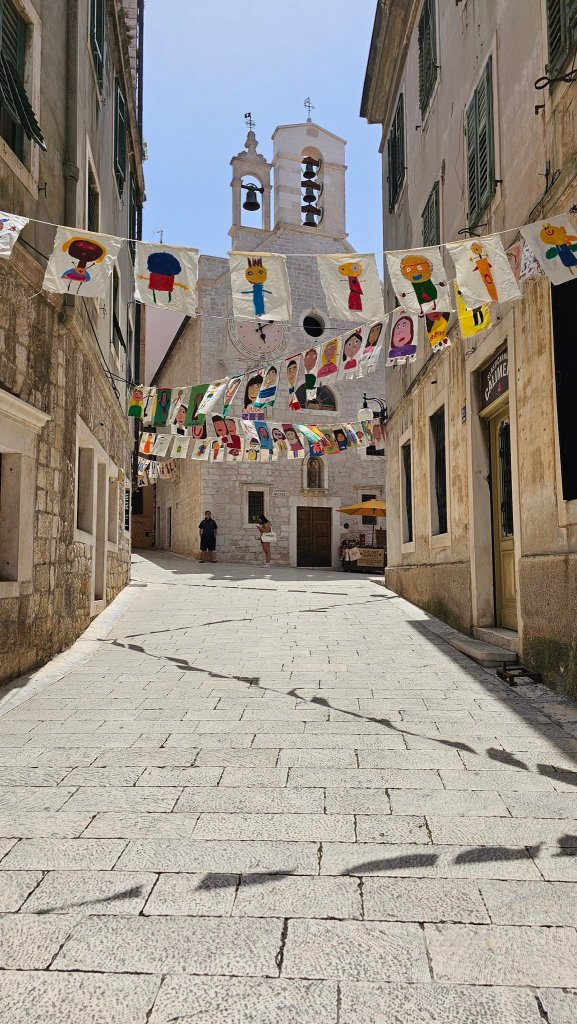
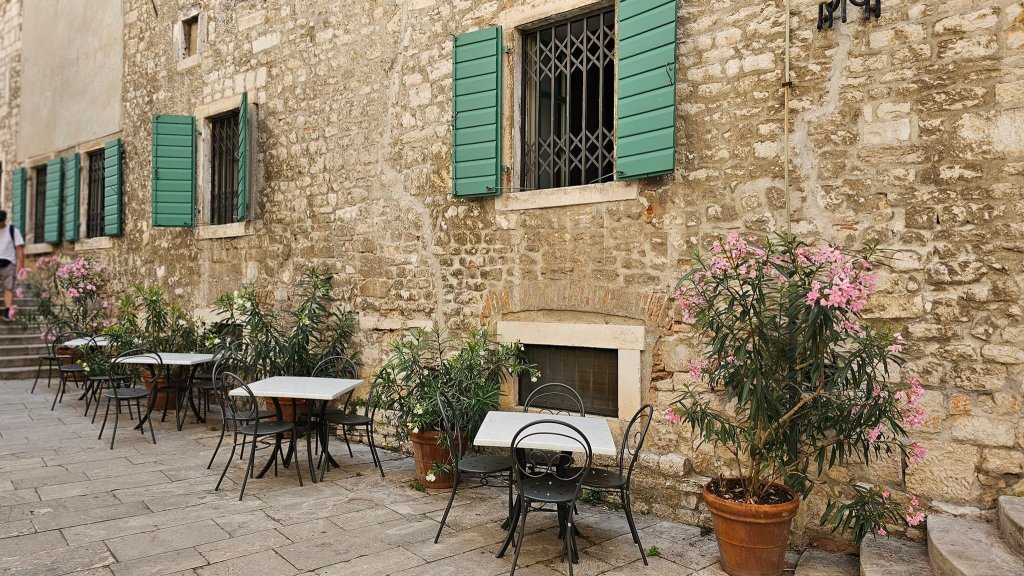
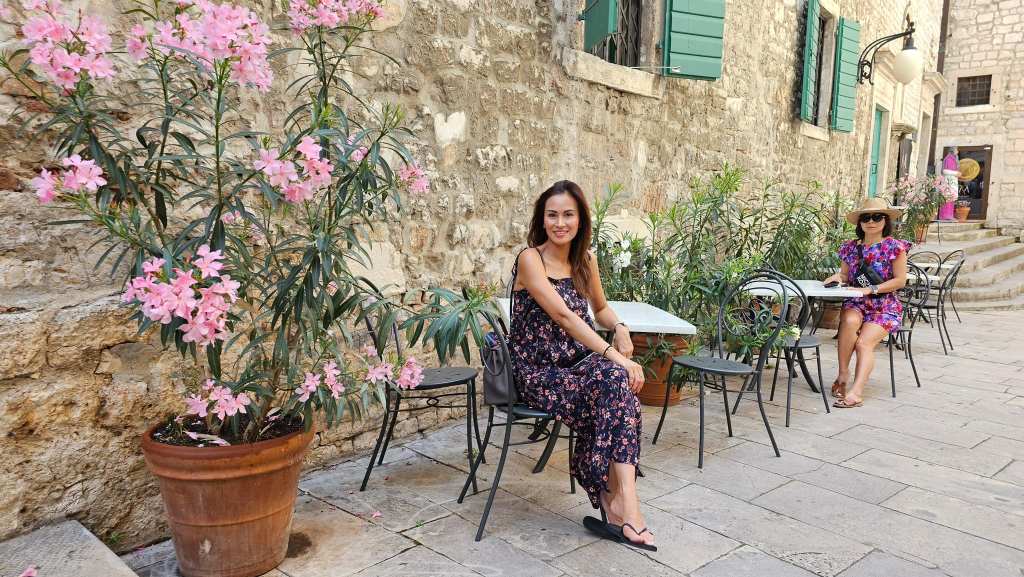
Old town Šibenik is most famous for the sacral buildings such as the Cathedral of St. James, palaces and houses of noblemen and commoners, portals, vaulted streets and of course the central city square – Square of the Republic of Croatia.
The Square of the Republic of Croatia, known as “Plathea Comunis”, is the most important public area of the Šibenik municipality. For centuries, this square was the center of public social life, surrounded by the Cathedral of St. James, the Bishop’s Palace, the Civic Loggia (the City Hall) and Small Loggia (City Guard Loggia) and the Prince’s Palace.
If you are a fan of the Renaissance architecture and Gothic styles, then the sacral buildings can offer you a glimpse of the medieval charms. I personally love the labyrinthine streets lined with terrace restaurants, small boutiques and souvenir shops.
Zadar
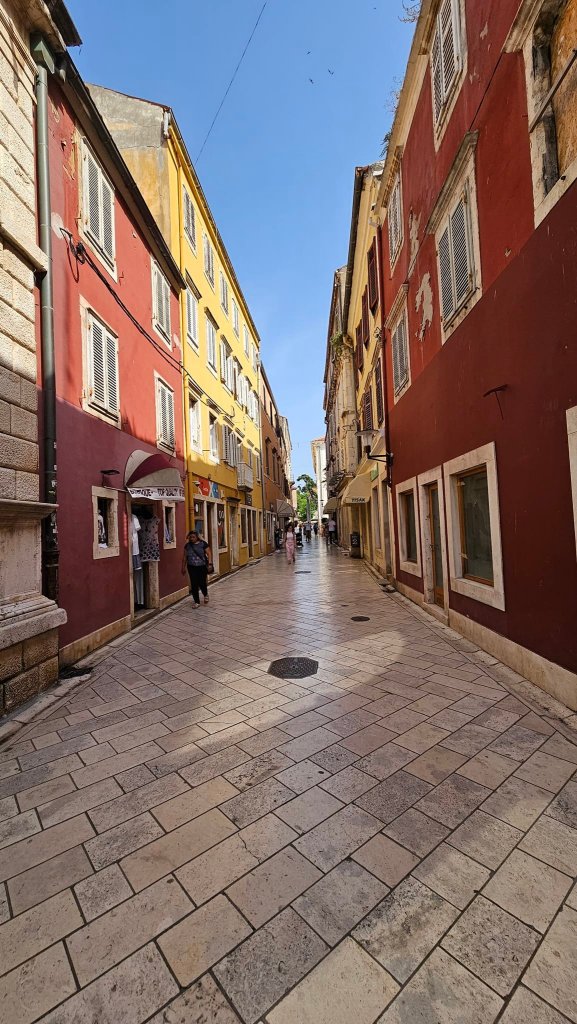
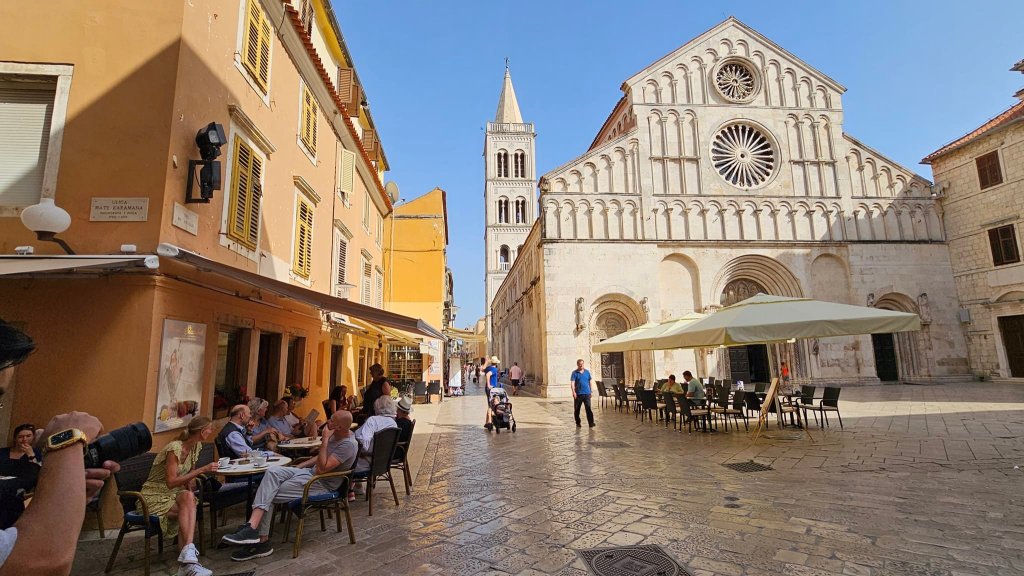
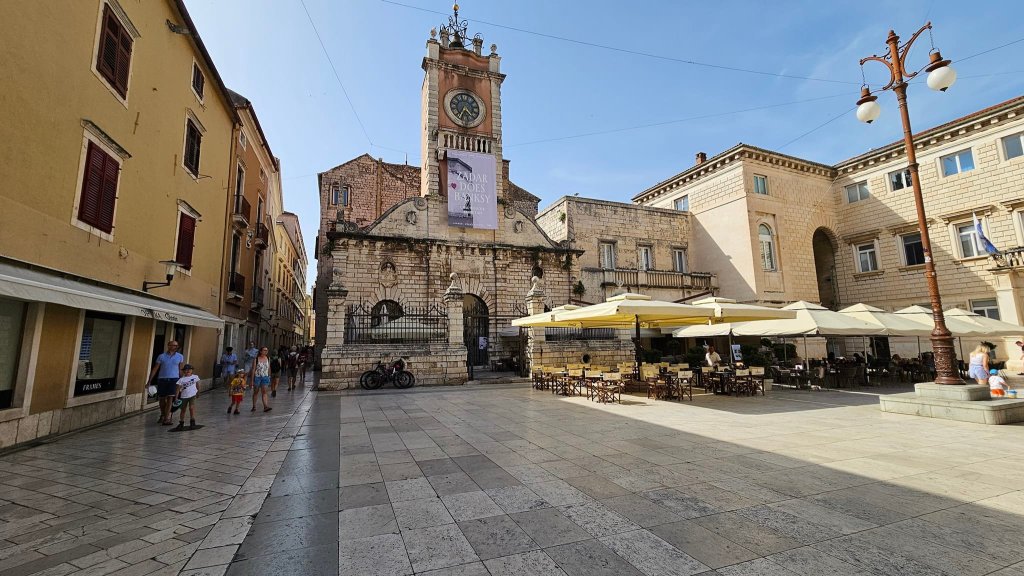
A visit to Croatia is not complete without a visit to Plitvice Lakes National Park! From Šibenik, we drove to Zadar only with this on the itinerary! As the oldest and largest national park in Croatia, Plitvice is situated in the mountainous region of Croatia and is known for lush valley of 16 terraced lakes, laced together by spectacular waterfalls and cascades. The scenery is simply breathtaking!
Considered to be one of the most stunning attractions in Croatia, day-trip tours to Plitvice are often sold-out during peak season (July to September). If possible, I recommend booking accommodation inside the park to give you better accessibility to the park.
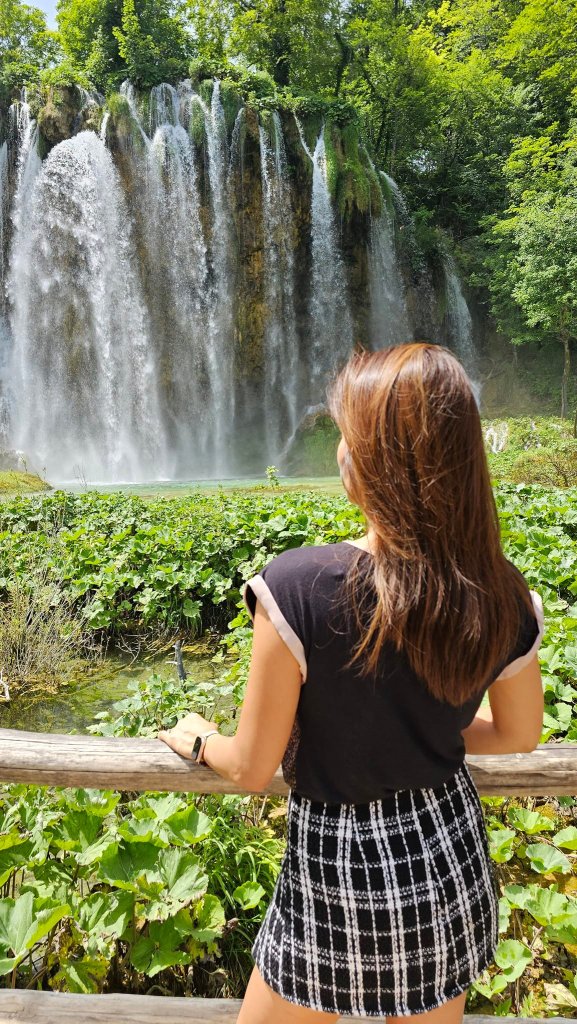
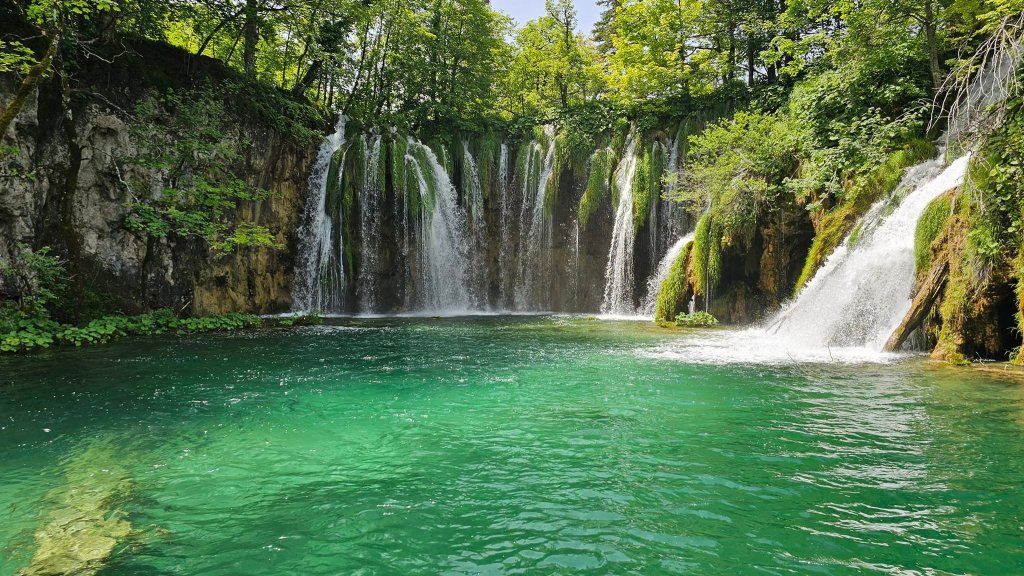
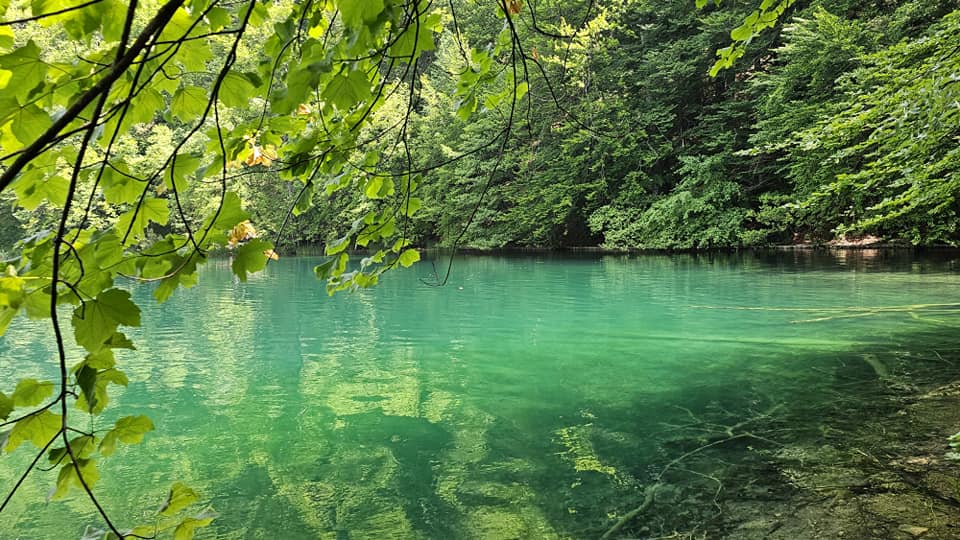
There are 2 main entrances to the park. Entrance 1 gives the easiest access to the lower lakes while Entrance 2 leads to the upper lakes. There are many hiking trails in the park; we took H route, which is the trail that takes you to the park’s main sights. The route includes a shuttle bus, ferry ride and hiking. Phone signal is very spotty in the park, consider bringing a walkie-talkie as a better mean of communication.
Unlike Krka, swimming is prohibited in Plitvice. However, swimming and kayaking is allowed in the Mreznica River, which is near the Plitvice Lakes.
Rijeka
A historic city with a lively nightlife, Baroque architecture, is worthy a visit. If you visit in February, Rijeka hosts the wildest carnival in Croatia with floats, masqueraders, and lively music . The main carnival march is held on the last Sunday before Ash Wednesday and over 100,000 people squeeze into the city to watch the spectacle.
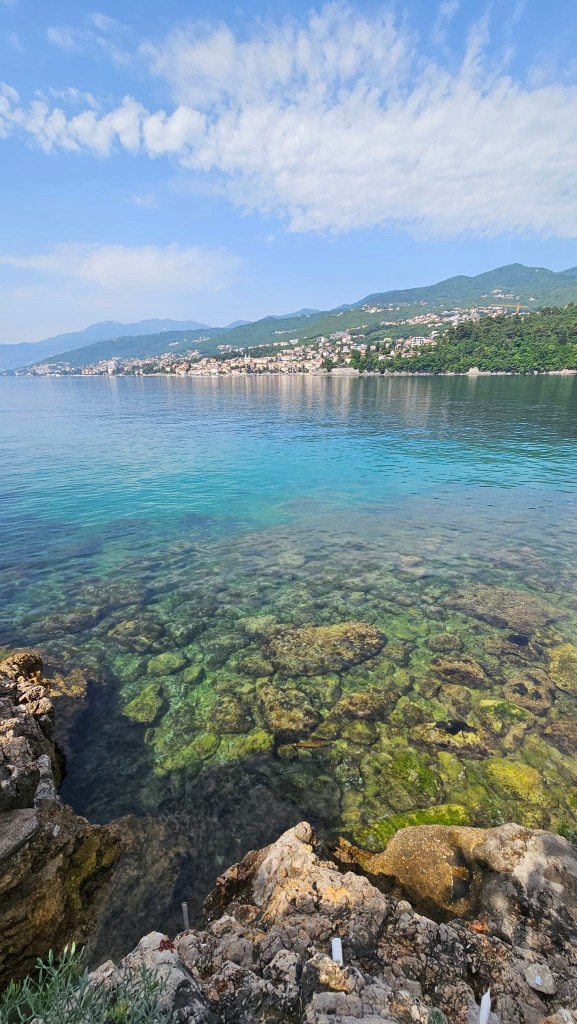
The 3rd largest city in Croatia, Rijeka is next to the Adriatic Sea. It is a gateway to Croatia’s dazzling coast with a wide selection of ferries to the beautiful collection of islands along the Dalmatian Coast. Rijeka also has very nice small beaches with clear waters and rocky shores.
We only had a one-day stop-over in Rijeka on our drive to Italy.
Croatian Islands
Did you know that Croatia is called the land of a thousand islands? Literally! There are 1244 islands, islets, cliffs and reefs, making the Croatian archipelago the largest in the Adriatic Sea. However, only 49 islands are permanently inhabited, with Hvar, Brač, Korčula, Vis, and Cres being the most popular among tourists for their history and natural beauty, especially the pristine beaches.
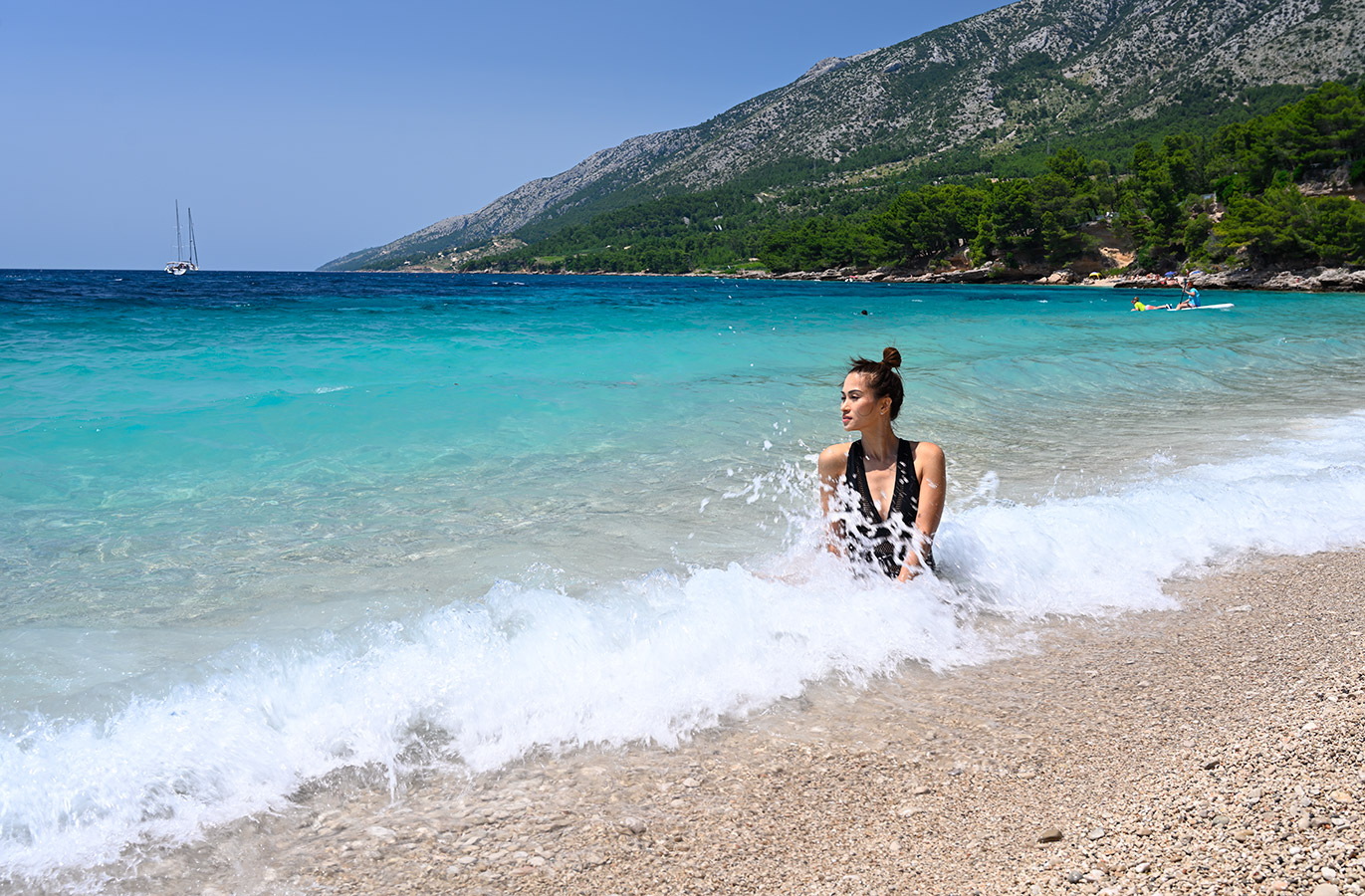
Hvar is considered to be the crown jewel of Dalmatia, famous for its history and beauty and also lively night-life. Since we only did a day-trip to the island, we decided on Brač. We loved the white-pebble Zlatni Rat beach, even though the water was still freezing in mid-June! The beach has all the amenities that you need, chairs and umbrellas and a cluster of eateries, small stalls that sell beach necessities, and a fun small zip-lining court for kids (for a small fee). Note that small food stalls only take cash, and there are convenient ATM machines nearby to serve your need. We spent more than half a day at the beach and loved it!
An additional note worth mentioning is the westernmost edge of the main Zlatni Rat beach is the nudist section. Many beaches in Europe are topless anyway (optional), but I would pay attention not to wander toward that side of the beach if you travel with family!
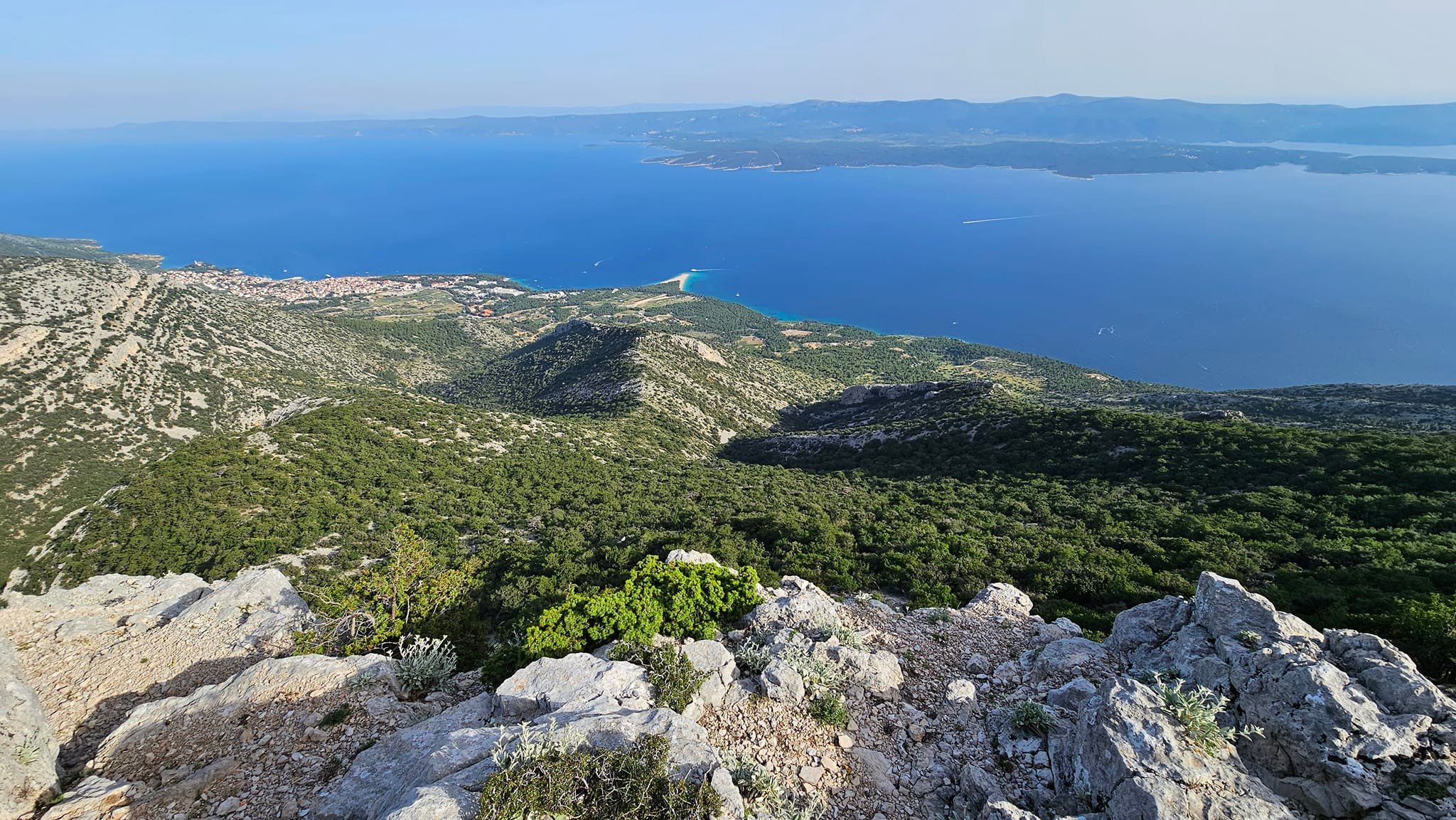
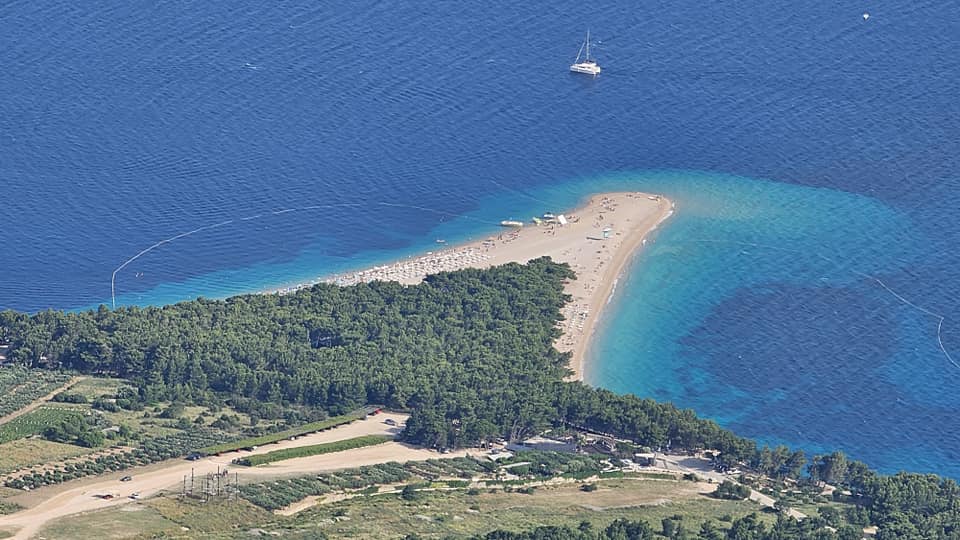
The easy hike to Vidova Gora, the highest point of all Croatian islands gave us an breathtaking view of the coast. We also enjoyed strolling through the town of Bol with small stone houses and winding roads. The ferry from Split allowed us to take the rental car with us, so we were able to explore the island on our own, a day well-spent!
Tips for Visiting the national parks
- There is an admission fee to the national park. Note that there are different price points for infants, children under 7, children ages from 7-18, students, and adults (no special price for seniors). When purchasing the tickets, the agent didn’t ask to show proof of student status or ID.
- Inside the national parks, there are food courts with variety of options. The food is clean and of good quality. The staff speaks English well. Seating is limited, so bring a picnic blanket so you can enjoy your lunch on the lawn instead of having to wait for a table. Tap water is drinkable and refreshing, so no need to purchase bottled water; bring a refillable bottle instead. There are water fountains outside next to the food court, near the restrooms.
- Krka national park is smaller, so you can spend a few hours here. Plitvice Lakes national park is much larger, a full day here is not even enough. We managed to rest a bit on the lawn after lunch before continuing on the H route. The food court is by the lake, so you will find many people picnicking on the lawn while enjoying the scenery and the lovely weather.
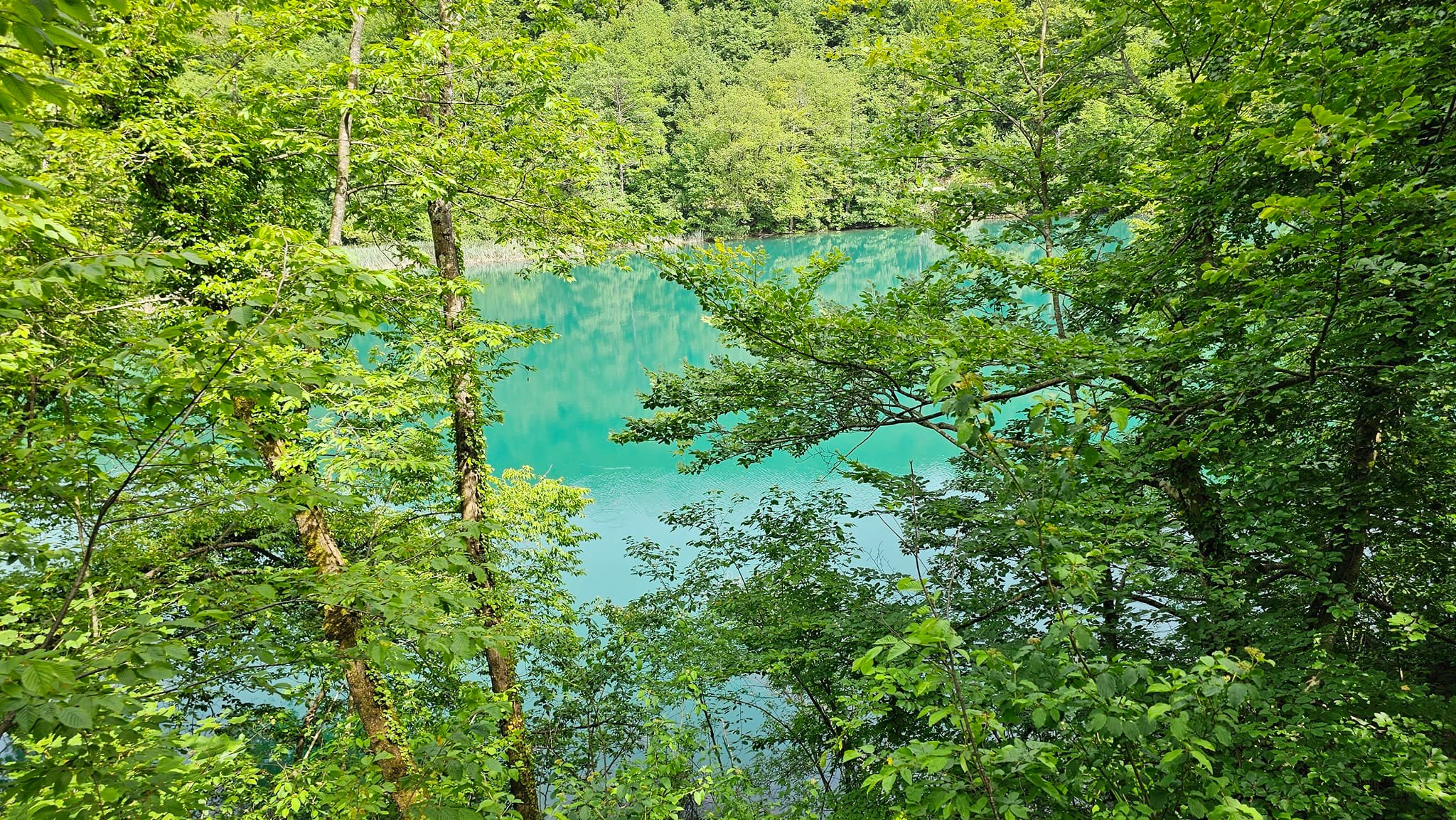
Plitvice Lakes National Park
- The hours of operation for the park vary by season, so be sure to check the time before your visit. Also note the time of the last allowed entry, which is different than the closing time. Staying at the hotel inside the park allows you to visit the park earlier and later than outside guests; this is ideal if you want to beat the crowd or if you’re a photographer wanting to capture the scenery before the park opens.

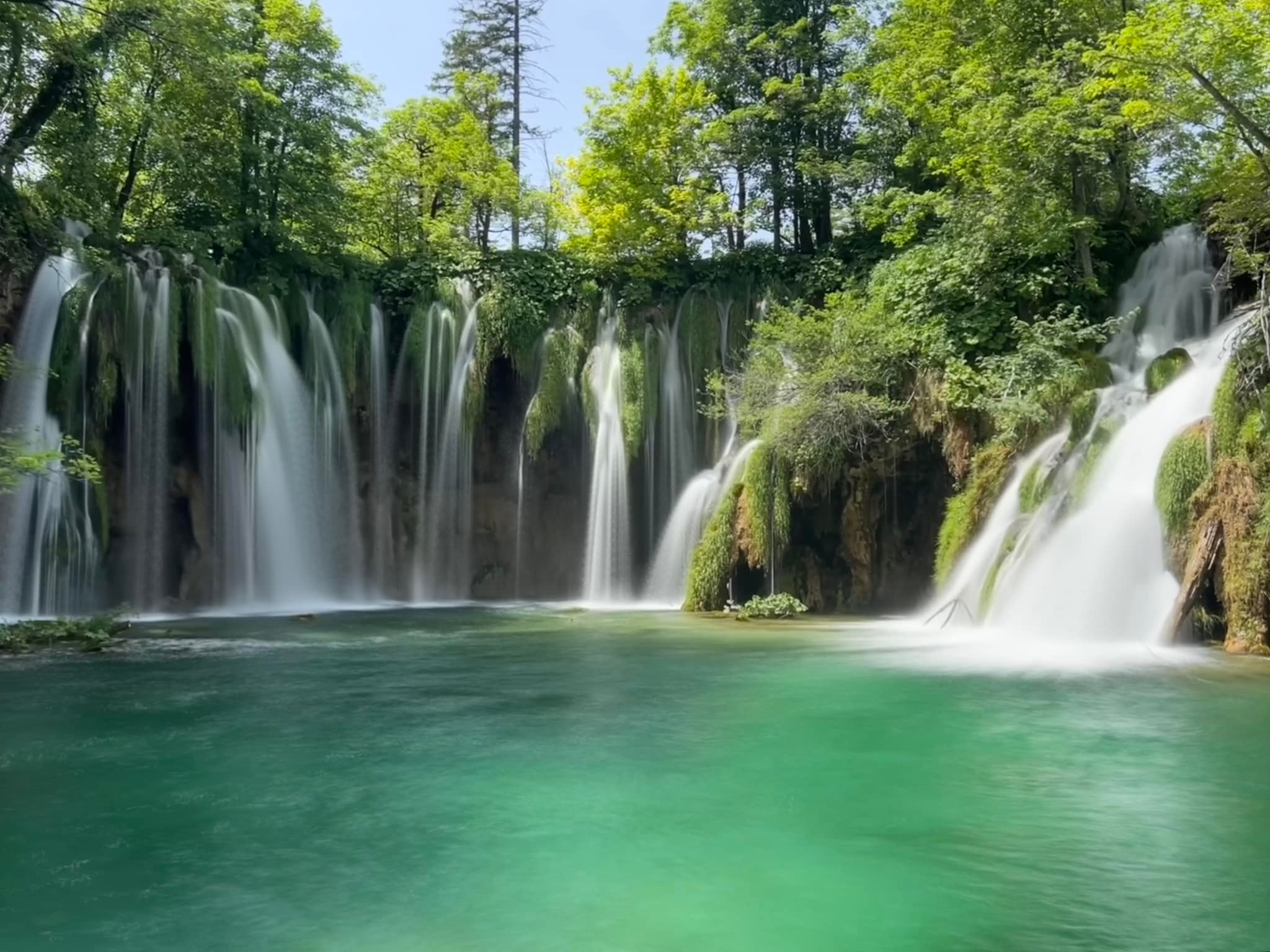
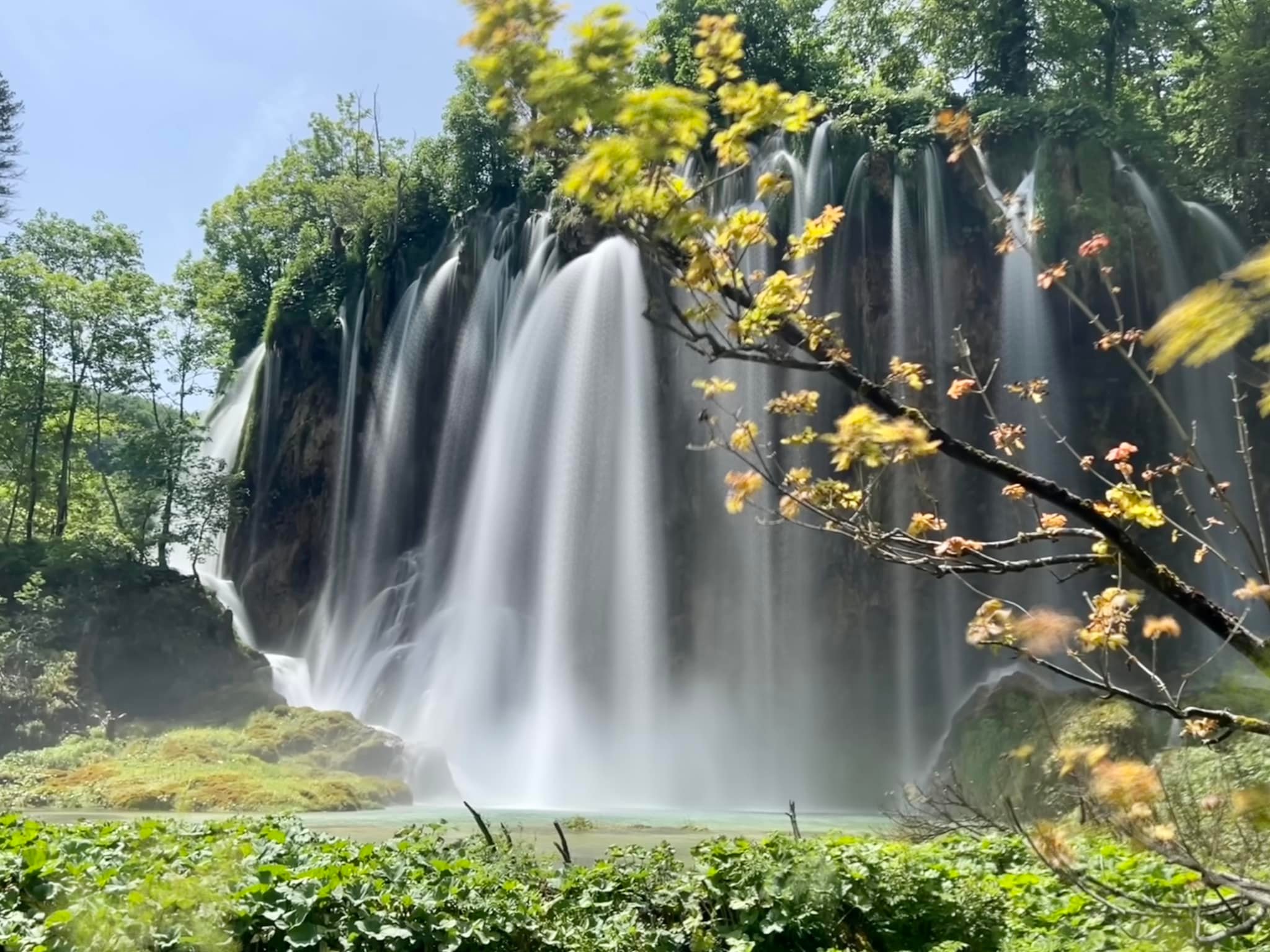
Even though Croatia’s tourism has boomed in recent years, it is still not as popular as other European destinations. It is still a hidden gem waiting to be discovered! The 3 photos above were captured with my phone, serve as a proof of its unmatched natural beauty. No fancy camera or special skills are required, and no photoshop needed. If paradise exists, then this is how I imagine it to be!! Pack up your bag and see for yourself!!
 Making Memories
Leave a comment