Now that you have read my post on Japan: What you need to know before visiting and ready to plan for your trip to the land of the rising sun, what’s next is to plan your itinerary and book your ticket and accommodation. Now the question of the hour: which part of Japan should you visit? The most popular cities to visit for first-timers are Tokyo, Kyoto and Osaka. We didn’t visit Osaka but instead included Nikko and Hakone to our itinerary, but that’s for another post. Today, let’s head to the capital and the most popular city in Japan: Tokyo!
Airport
There are 2 international airports in Tokyo: Narita (NRT) and Haneda (HND). Although there are more flights into/out of Narita, Haneda is the travelers’ favorite due to its closer proximity to downtown.
We chose to arrive and depart from Narita due to its vast flight offerings. With the convenient train ride directly to the airport, it wasn’t a hassle, although extra travel time is needed.
Attractions
The most distinct characteristic of Japanese culture is its ability to seamlessly combine traditional and modern values. The Japanese stresses the importance of traditional values such as discipline and respect, while also highlights its advancement in technology. One must experience both aspects of the culture when visiting.
The Old: Temples & Shrines
In the midst of modernity and busyness, skyscrapers and bright lights are juxtaposed with classic shrines and temples. A visit to Japan isn’t complete if you don’t visit the temples and shrines. There are many visit-worthy temples and shrines, but of course we can’t visit all of them! So here a few that we visited:
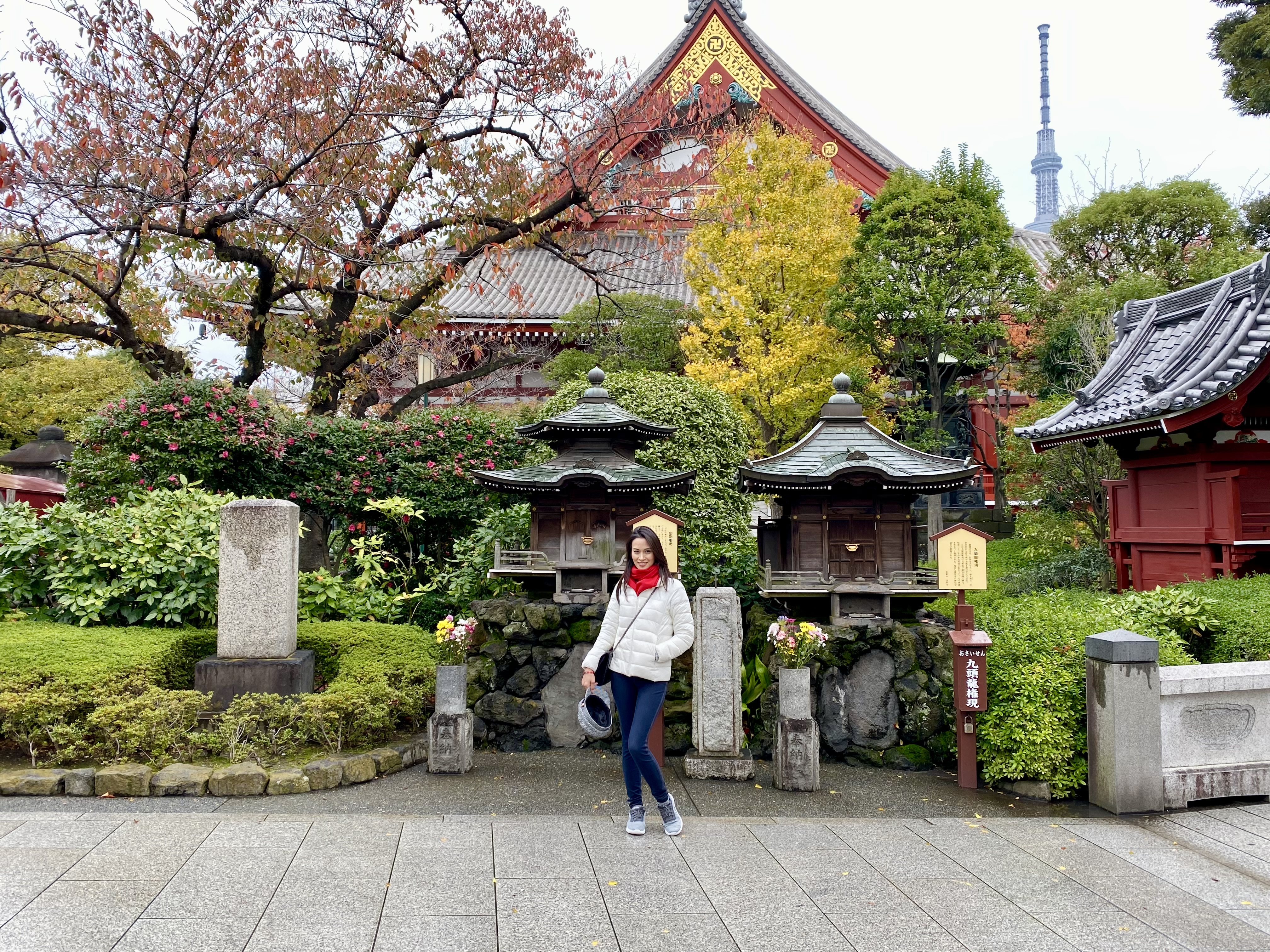
Senso-ji Temple
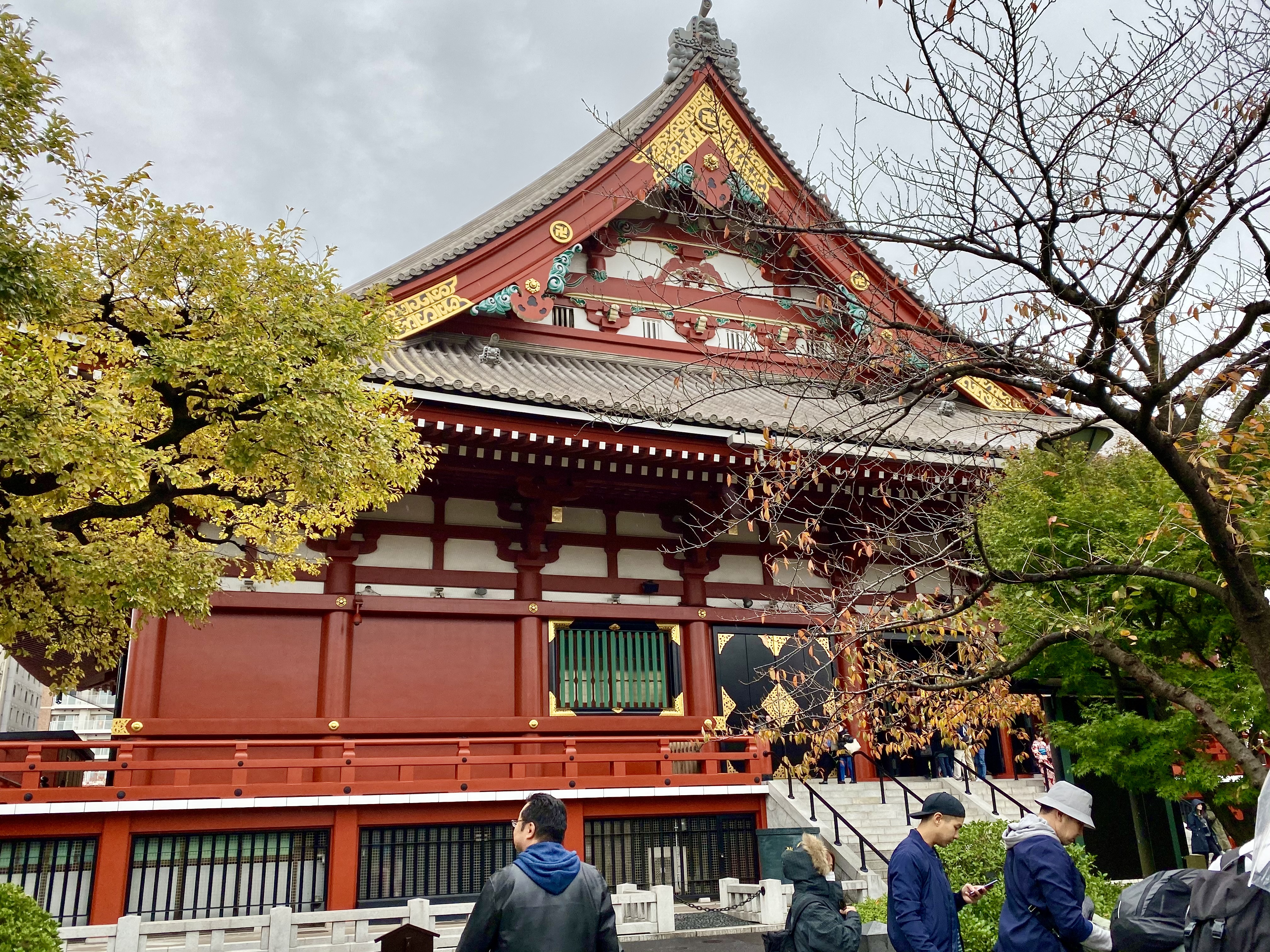
One of the most visited temple in Tokyo is this ancient Buddhist temple in Asakusa. It is also the oldest-established temple in Tokyo. (I’m not sharing photo of the front side of temple since there were too many people in the photo!)

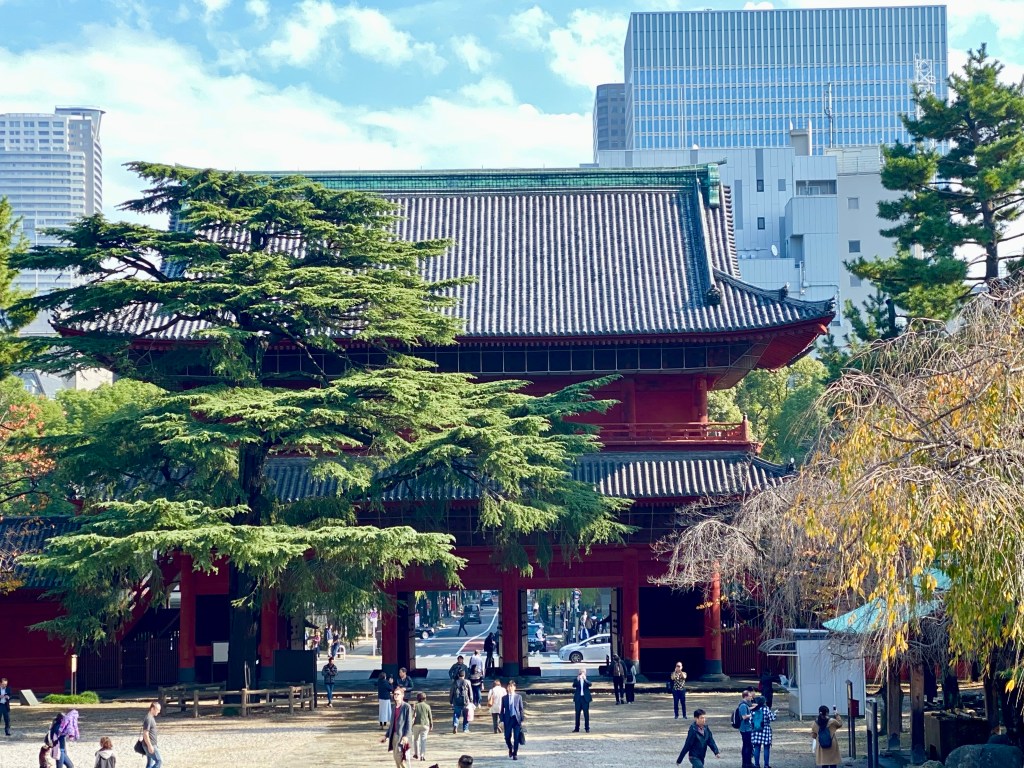
Zojo-ji Temple
Located next to the Tokyo Tower, Zozo-ji is another Buddhist temple belonging to the Jodo sect in the Kanto region. It is a resting place of many figures of huge historical importance.
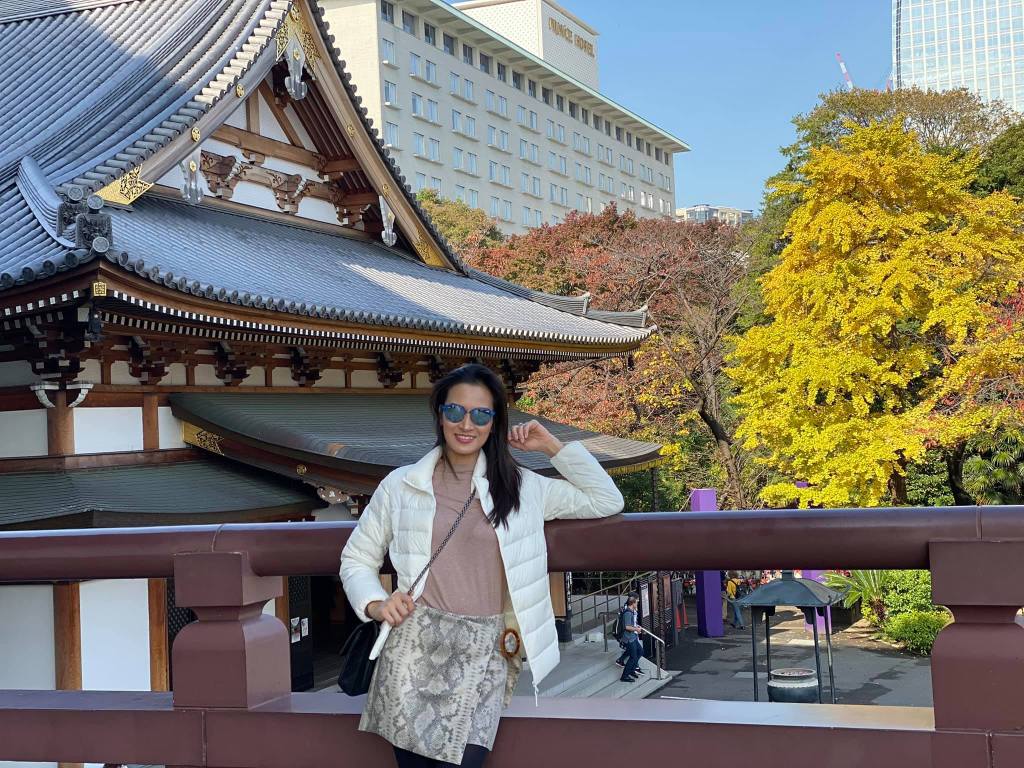
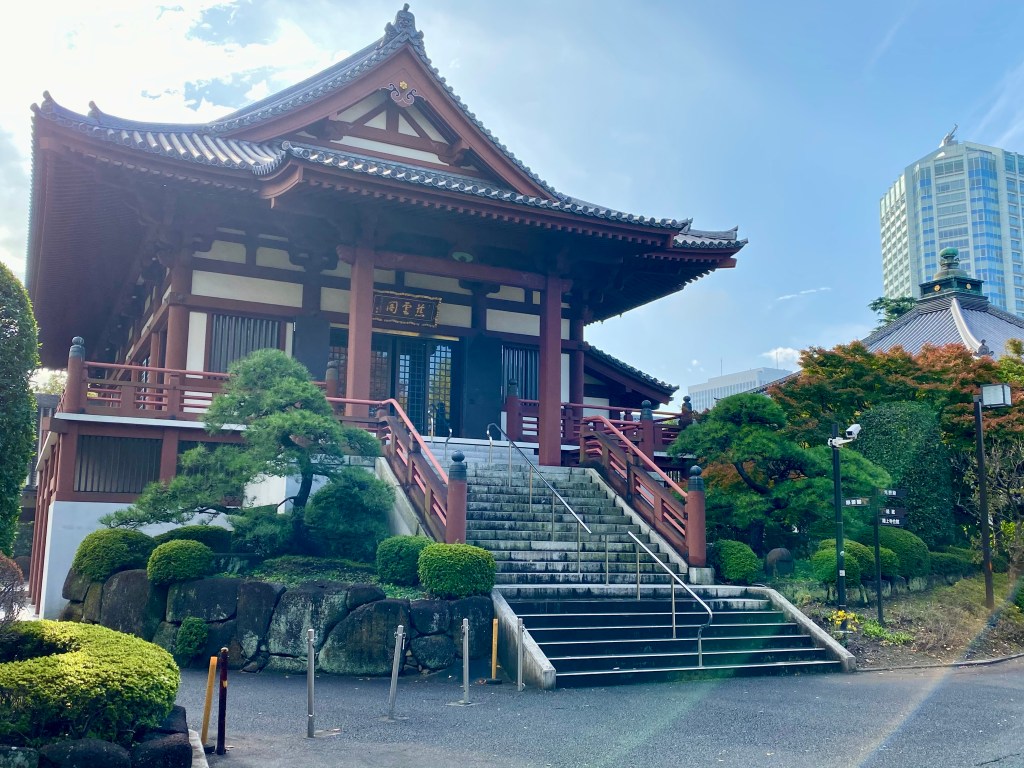
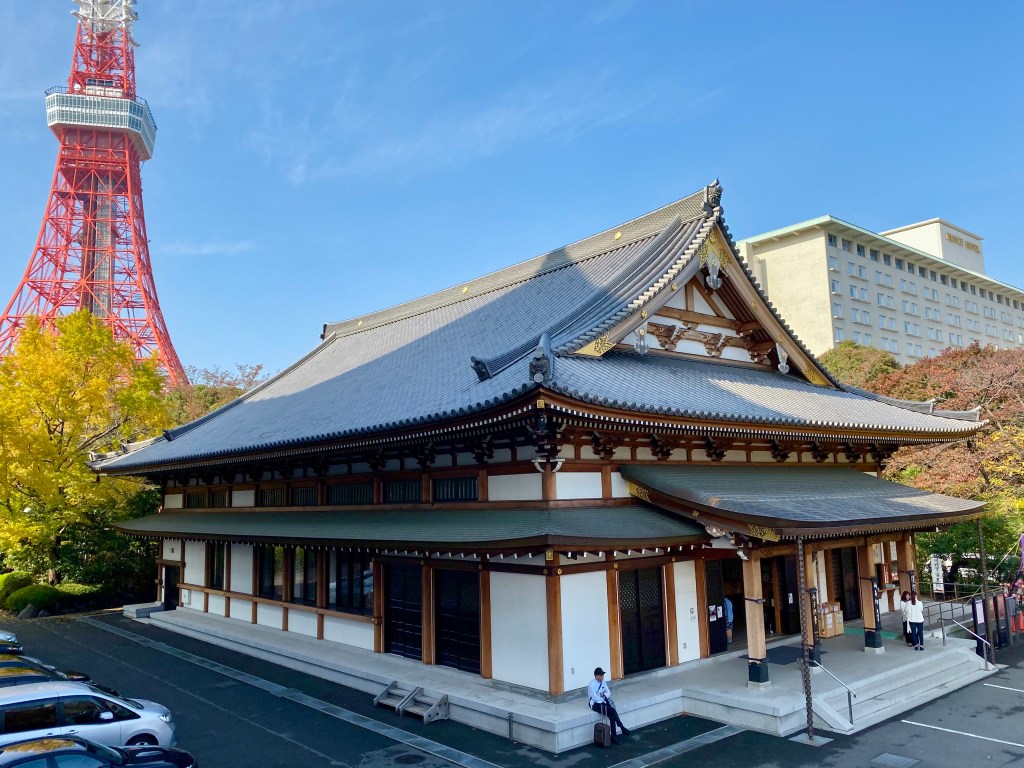
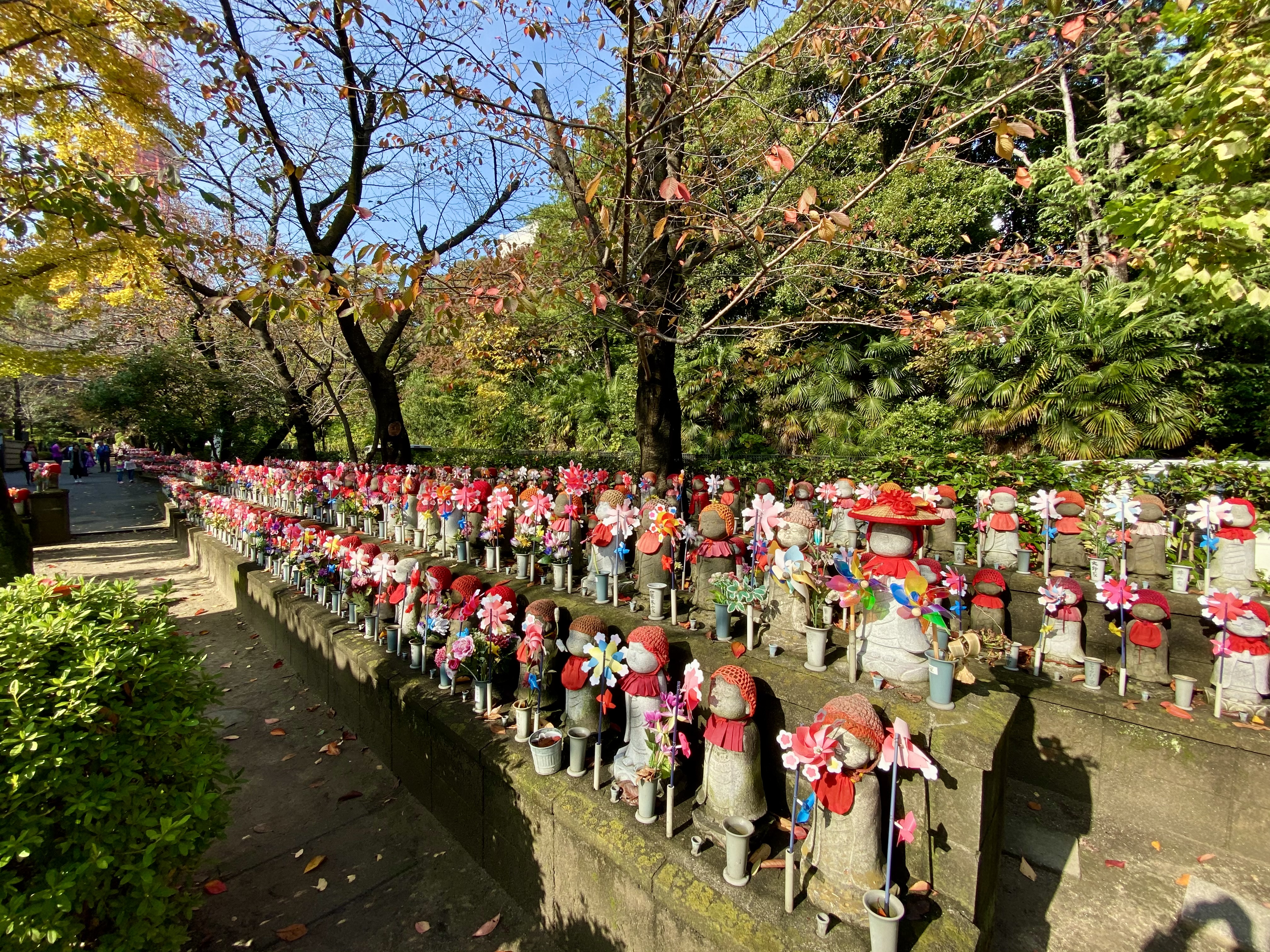
There are Jizo statues at the temple. It is believed that Jizo not only protect the souls of children but also travelers, and have been made as memorials to protect the spirits of those who passed away before they could complete their pilgrimage.
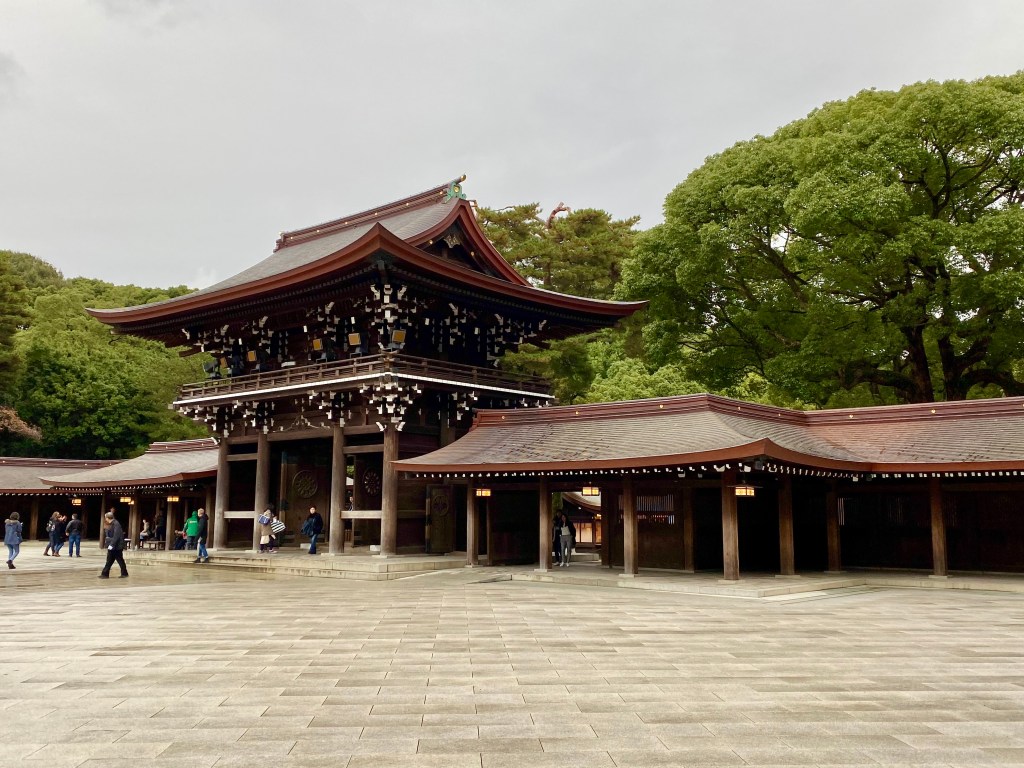
Meiji Jingu Shrine
A Shinto shrine in Shibuya that is dedicated to the deified spirits of Emperor Meiji and his wife, Empress Shōken. It is surrounded by a lush green forest right in the heart of Tokyo, and is the biggest Shinto shrine in Japan.
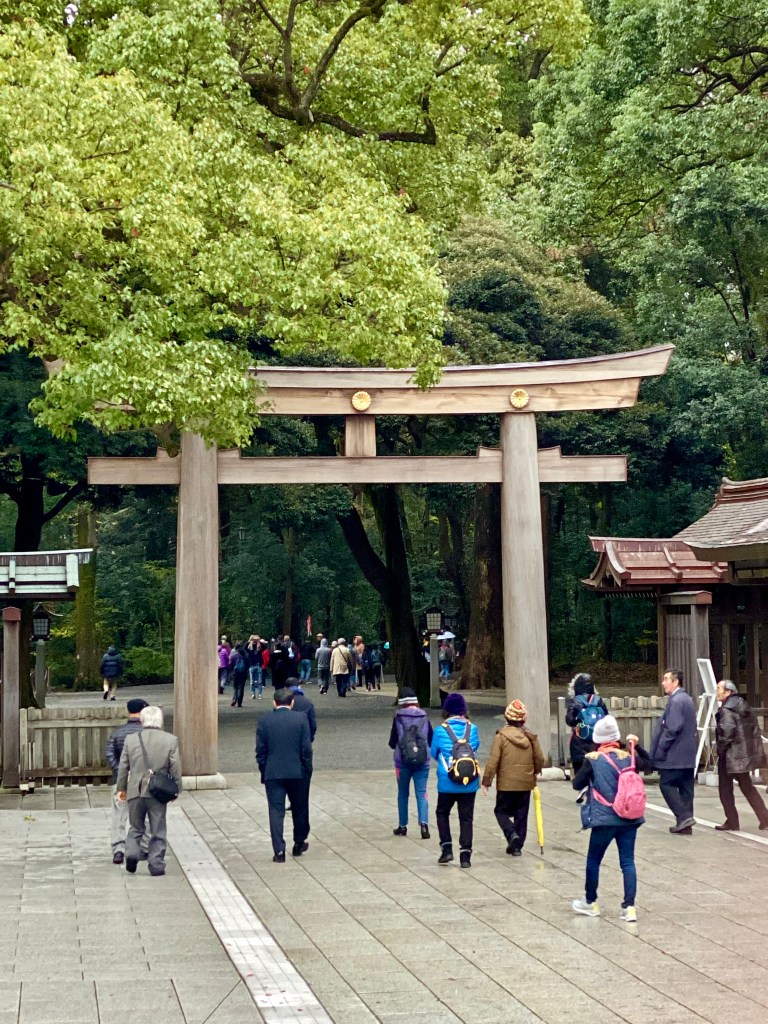
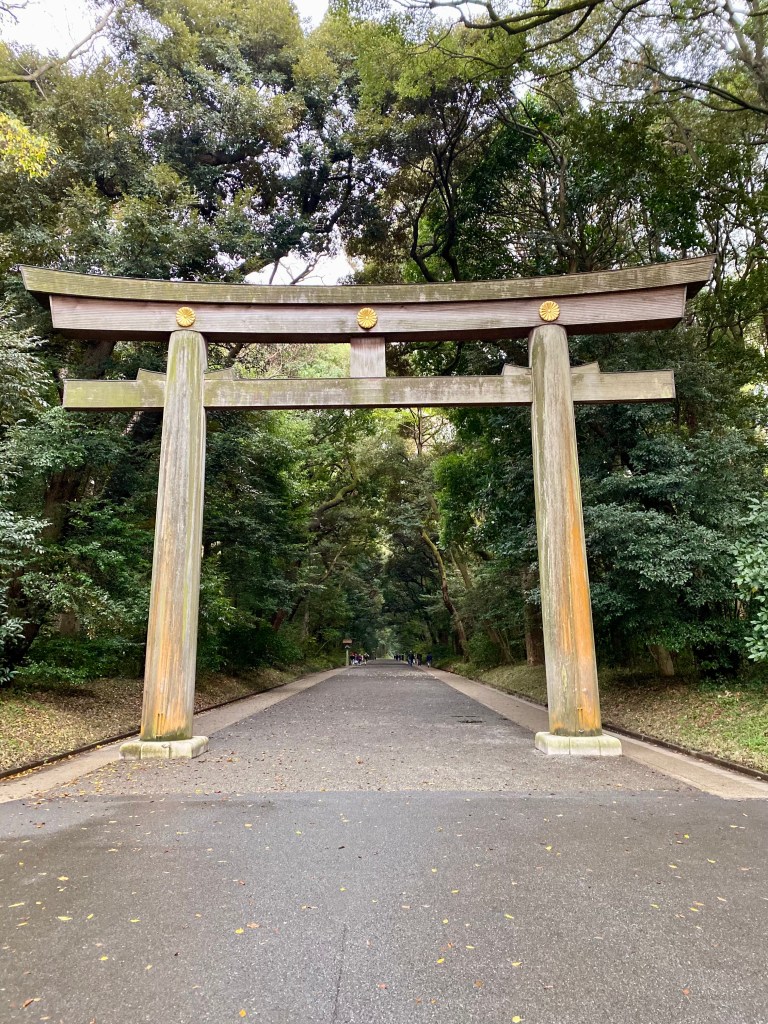
From the torii gate, the path that leads toward the shrine is dwarfed by the leafy greenery reaching out from the forest on either side. The torii gate and the path create a boundary between the mundane world of human kind and the realm of the gods. It is quite a walk to reach the shrine, so proper footwear is recommended.
Other popular temples and shrines that we didn’t get to see
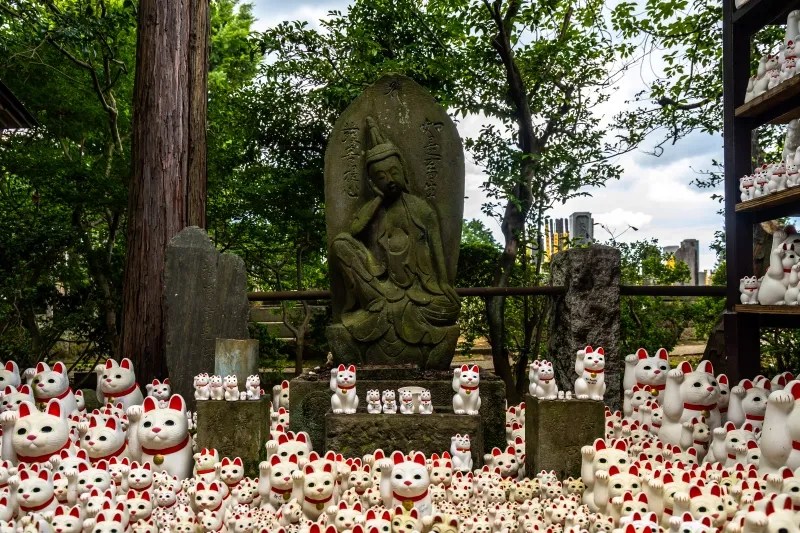
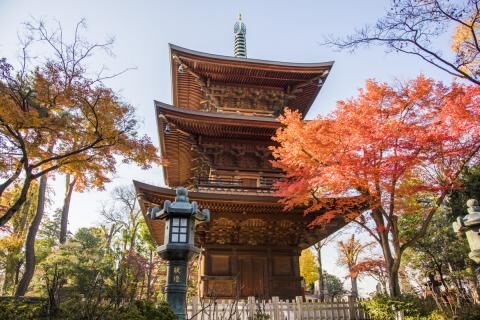
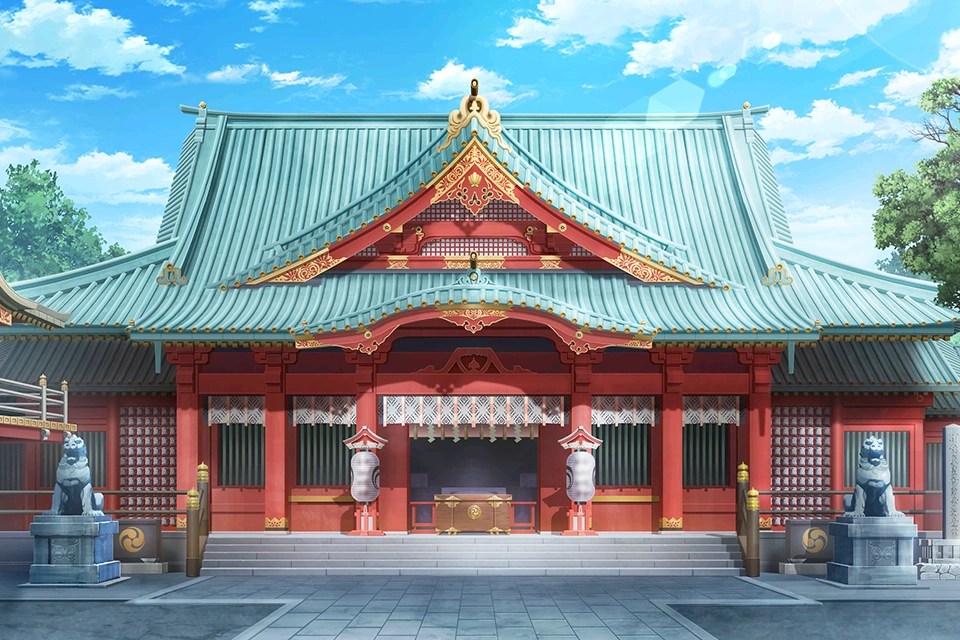
(photos from Google)
- Gotokuji Temple with the cat shrine
- Kanda Myojin Shrine
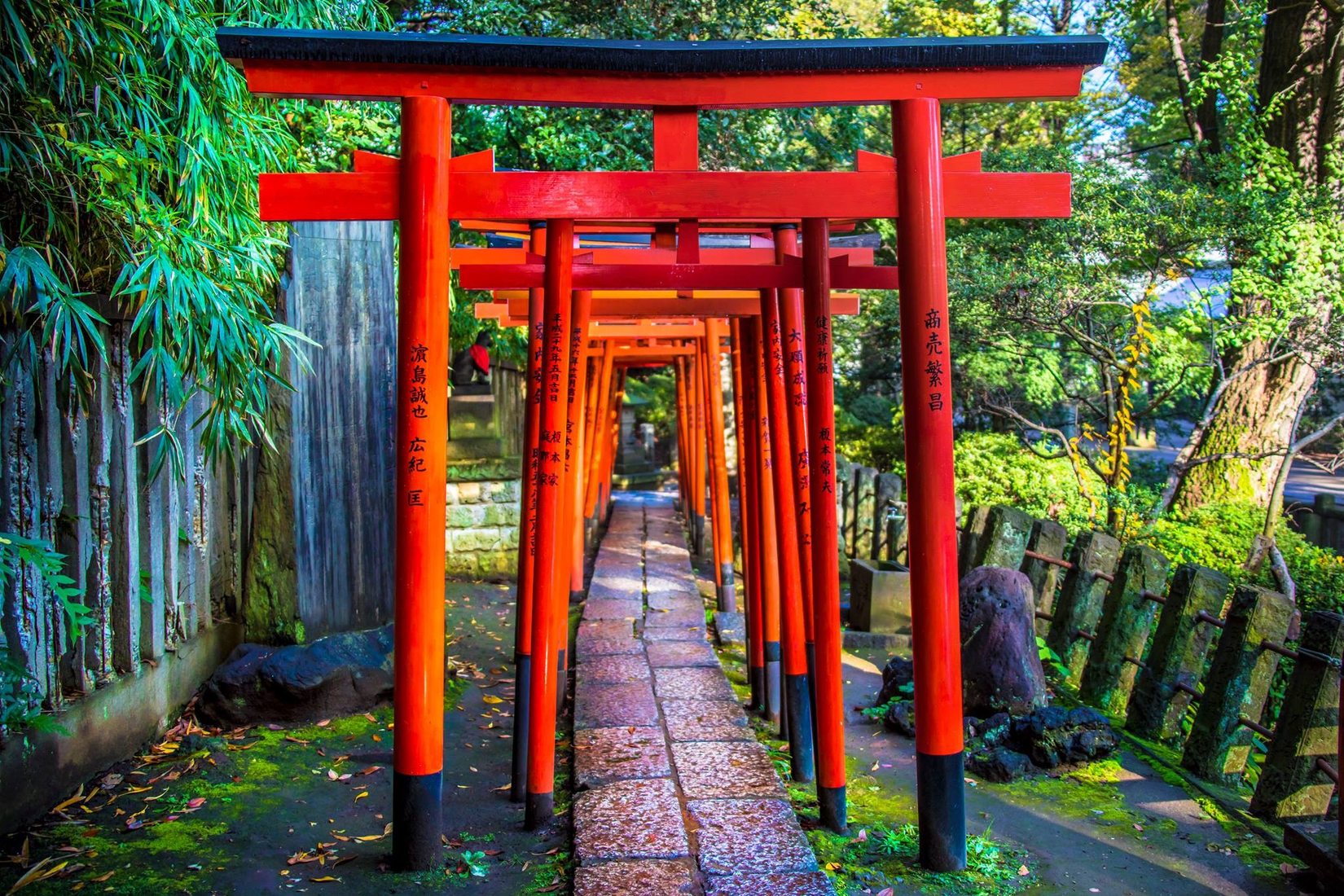
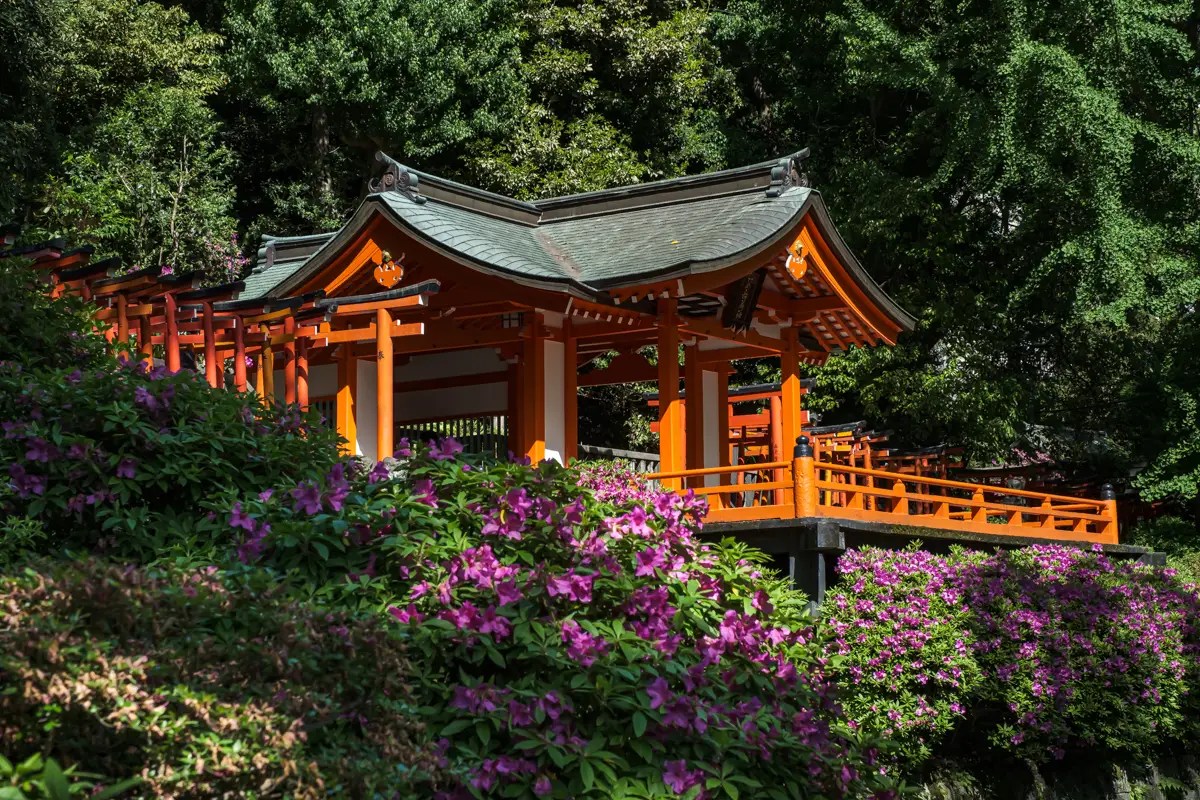
- Nezu Shrine

The New
Observation decks
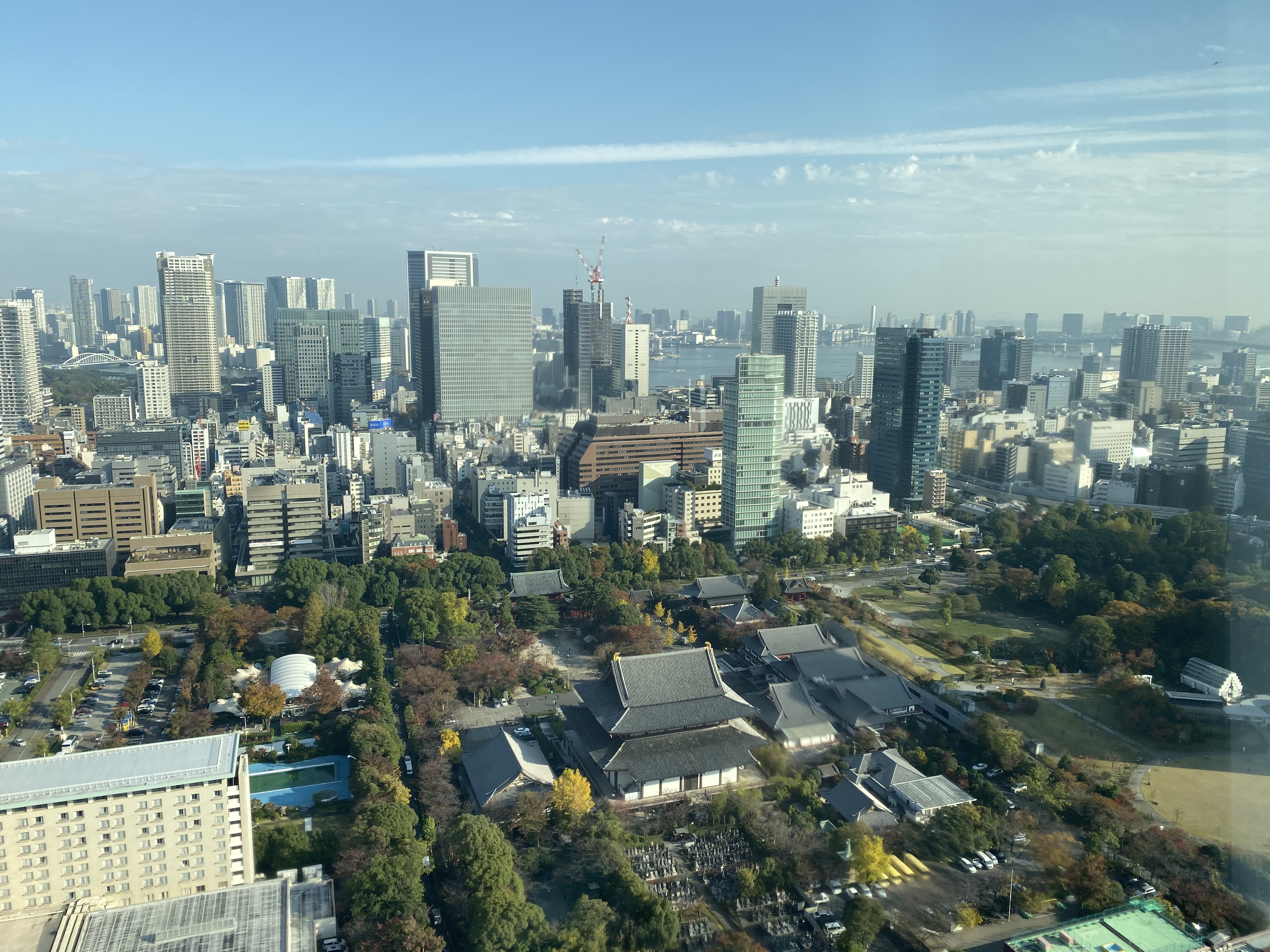
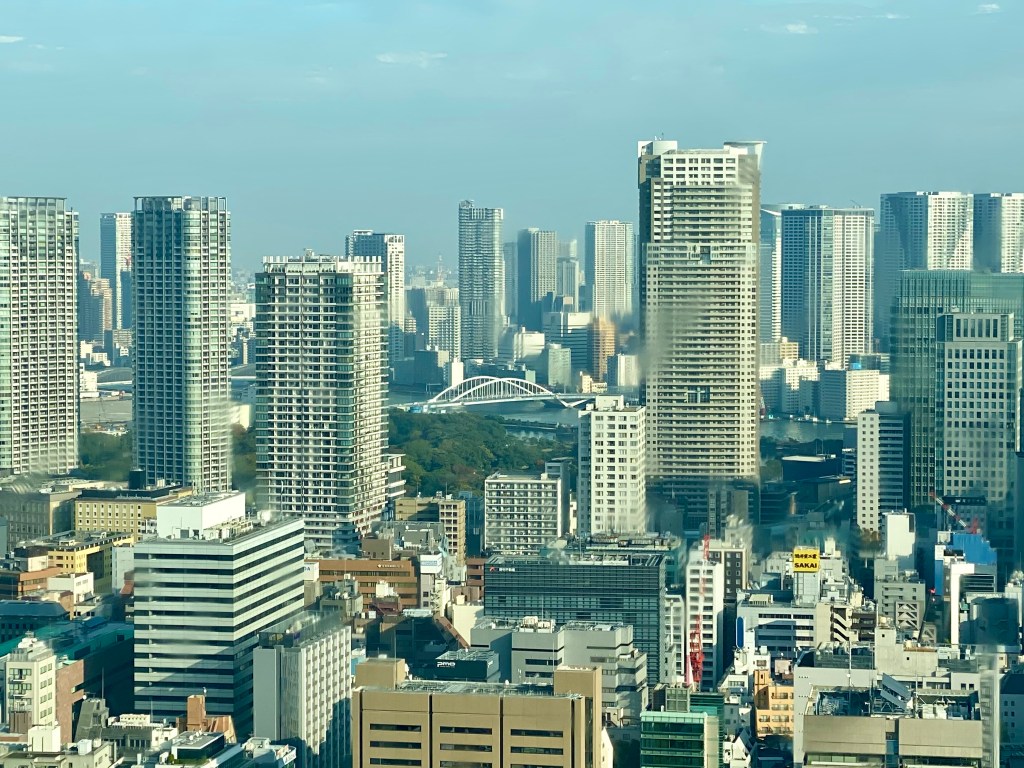
If you want to see the city from above, then these observation decks provide phenomenal panoramic views of the Tokyo skyline.
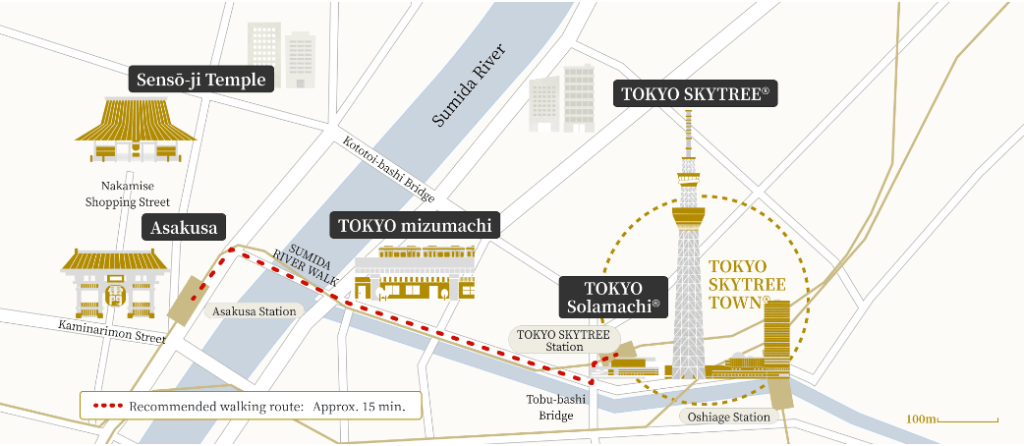
Tokyo Skytree
Standing at 634 meters tall, Tokyo Skytree is the tallest observation tower in Japan up to date. There is also a café and a restaurant, which claims to provide a glimpse of Mt. Fuji on a clear day.
The area surrounding the Skytree is full of attractions within walking distance worth exploring. You can buy tickets to the Skytree alone, or a bundle to other surrounding attactions at the Skytree ticket office.
Tokyo Tower
Second to Tokyo Skytree, Tokyo Tower stands at 332.9 meters. Built based on the Eiffel Tower, it is the world’s tallest, self-supported steel tower and even 3 meters taller than the Eiffel Tower. Tokyo Tower also offers a bird’s eye view of Tokyo and on a clear day, a view of Mount Fuji in the distance.

Nightly from sunset until midnight, there is a light show that runs every hour on the hour. There are two types of light-ups at Tokyo Tower, the “Landmark Light” and the “Infinity Diamond Veil,” which started this year, for 2 minutes.
There are restaurants as well as a food court and souvenir shops. Tokyo Tower additionally often offers exhibitions. When we visited, they held the One Piece exhibition. This is a treat for anime lovers. Our kids went to this exhibition and enjoyed it very much. The exhibition requires a separate ticket from the observation deck. At the time of this writing, there’s an exhibition for Thomas the Tank Engine & Friends: “Let’s play with Thomas! in Tokyo Tower”. Exhibition goers can take photos with Thomas, tide in a passenger car, and play with dioramas.
Shibuya Sky
Directly connected to Shibuya Station, a large-scale complex consisting of 47 floors above ground and an observation facility with a height of 229 meters, offers a full 360° open-air observation deck located on the roof of the Shibuya Scramble Square skyscraper. You can get tickets directly at the counter when you visit, or purchase them online ahead of time. I recommend online reservations since they offer a small discount.
There are several events held at Shibuya Sky, such as the Stargazing experience, or morning sound meditation. For a complete list of events being offered during your visit, check out the Shibuya Scramble Square events page.
Popular districts/areas
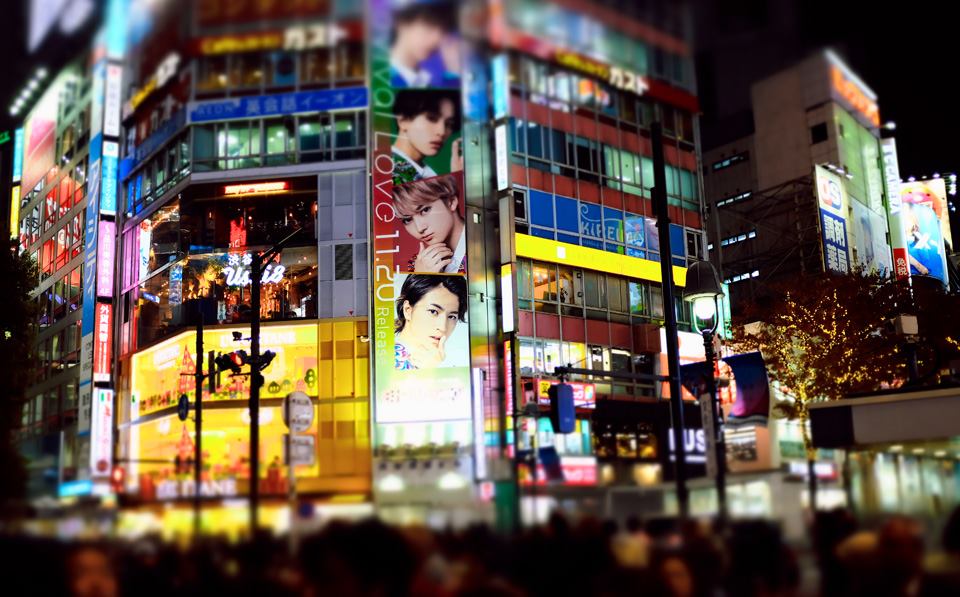
Shibuya Crossing is located in front of the Shibuya Station Hachikō exit and stops vehicles in all directions to allow pedestrians to inundate the entire intersection. At peak time, there are up to 3000 people crossing the intersection at a time; it is busy day and night.
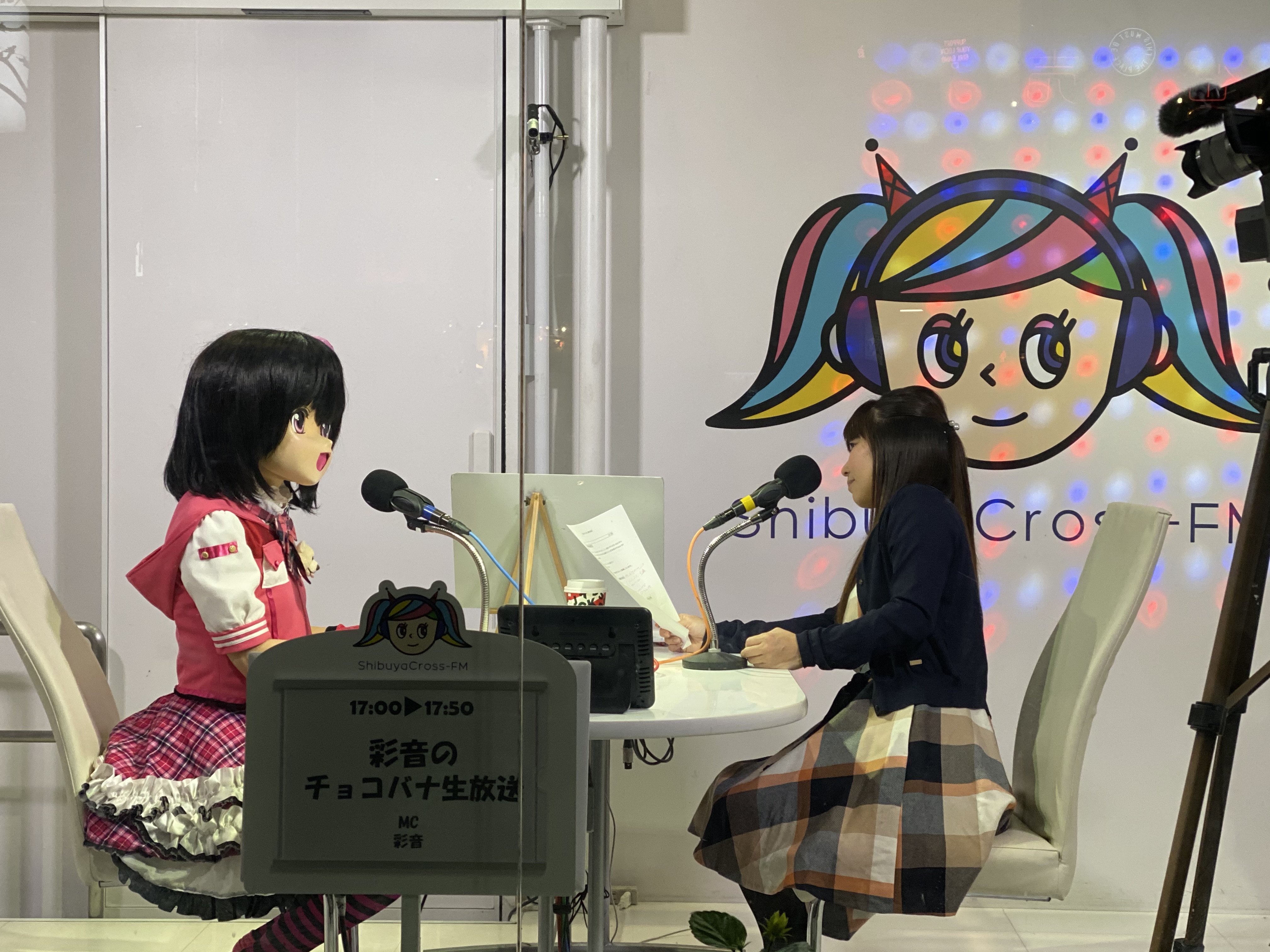
Upon seeing the crossing (and crossing the intersection) myself, I questioned: Where is everyone going?!!
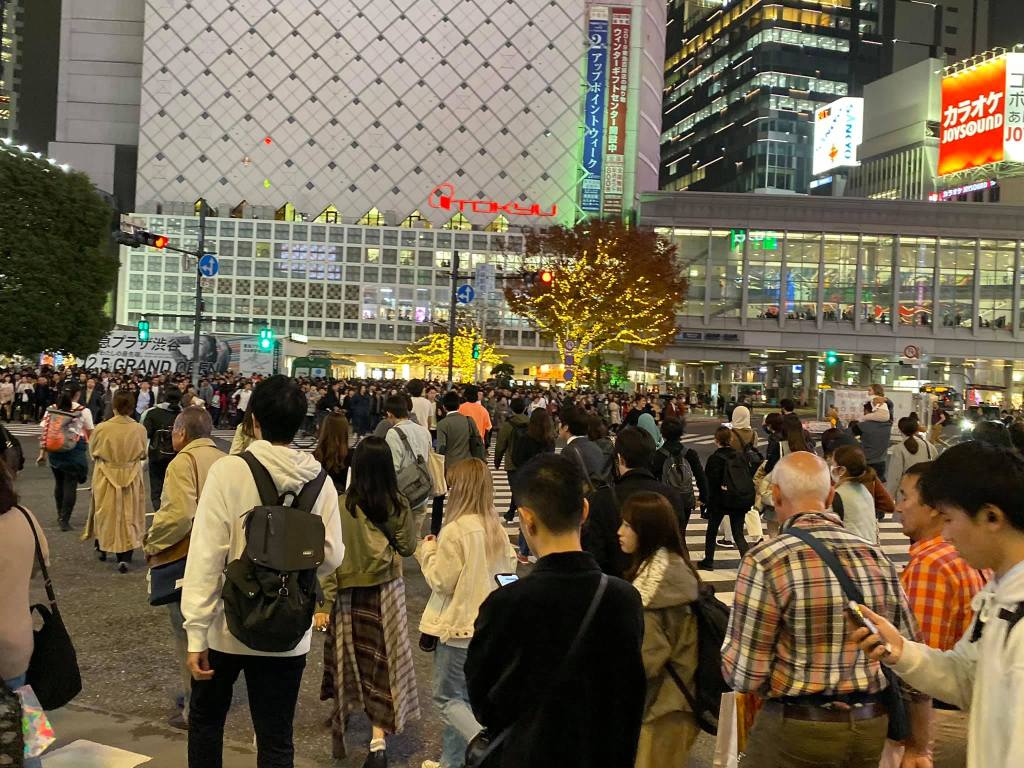
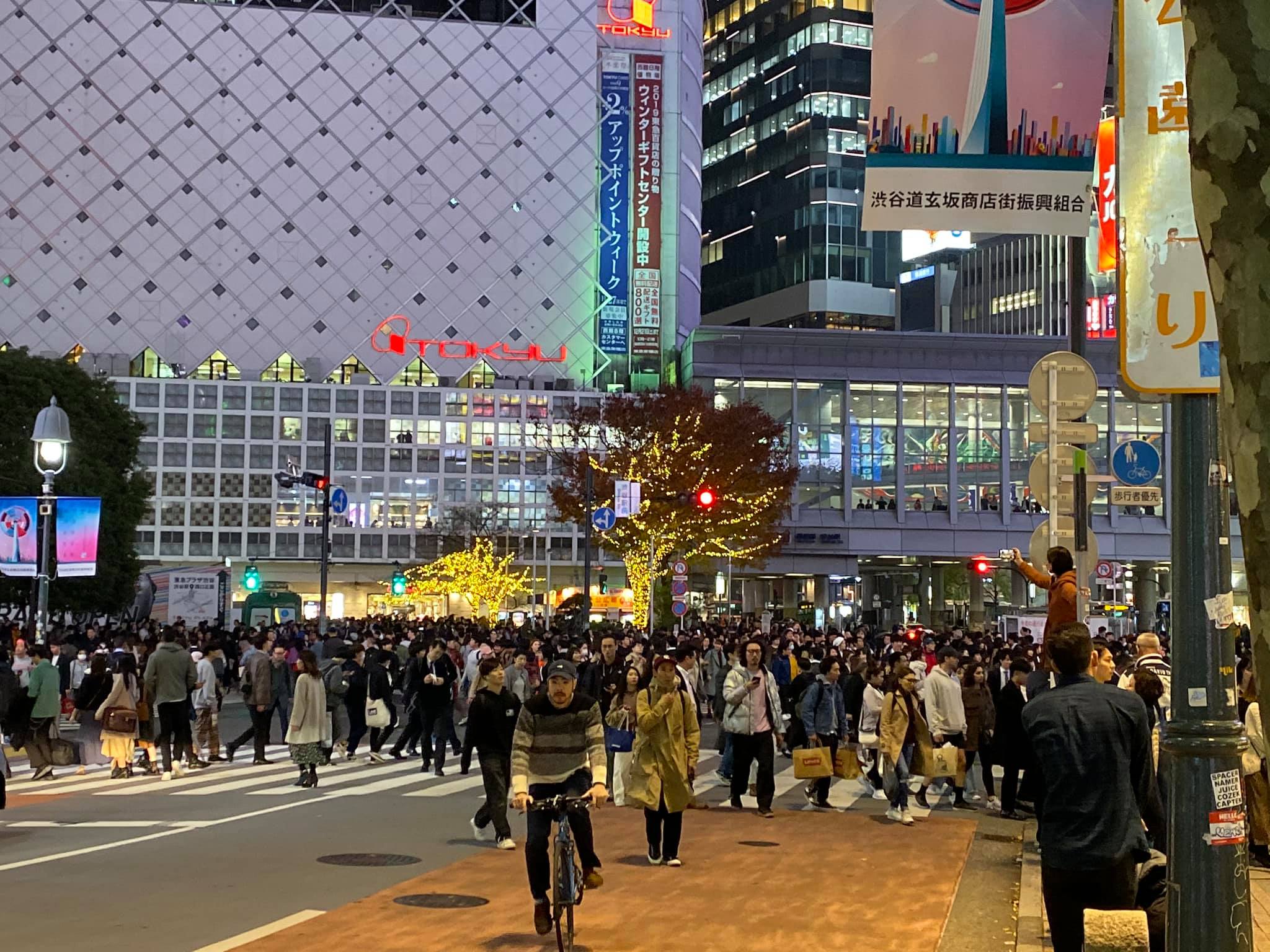
Shibuya is a lively area filled with bars, clubs, and izakaya. It is also a trendy shopping district. Shibuya Station itself is a large hub of Tokyo trains and subways. It is also a popular meeting spot during big holidays such as Halloween and New Year countdown. In short, it is the youth heart and soul of Tokyo, a must-see for nightlife and trendy youth culture.
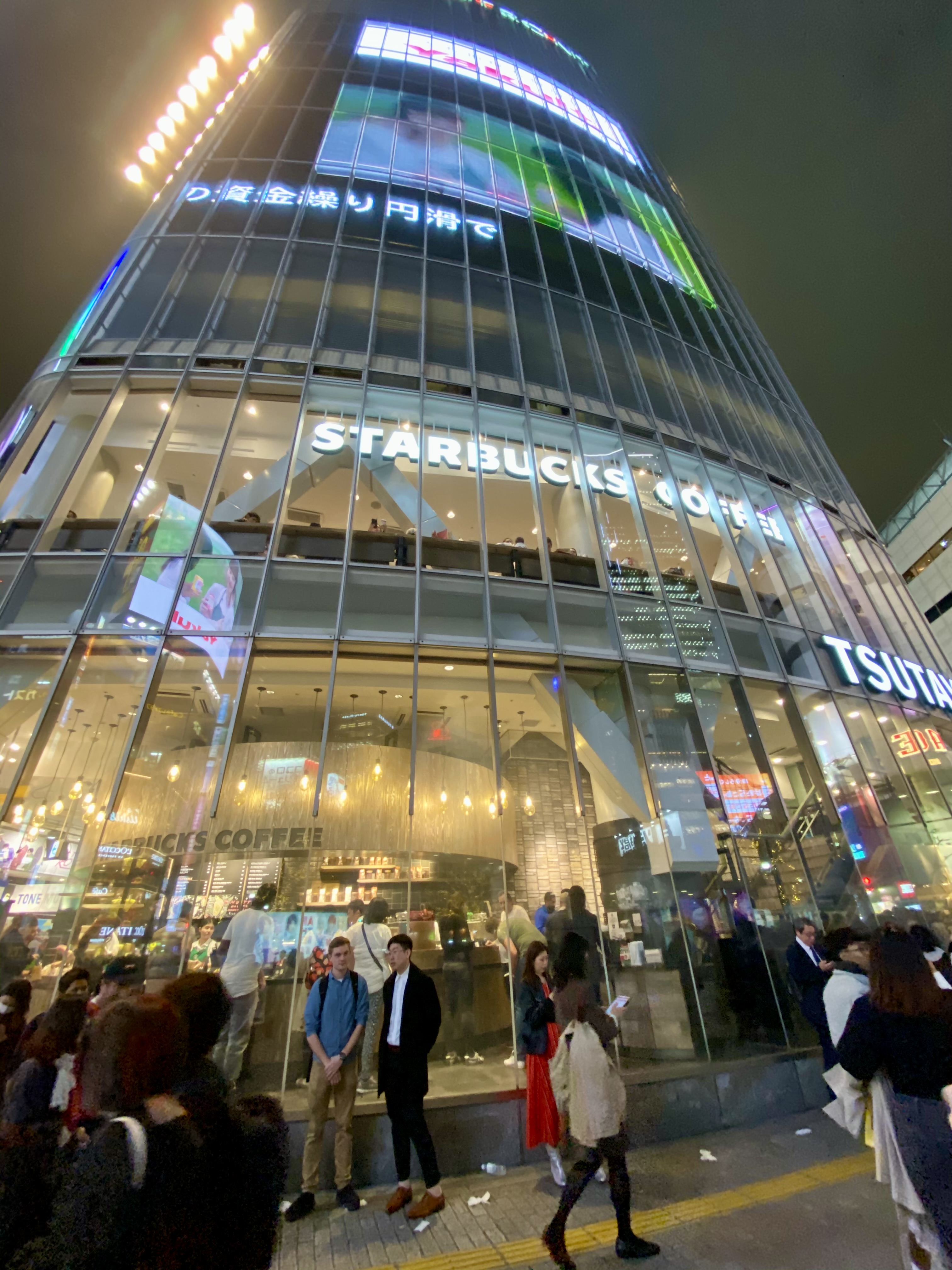
There used to be a giant Starbucks at the corner across from Shibuya station that offers a great view of the crossing from the floor-to-ceiling windows. It is one of most well-known Starbucks stores in Japan for this reason. The coffee shop was closed in 2023 due to the building renovation to accommodate the entertainment hub Shibuya Tsutaya.
Hachiko Statue in Shibuya
Have you seen the movie Hachiko: A dog’s tale? It tells a true story about a dog in Japan and the special bond he shared with a professor whom he met when it was a little puppy. In Shibuya, there is a memorial dedicated to Hachiko, the faithful dog who waited at the Shibuya Station every day for his master, even after his death. The statue is only a few meters from the Shibuya Scramble Crossing, and can be easily spotted as you will most likely to find a queue of people waiting to take photos with the statue.
Shinjuku
Often called the “Sleepless town”, mostly known for its entertainment district: Kabukicho. Kabukichō is considered a red-light district with a high concentration of host and hostess clubs, love hotels, shops, restaurants, and nightclubs.
It is filled with the buzzing clubs and karaoke rooms of neon-lit East Shinjuku and upscale hotel bars and restaurants in the Skyscraper District. It is also home to Shinjuku Station, which holds the Guinness World Record for being the world’s busiest train station.
Ginza
If Paris has Rue Saint Honoré, Los Angeles has Rodeo Drive, New York has 5th Avenue, then Tokyo has the Ginza district. It is one of Tokyo’s top shopping districts, packed with upscale boutiques and is Tokyo’s most glamorous district.
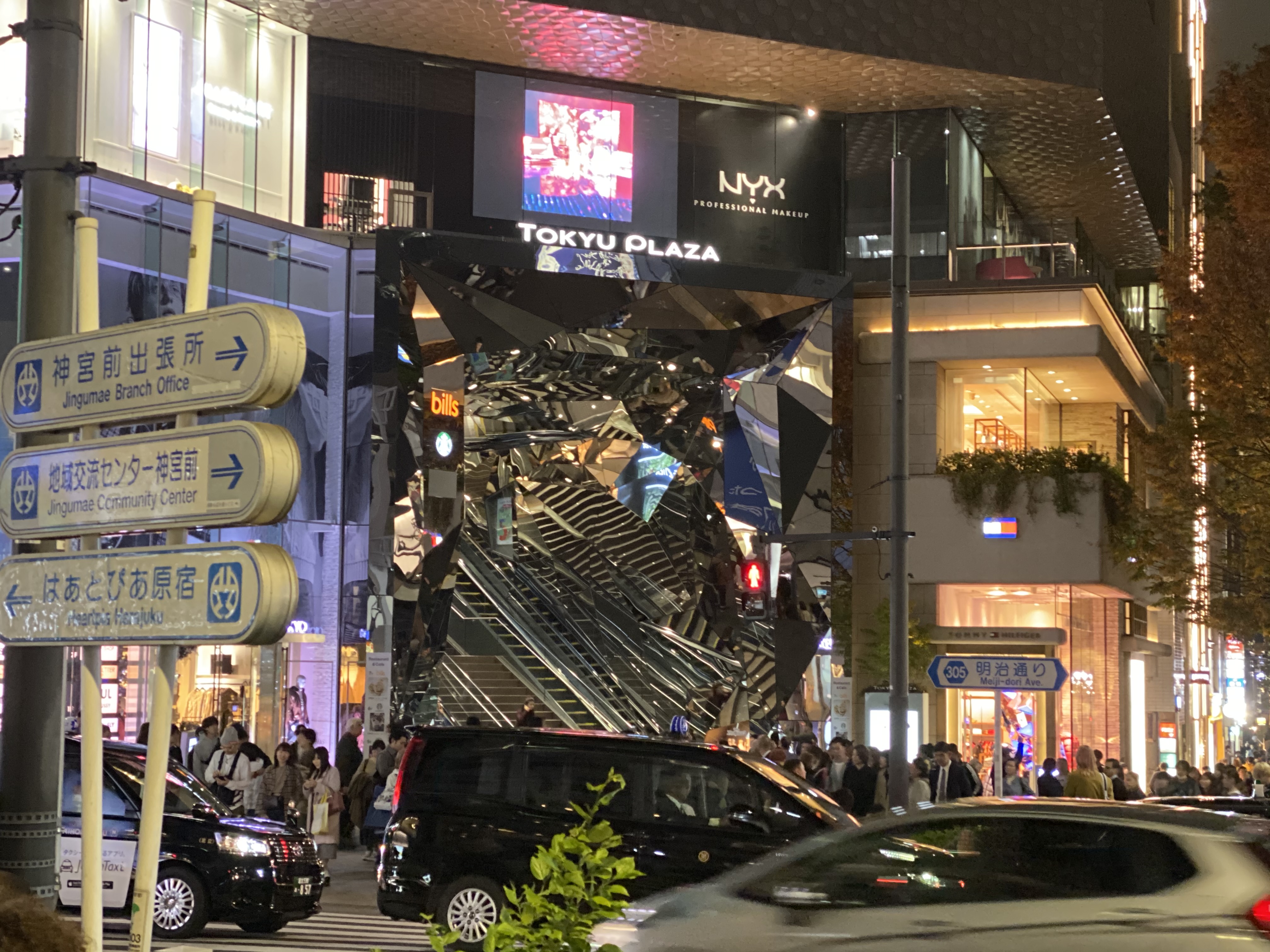
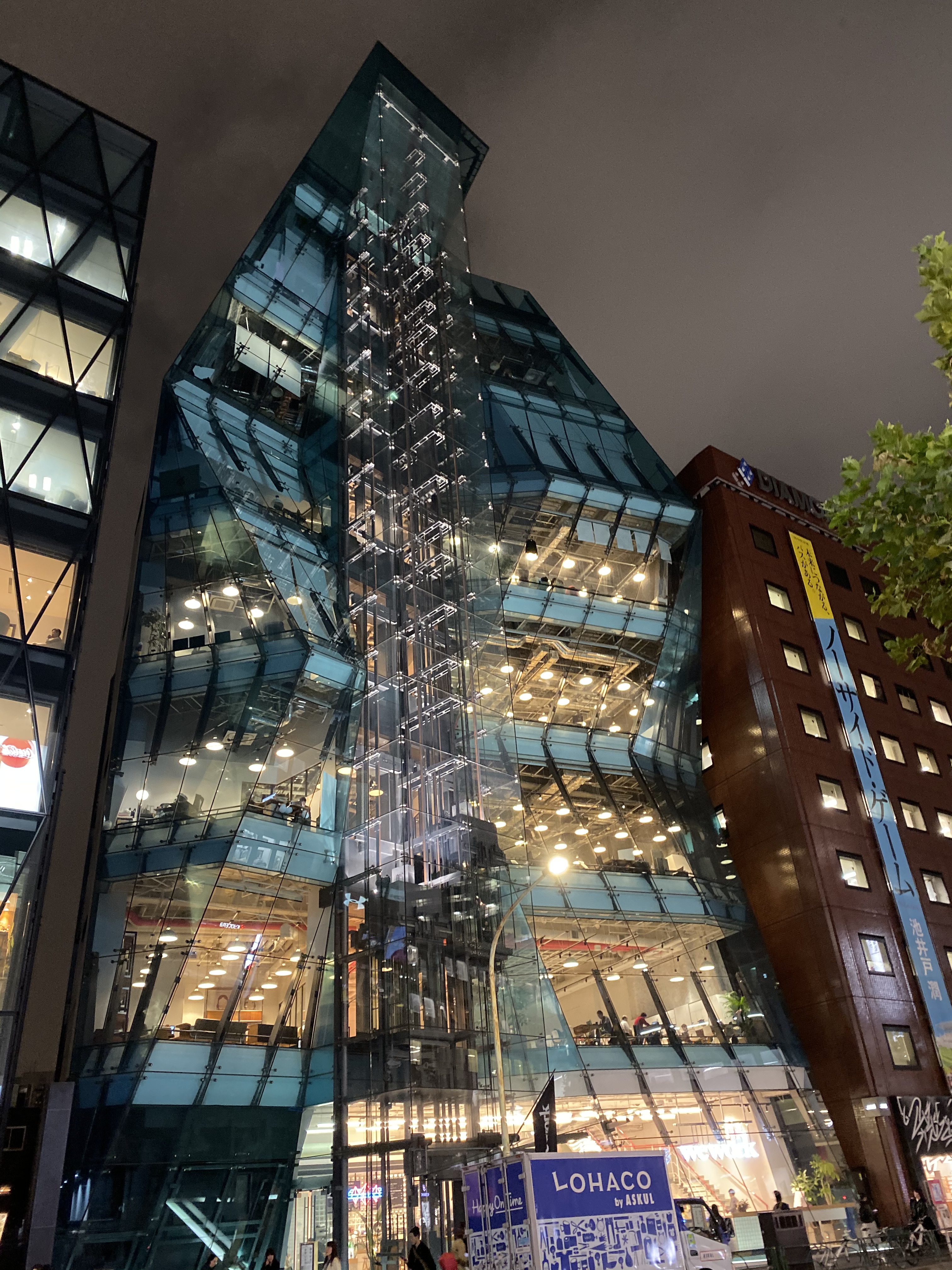
Ginza is also home to historic department stores, gourmet delights of Michelin-starred restaurants (including sushi and ramen). Besides the fashion boutiques, Ginza also specializes in high-tech electronics.
Akihabara
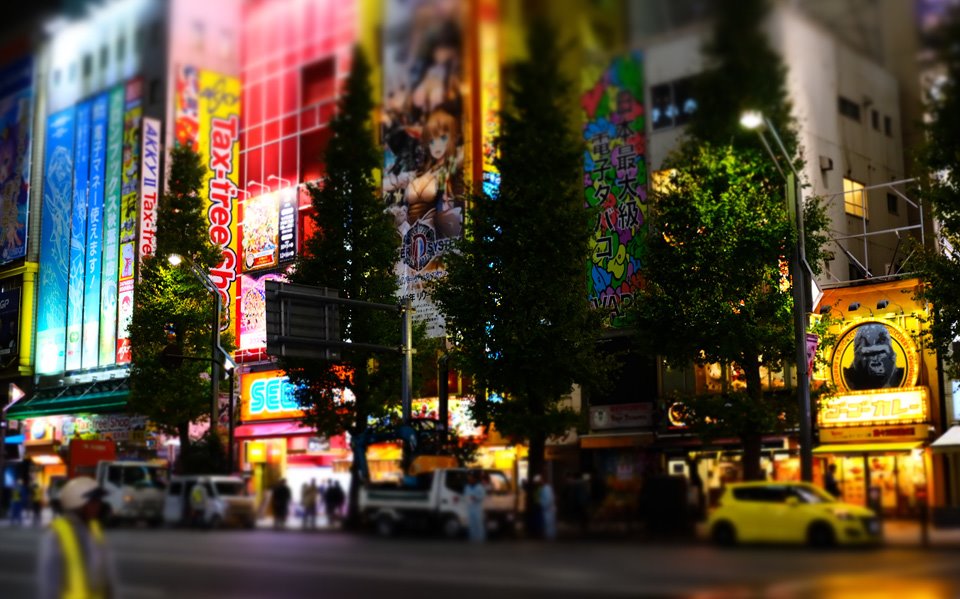
Akiba is considered to be the epicenter of modern Japanese otaku culture, and is a major shopping district for video games, anime, manga, electronics and computer-related goods. It is called the Anime capital of the world. The place is overflowing with radiance: lights, anime billboards, and taxis of all colors.
(As seen below, there are games suitable for all ages.)
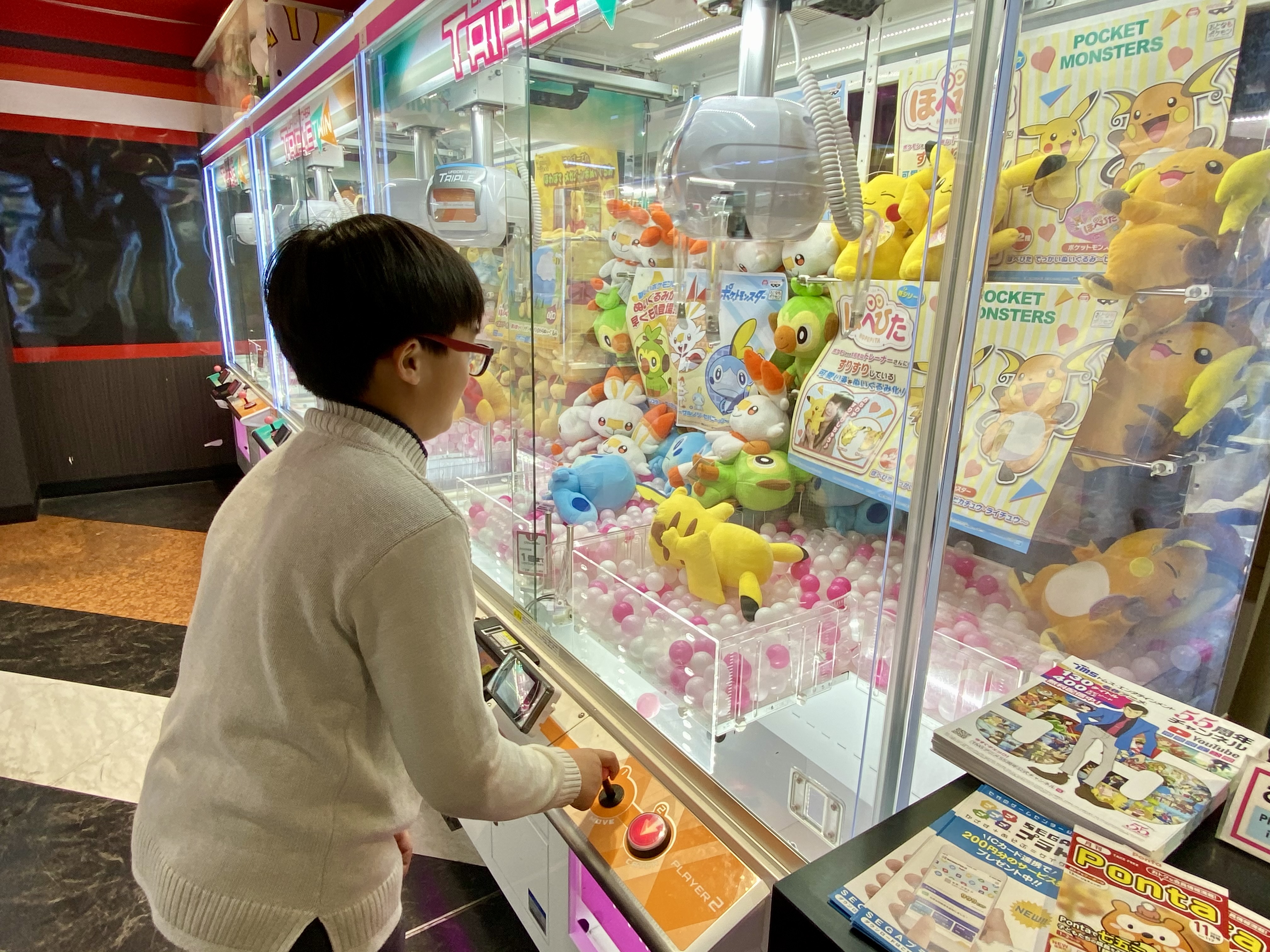
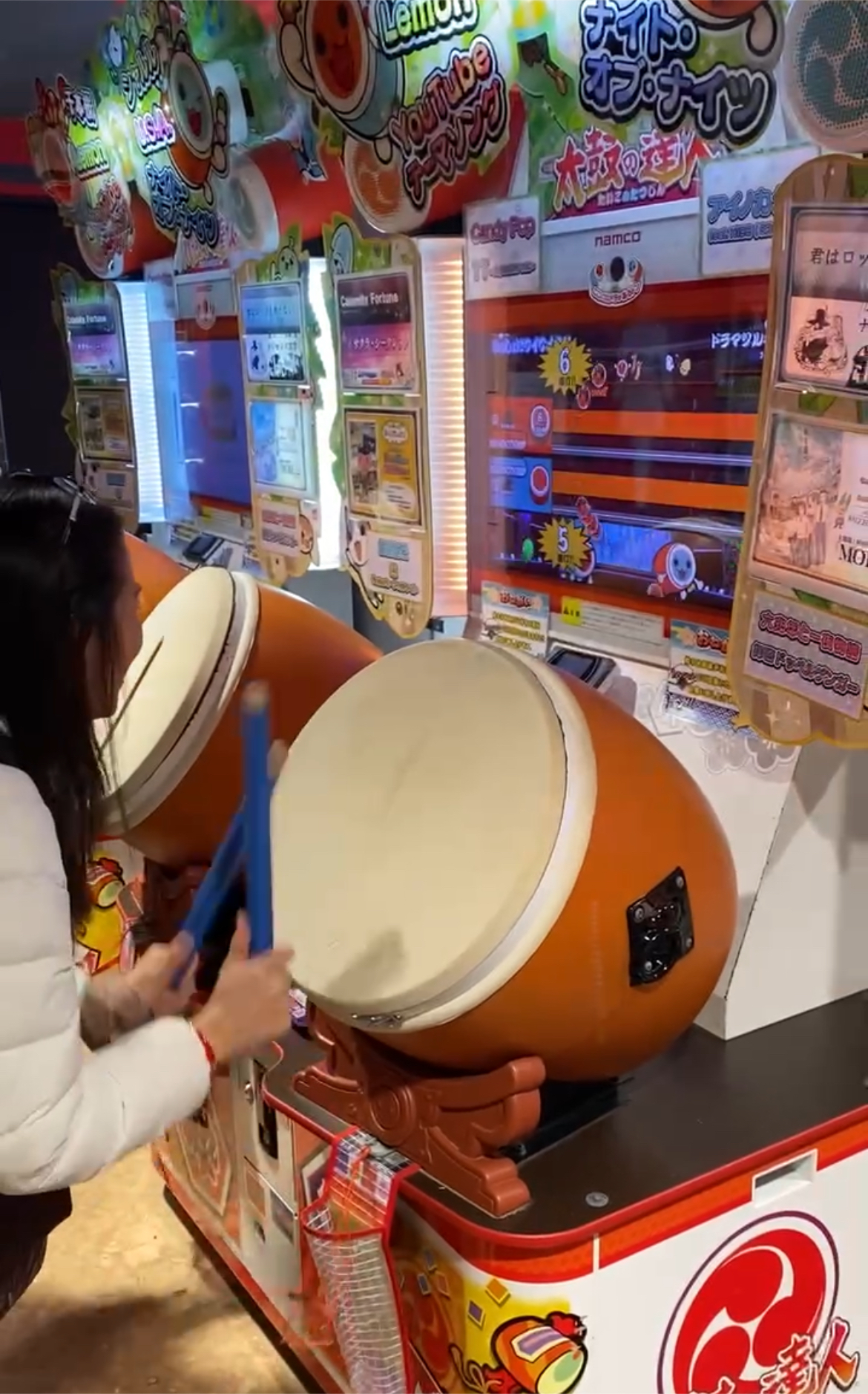
Also well-known here are the maid cafes, where the staff dressed as maids or butlers to serve tea and desserts, or breakfasts with smiley faces and hearts drawn with ketchup on omelets. Sometimes they perform a song or dance. Maid cafes represent an important part of the modern Japanese subculture and offer a unique taste of otaku life.
teamLab Borderless
teamLab is a digital art museum. The concept is presenting a group of artworks that form one continuous, borderless world. Artworks move out of the rooms freely, form connections and relationships with people, communicate with other works, influence and sometimes intermingle with each other.
Immerse yourself in an expressive world of light and darkness. We visited Borderless on our last day in Tokyo, which worked out very well because it was raining heavily all day, so we wouldn’t be able to do any outdoors activities.
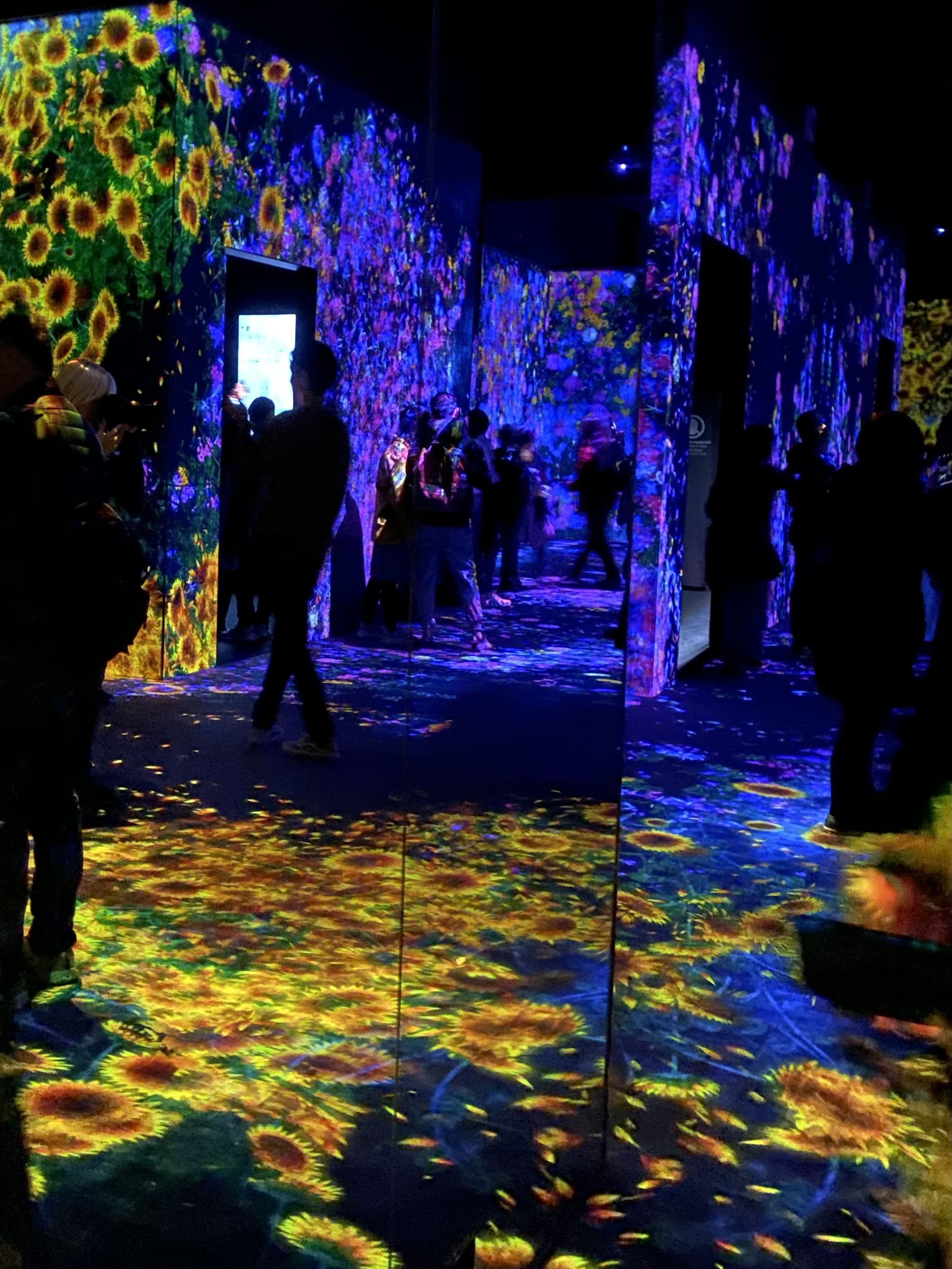
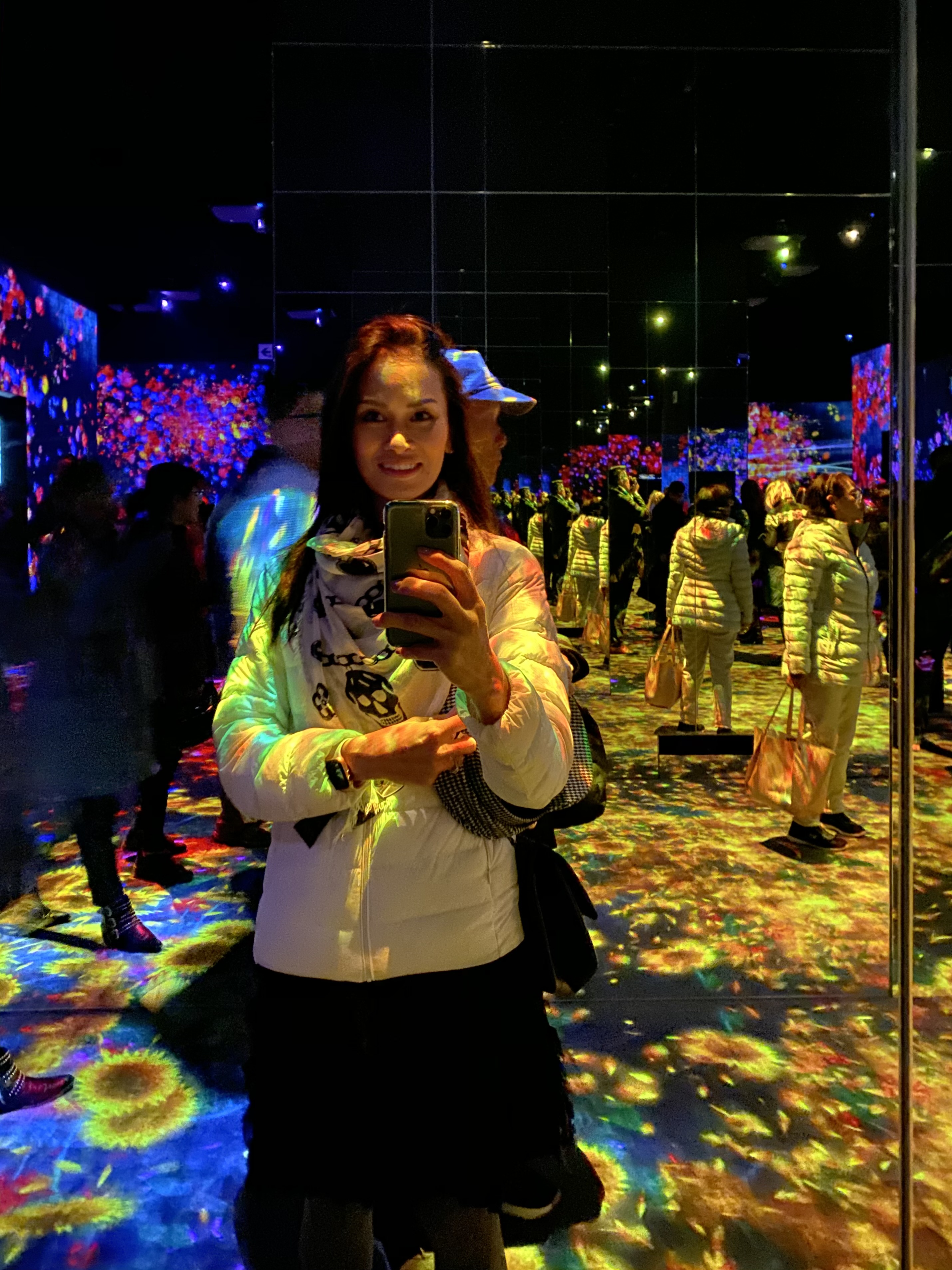
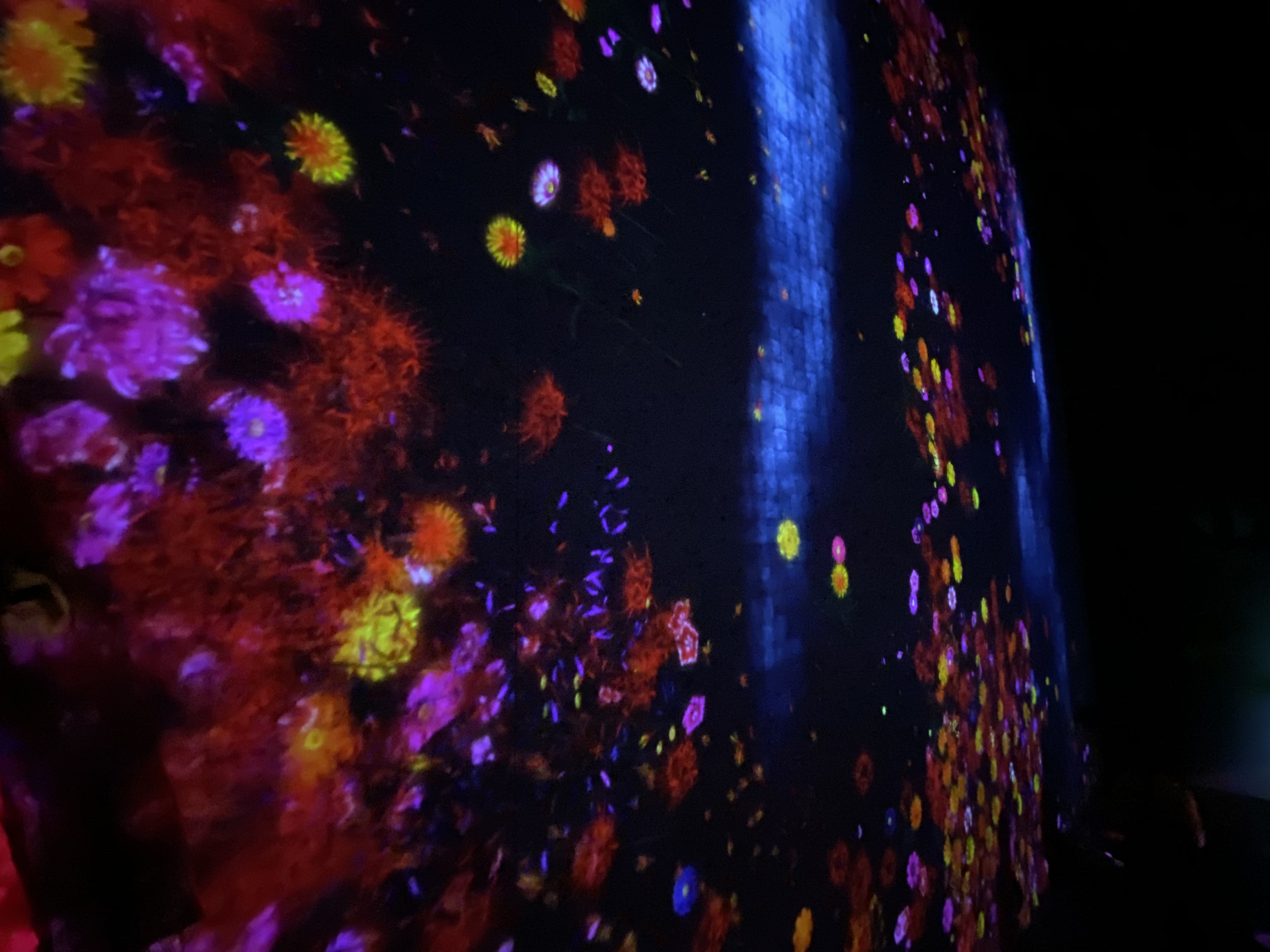
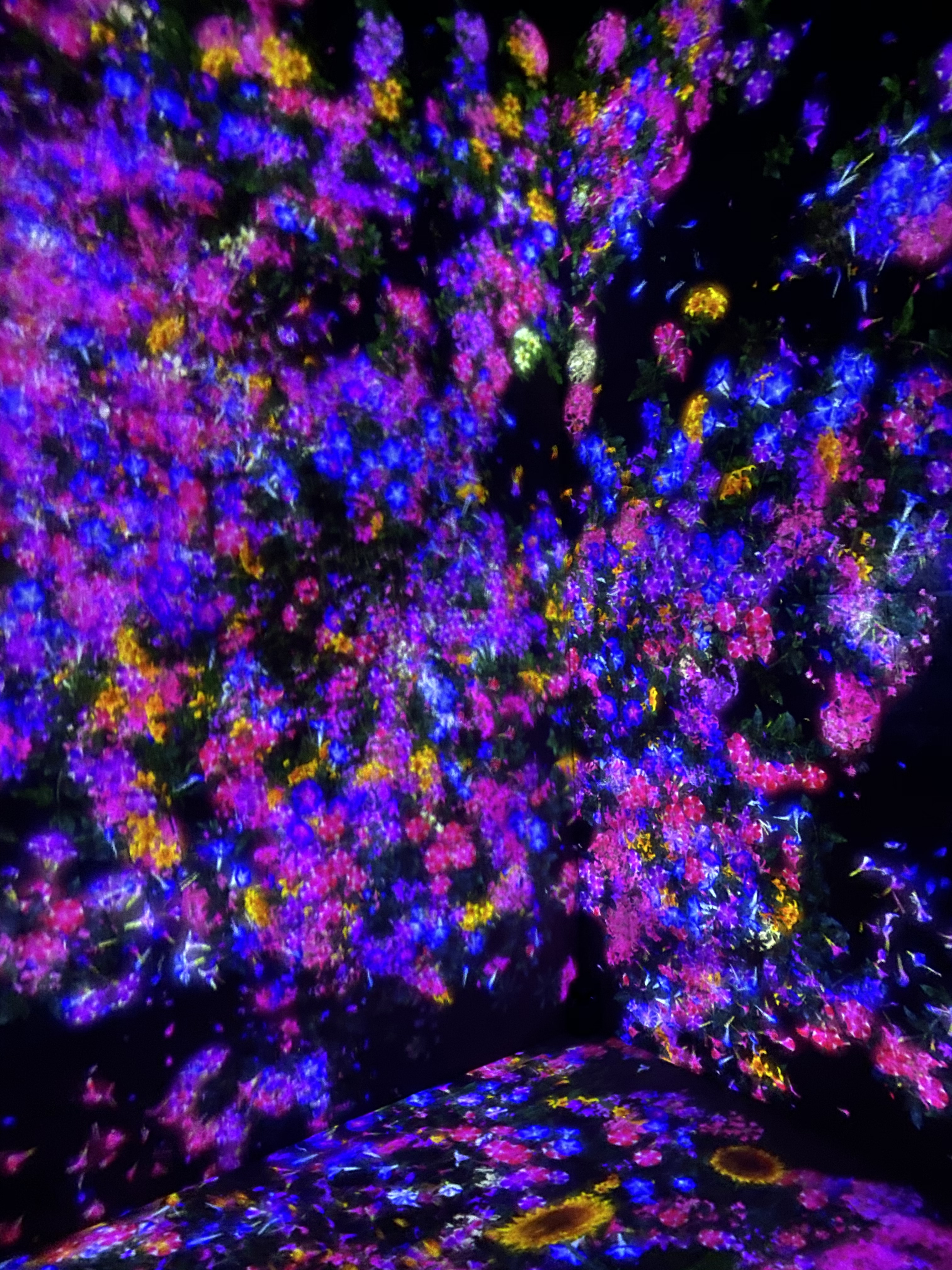
There are other teamLab museums around the world, but Japan was the first and on a grander scale.
teamLab Planets
Smaller than Borderless, teamLab Planets is a museum where you walk through water, and a garden where you become one with the flowers. It comprises of 4 large-scale artwork spaces and 2 gardens created by art collective teamLab.
We didn’t personally visit Planets since we only had time for one. Between the two, we picked Borderless. However, if you have time, both digital museums are worth visiting. It is recommended that you purchase tickets in advance and advised that you arrive very early since the queue is often very long.
Theme Parks
Ghibi Museum
A museum showcasing the work of the Japanese animation Studio Ghibli. A wonderland built by anime legend Hayao Miyazaki. The Ghibli Museum is suitable for both the young and old. The museum includes a theater showing film excerpts, a whimsical children’s play zone, a rooftop garden, and exhibits related to his movies.
Tokyo Disneyland/Disneysea
We personally don’t go to many theme parks. But if you would have to choose a Disney park to go, then I recommend Tokyo Disneyland. It’s a magical combo of the classic Disneyland charm and high-tech systems that make its rides and attractions even more immersive. The park also has its own unique rides that you won’t find anywhere else.
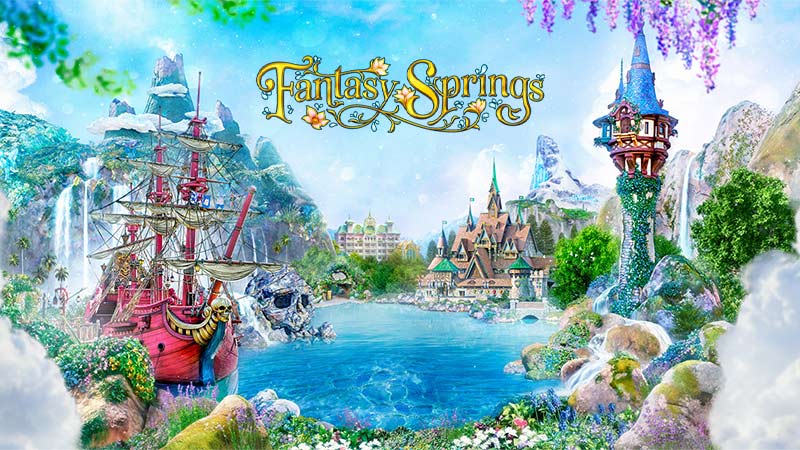
Disneysea is the only Disney park themed to the myths and legends of the sea. This is the only Disneysea in the world. There are passes that allow visit to both theme parks.
Sanrio Puroland
An all-weather theme park at Odakyu Tama Center where you can meet your favorite characters! The on-site attractions can be enjoyed by children of all ages. The Hello Kitty and Sanrio character parades and performances are also highly recommended. The park also has themed restaurants and shops devoted to specific Sanrio characters, and visitors can buy goods that are exclusive to Sanrio Puroland.
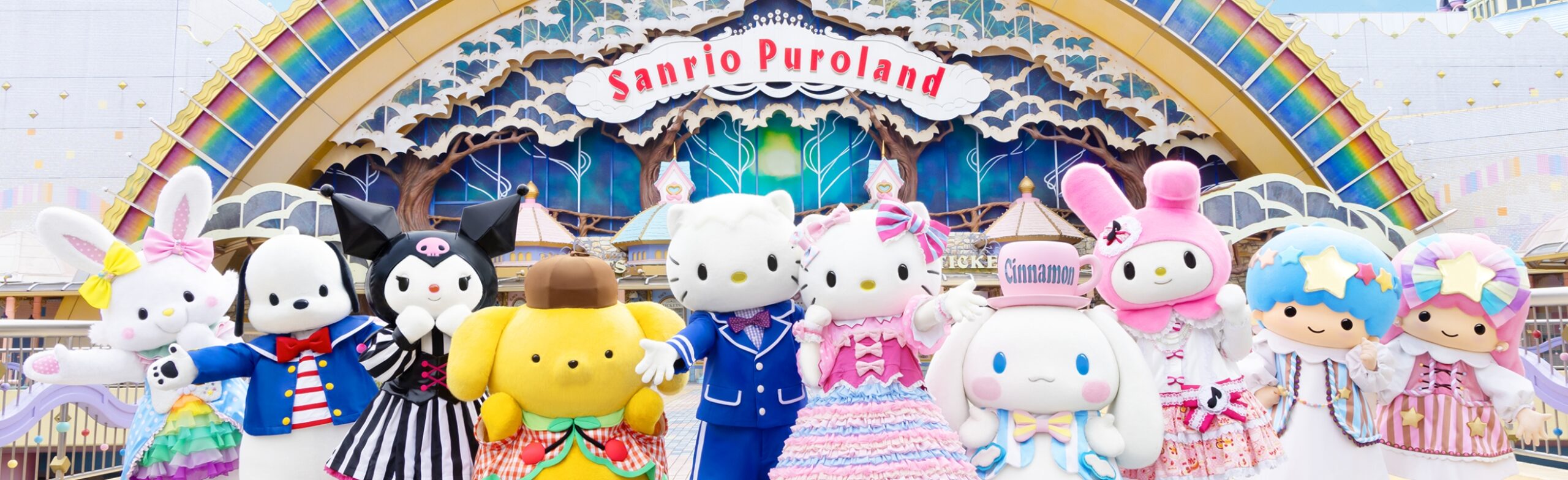
There are other theme and amusement parks such as Tokyo Dome City, LaQua, Warner Bros. Studio, Tokyo Joypolis, Asakusa Hanayashiki, Legoland, Asobono, Arakawa Yuen, Maxwell Aqua Park… to satisfy everyone’s interest.
The Unique
Toyosu Fish Market/Tuna auction
One of the biggest fish markets in the world and famous for its lively tuna auctions. Visitors are allowed to watch the auction. Entry is free, but some spots require advance reservation as only 27 people per day are allowed to watch the auction from this close-up angle.
Note that on the day of the tour, you’ll be asked to arrive no later than 5:45am at the Promotional Corner on the third floor of Block 7’s Management Facilities Building. For the exact location, download the English Toyosu Market map here. The tour starts at 5:55am and you’ll be allowed to watch the tuna auction until 6:25pm.
Mario Go-Kart
In the U.S., Go-karts can only be driven on the designated lanes of the venue. Tokyo takes go-kart racing to the next level where you can go-kart through the streets of Tokyo (with a guide). Along with the ride, you can dress up in costumes. Most popular would be the Super Mario costumes.
This may sound like something kids would love to do; however, there are rules to adhere. Riders must be at least 18 years old and hold an international driving permit/license (which requires a valid driver license in your home country).
Go-kart racing is very popular so it is advised to make reservation at least 1 or 2 months in advance. The rate is per hour, average to be about 50 USD per hour.
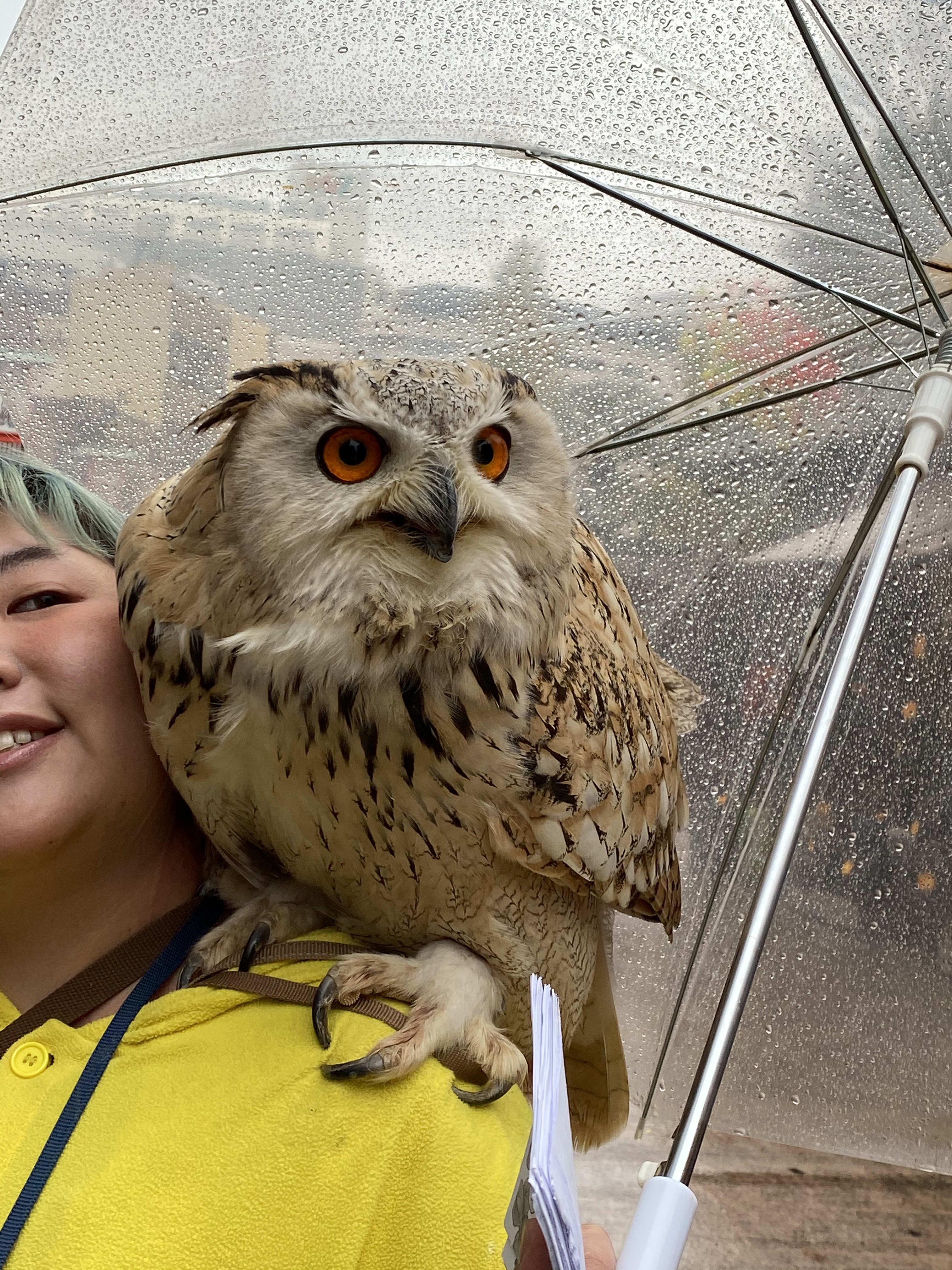
Cat/Animal Cafes
Tokyo is famous animal cafés. The original concept started with cat cafés, but has slowly expanded to accommodate a wide range of pets and other animals. The popularity of these cafes has been attributed to a desire to interact with cats/animals to help relieve the stress of a busy life. People in Japan found that a stop at a café at the end of the day and the chance to relax and pet a cat/animal is a perfect balm for a busy worker.
Sumo wrestling
There are 6 sumo tournaments are held in Japan each year, with three in Tokyo, held in January, May and September. Each tournament lasts around 15 days, giving visitors a reasonable chance of getting tickets. Tickets can be purchased at the convenience stores, official vendor or online at buysumotickets.com.
Food
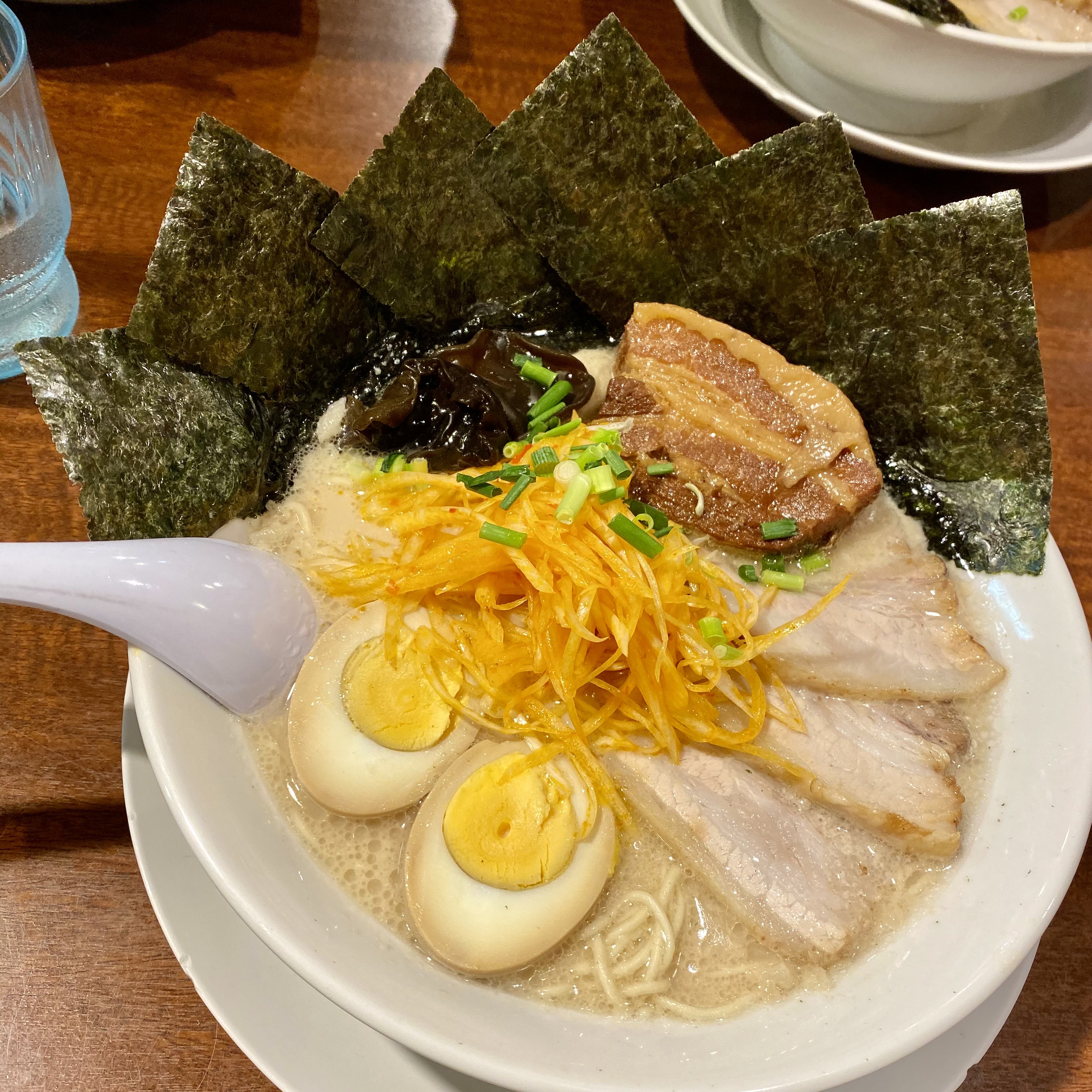
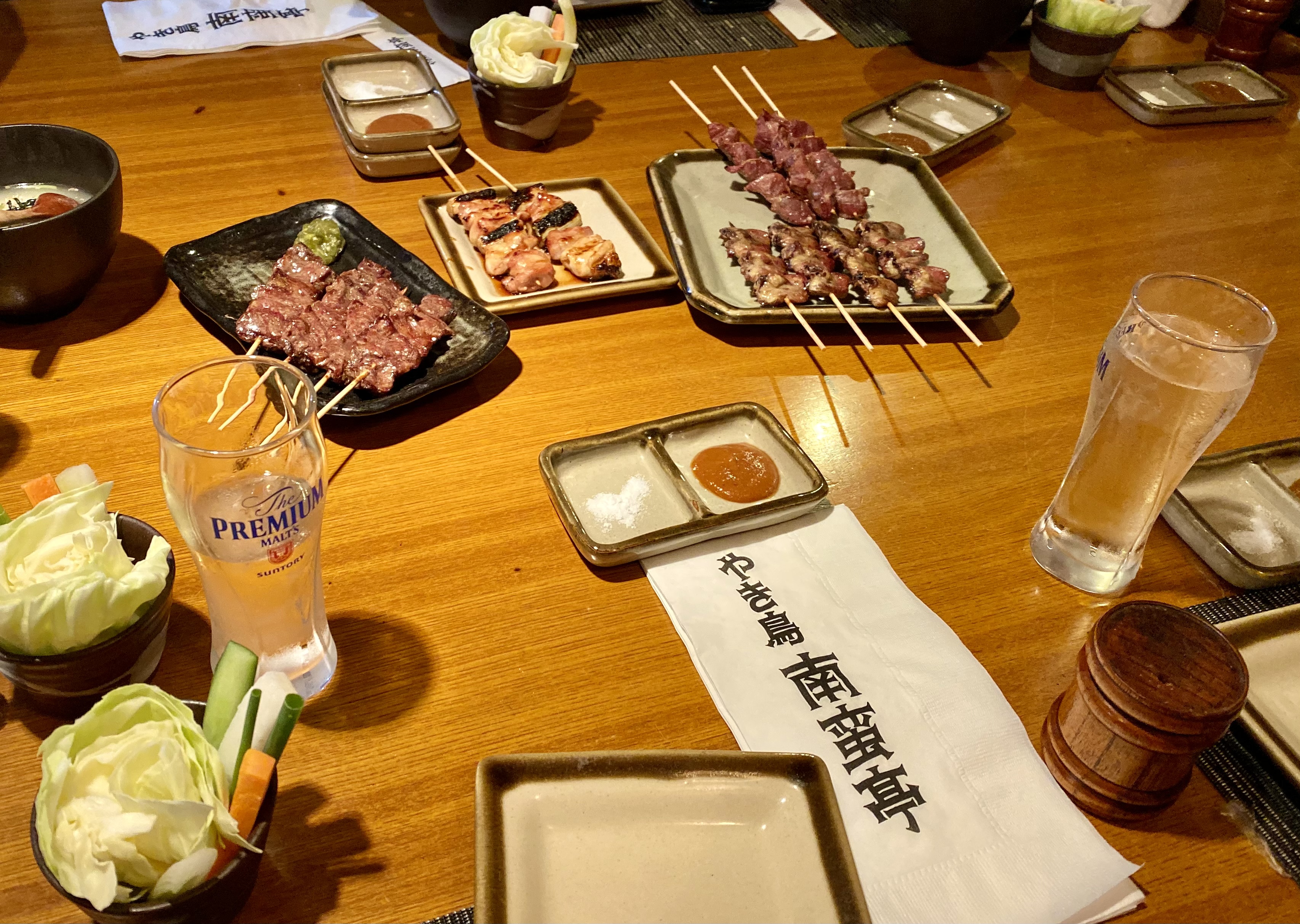
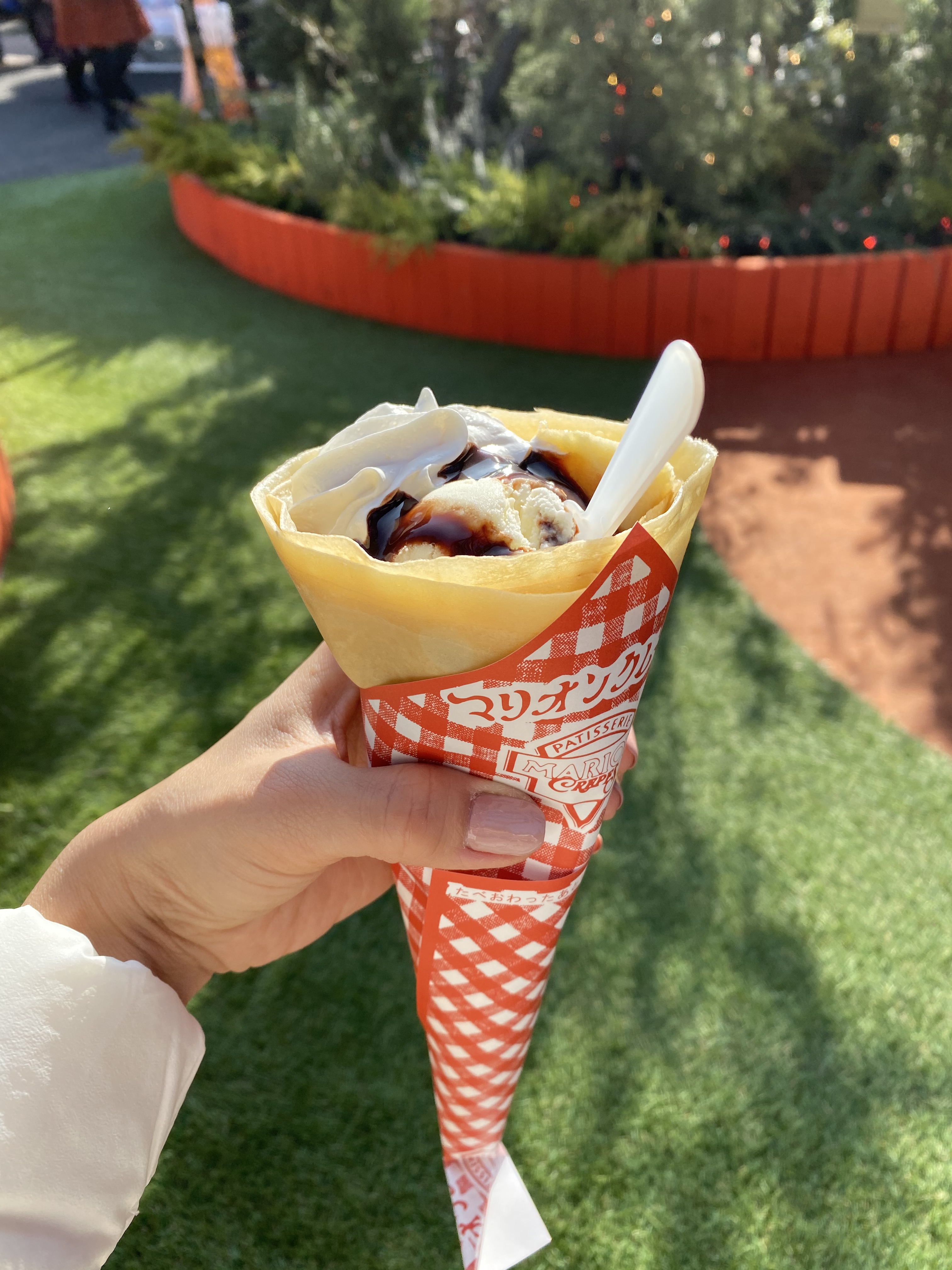
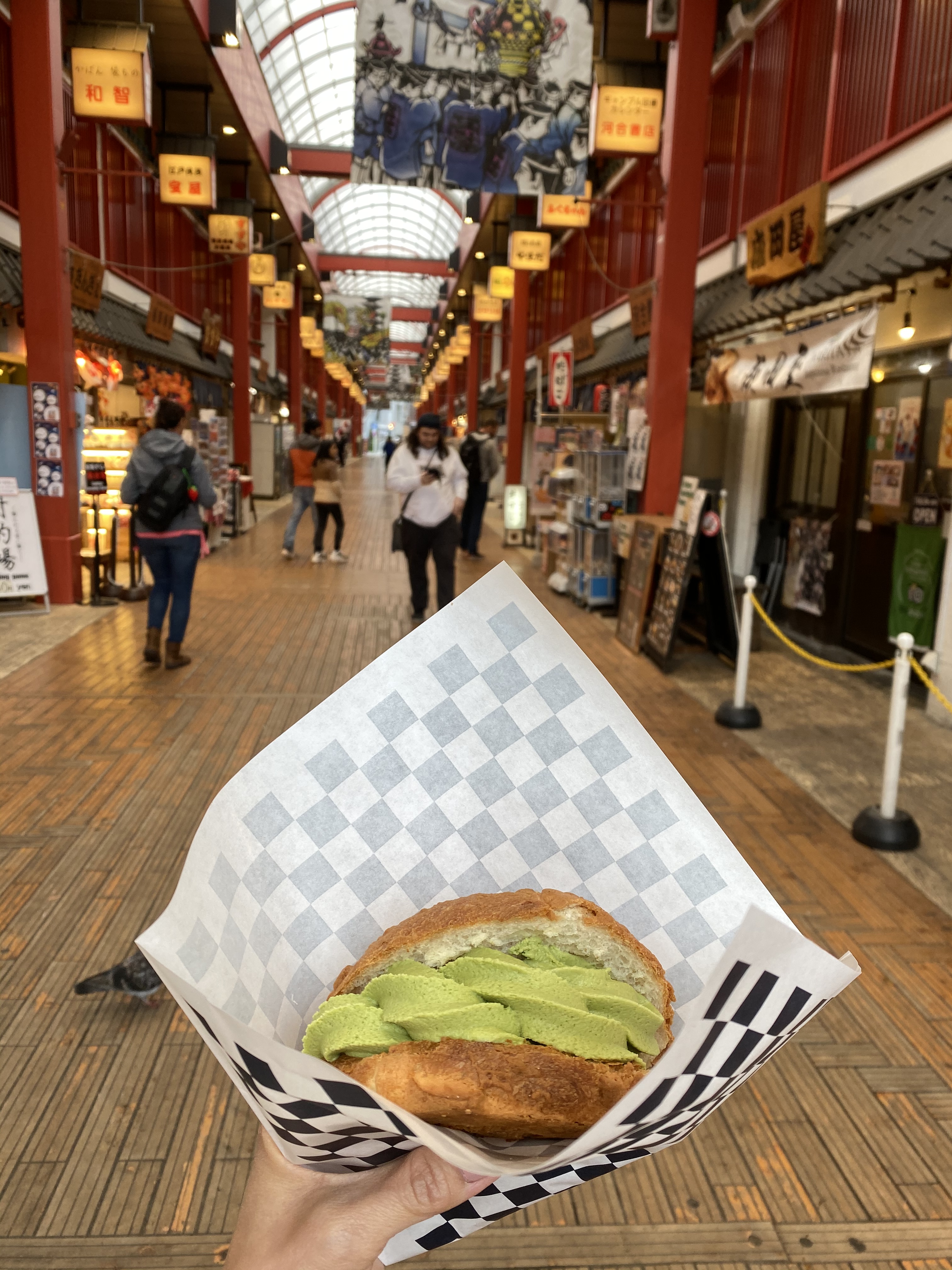
We spent only over a week in Japan and had a very big group, so it was not easy to make dinner reservations. We were turned away from some nicer restaurants because our group was so large that they couldn’t accommodate us. As noted in my Japan: What you need to know before visiting post, we mostly ate fast food during the day to save time. So in the evening, we had a variety of food at sit-down restaurants, but most of all, we ate BBQ (such as Yakitori Nanbantei), sushi and ramen! We especially liked ramen because it was so cold during our visit; it was also cheap and quick. At most places, you order from a machine, then they bring the food to you, such as the Ichiran ramen chain.. We also found a ramen place that opens 24 hours, and there was no server! We ordered from the machine, and then the food came out on a conveyer belt. Crepes and other Japanese pastries are a must-try. It’s also very interesting being able to buy not only cold but hot food and drinks from the vending machines on the street. Food prices in Tokyo is reasonably priced.
Souvenirs
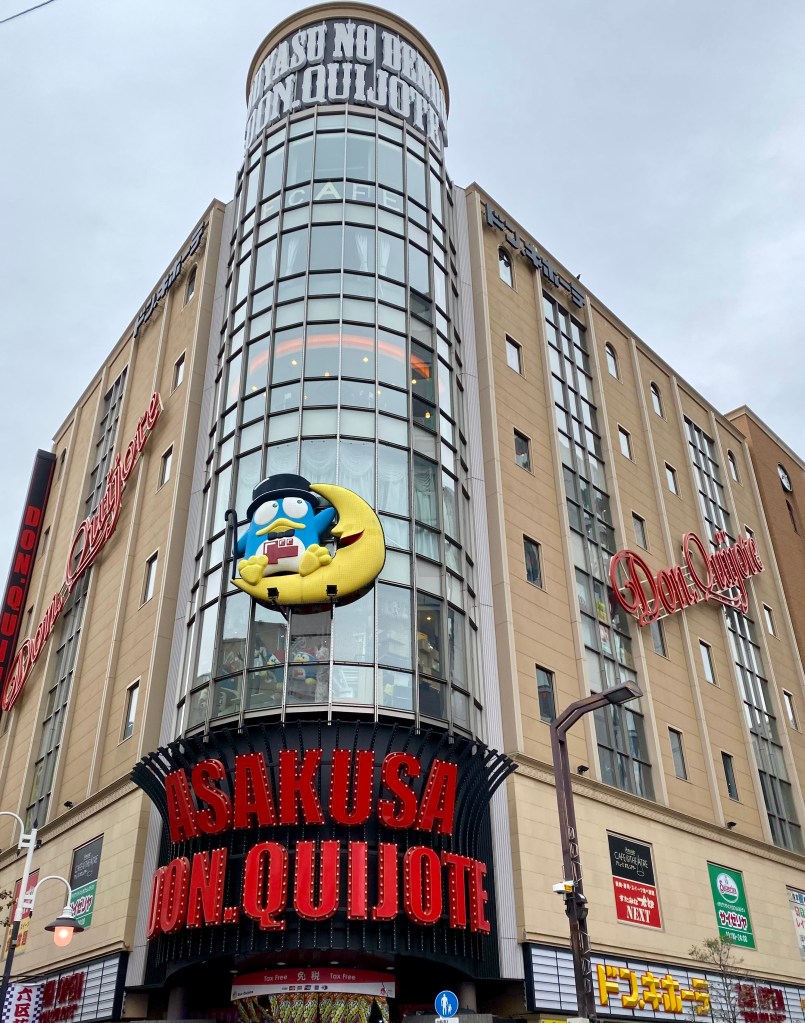
Don Quijote stores, often called “Donki” for short, is a well-known mega discount store chain in Japan that provides a wide range of products, from basic groceries to electronics and clothing. It is a great place to buy souvenirs, food (or anything! It seems to have everything!)
One of the most popular snacks to bring home is the Kit Kat chocolate bars. It is pronounced “kitto katto,” which sounds similar to the phrase “kitto katsu,” which translates to “good luck” or “definitely win.” As a result, Kit Kat has become a popular gift, and therefore Japan offers a variety of unique Kit Kat flavors, including a series based on unique foods and flavors found in cities and regions across Japan. And of course, you can find a wide range of Kit Kat flavors at the Donki stores.
Tokyo is said to be the biggest city in the world. With about 37.5 million population, adding millions of tourists to the scene, you can imagine it can get chaotic. Thankfully, there are a lot of places to visit and things to do, so it doesn’t get congested in one place. Above is only a partial list of recommended activities. As we only spent over a week in Japan, we of course didn’t get to explore all that Tokyo has to offer. But that is the more reason for us to return!

 Making Memories
Leave a comment