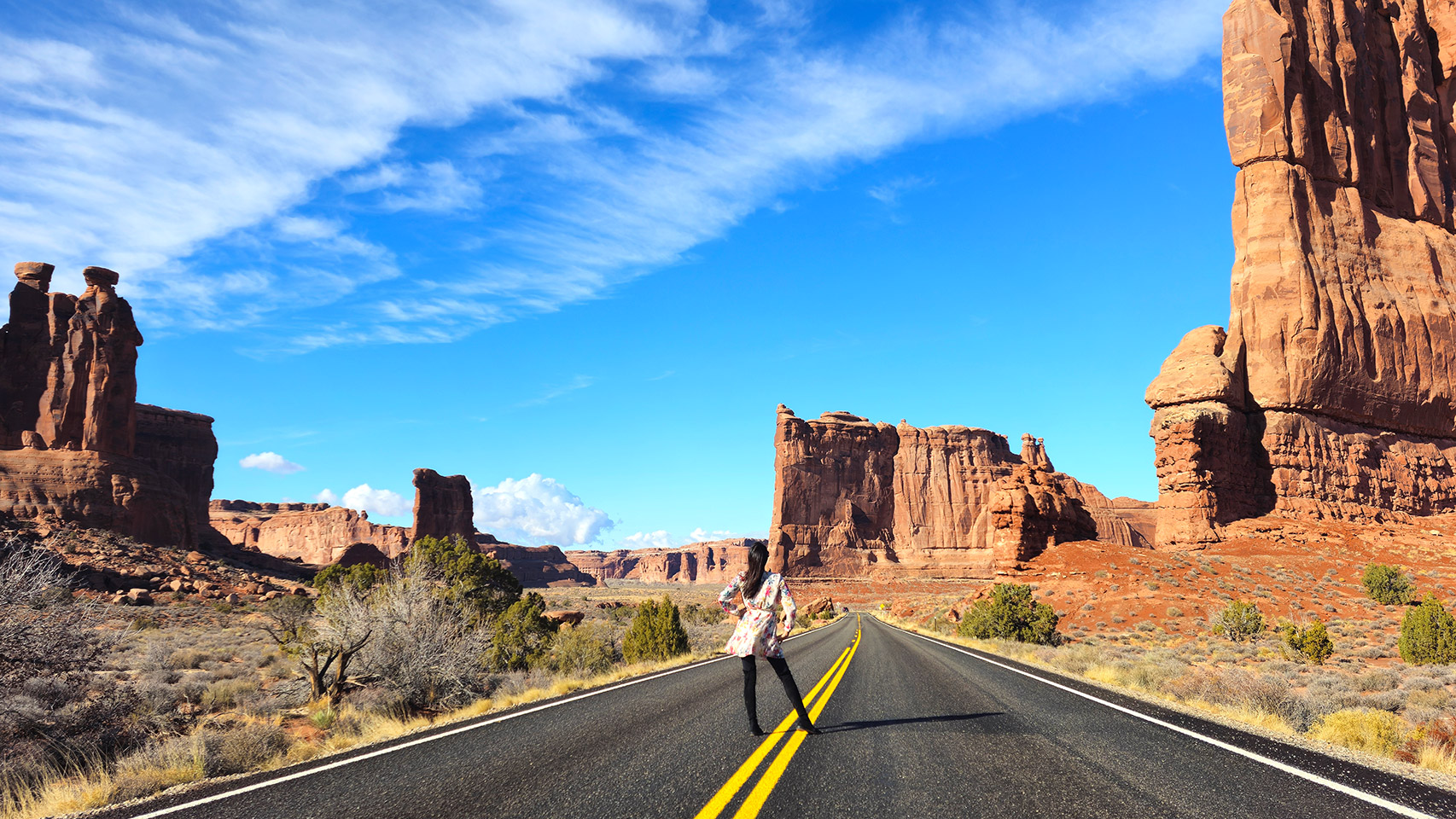
Continuing my travel chronicles in Iceland, we’ll explore further on the mystical landscapes, photography, food, travel attires and packing tips.
If you haven’t read the first article on Iceland, then please head over to Iceland, the Extremes (Part 1).
Language Barrier
Almost everywhere we went, most people spoke English. Although the signs and all the writings at the markets, or the checkout registers are in Icelandic, the workers were able to help us. There was a little language barrier in small towns when interacting with older folks, but all in all, we were able to navigate just fine.
This could be a good or a bad thing, depending on how you look at it. I learned zero Icelandic word during my visit… because I didn’t need to! Everyone understood me, and I understood everyone; no one even attempted to speak Icelandic to me. To be fair, being Asian, a lot of them assumed that we came from Asia and not America!! So the initial approach was sometimes funny. And to be honest, I couldn’t pronounce 95% of the signs even though they are written in Roman alphabet! I normally take the initiative to learn a few foreign words when I travel, but to be honest I didn’t even ask anyone how to say certain things in Icelandic, fearing I would butcher the language terribly! So in this sense, it was a failure on my part. The only time when I even tried to speak Icelandic was during our trip to the Bahamas, where we met a British family who lived in Iceland. They taught me a few Icelandic words, and this was many years before we even considered visiting. Life works in a mysterious way, doesn’t it?!
Driving
If you plan to drive, I advise you to fill up your tank when possible. The towns are spaced out, so ensure your safety by having a full tank. Use your common sense judgement while driving. If you’re caught in a snow or hail fall (which happens quite often) or it gets super windy, then find a safe place to park and wait it out. Weather in Iceland changes drastically and very quickly, so a hail fall may only last for about 5-10 minutes.
Food
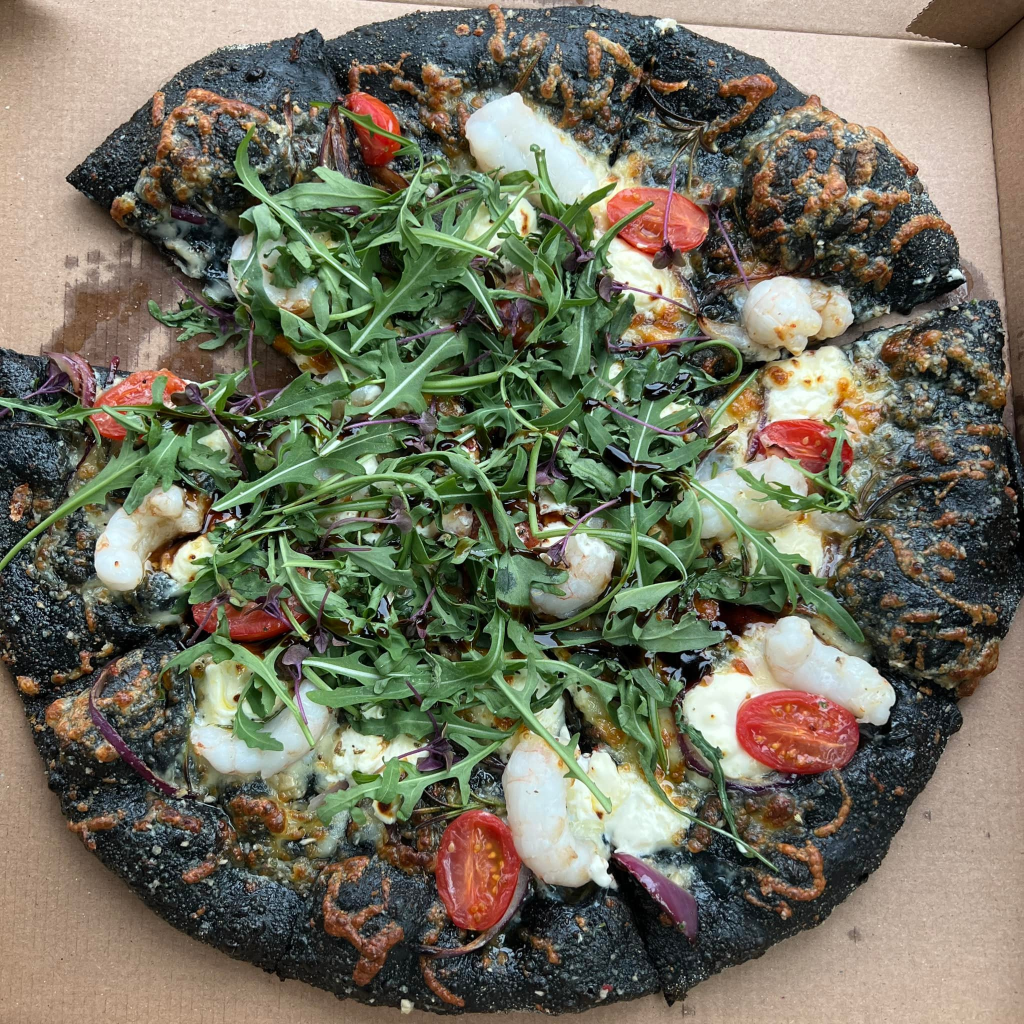
Overall, the food is expensive in Iceland, but it is fresh and tasty. If you like seafood, then you’re in for a treat; it is very fresh (we had cod and salmon). I also think it is best to stick with the local foods. We tried Thai food (with very high ratings) in Reykjavík, but it wasn’t good at all! We tried Chinese food in Vík (Wok On) where you pick the ingredients and they cook in front of you. It was much better but not the same quality as what you get at the many Chinatowns! Regardless, being Asians, we were glad there were Asian food options. The tastiest thing we had there was the charcoal seafood pizza – it was as described: the dough was mixed with activated charcoal; hence, it was black. And instead of the usual pepperoni or sausage, we had seafood as toppings. (It is believed that activated charcoal can help with indigestion and reduction of cholesterol.) Our scrumptious charcoal pizza was from Black Crust Pizzeria in Vik. It was so good that we ate it once when we were in Vik and again on the way back to the capital to catch our flight.

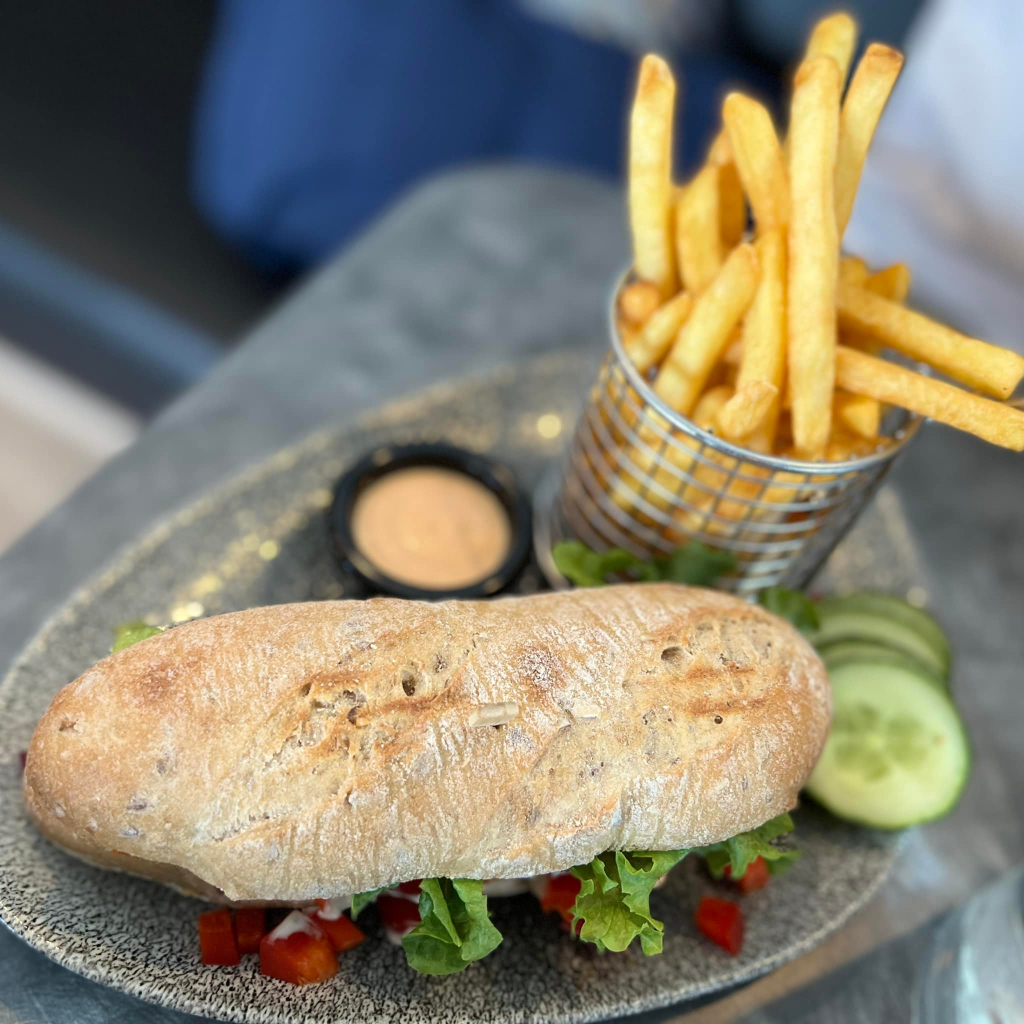
Another not-to-miss food you should try is the langoustine. We had langoustine baguette at a place called Hafnarbúðin, and it was the best prawn/lobster roll we’ve ever had. The price was reasonable and the vibe was laid back.
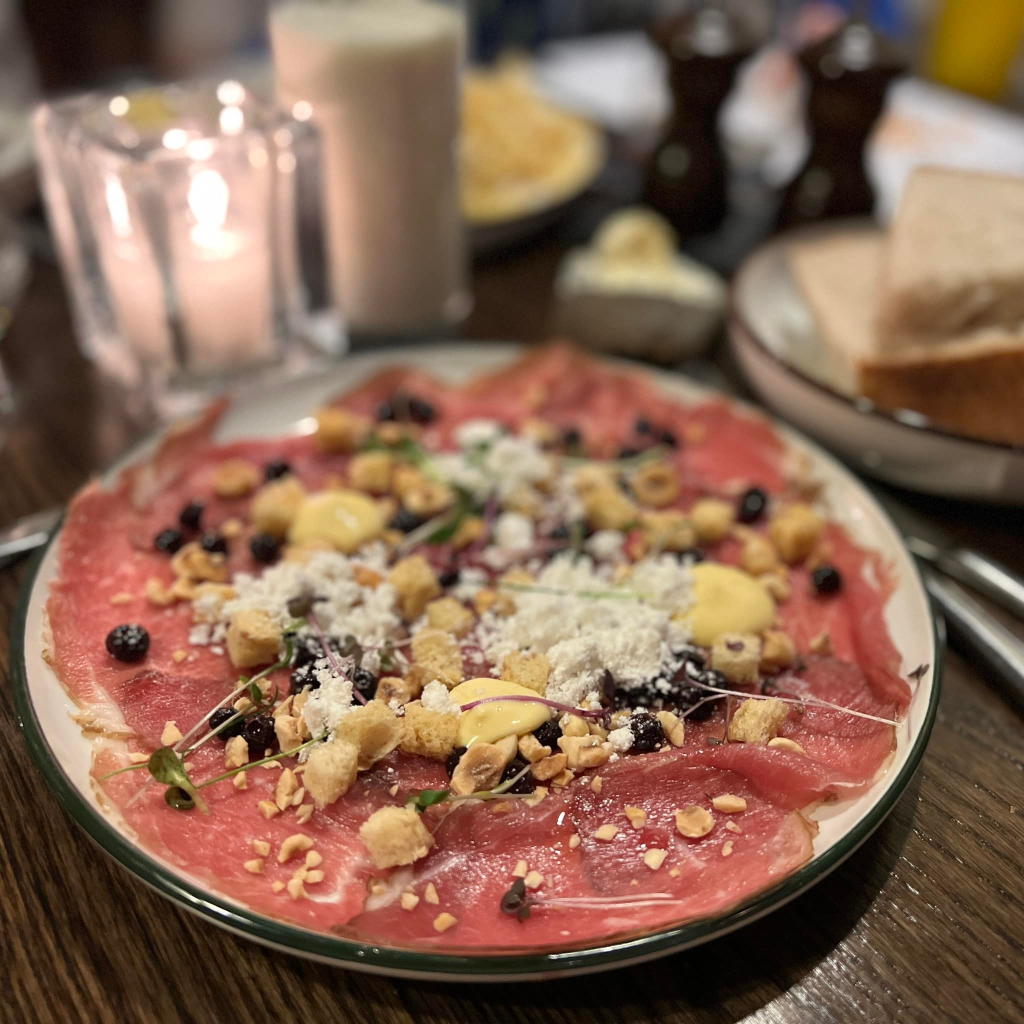
Another interesting dish to try would be the Sheep carpaccio. I mean we’ve had fish and beef carpaccio, but sheep carpaccio? That’s an item we have never seen in any menu before. The dish was delicate and fresh enough to consume raw. We tried this at Fosshotel Glacier Lagoon during our stay there.
And as noted in part 1, it’s better to find a hotel that offers breakfast. For days when there was no complimentary breakfast offered, we bought simple food at the market. Even so, the foie gras pâté costed like 40 USD for a small block! Instant ramen costed a few dollars per bag, and the selection was limited. So if you know there will be days when you have no complimentary breakfast, and you have space in your luggage, then I suggest you bring a few dry goods along to save yourself a few bucks!

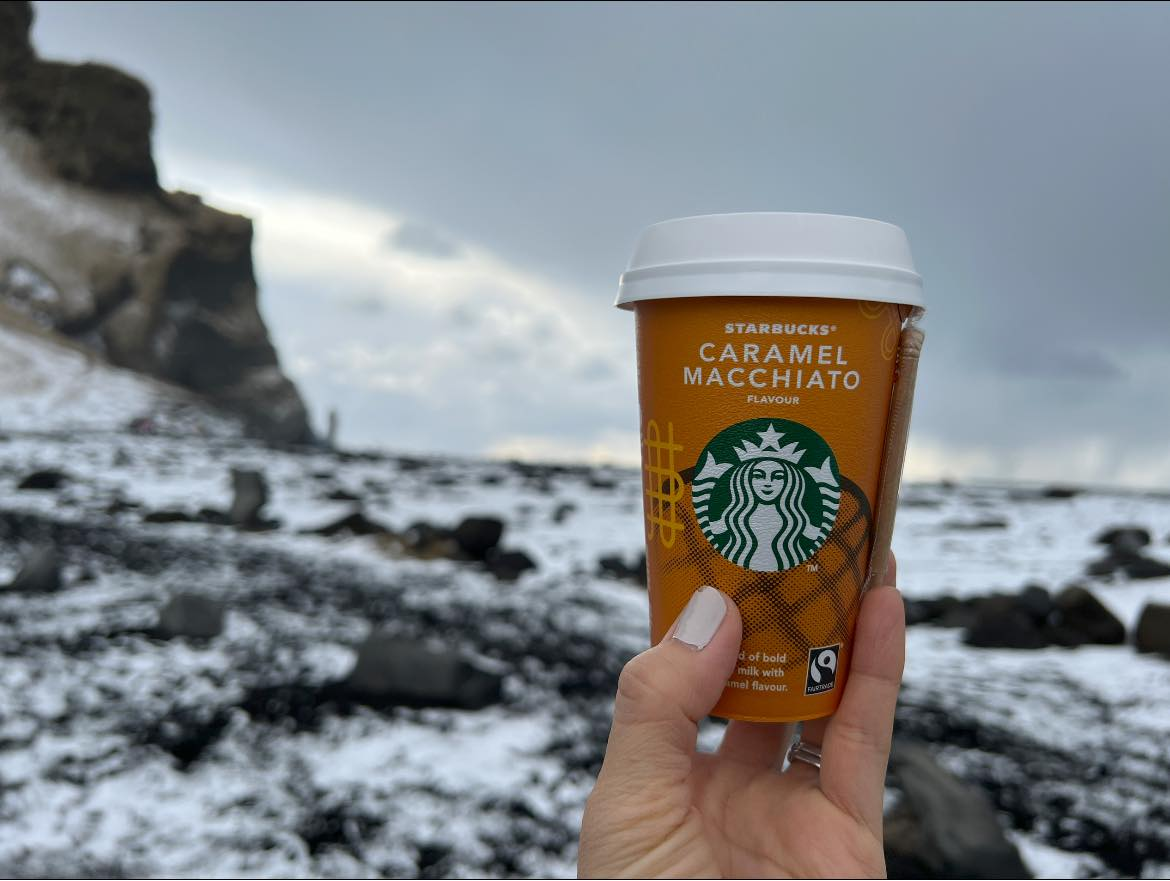
If you’re a Starbucks fan, then you may be disappointed that there seems to be no Starbucks in Iceland! However, there are a few premade Starbucks items sold in the market/convenience store. There are a few other popular American-brand fast food chains but mostly in the capital only.
Wildlife

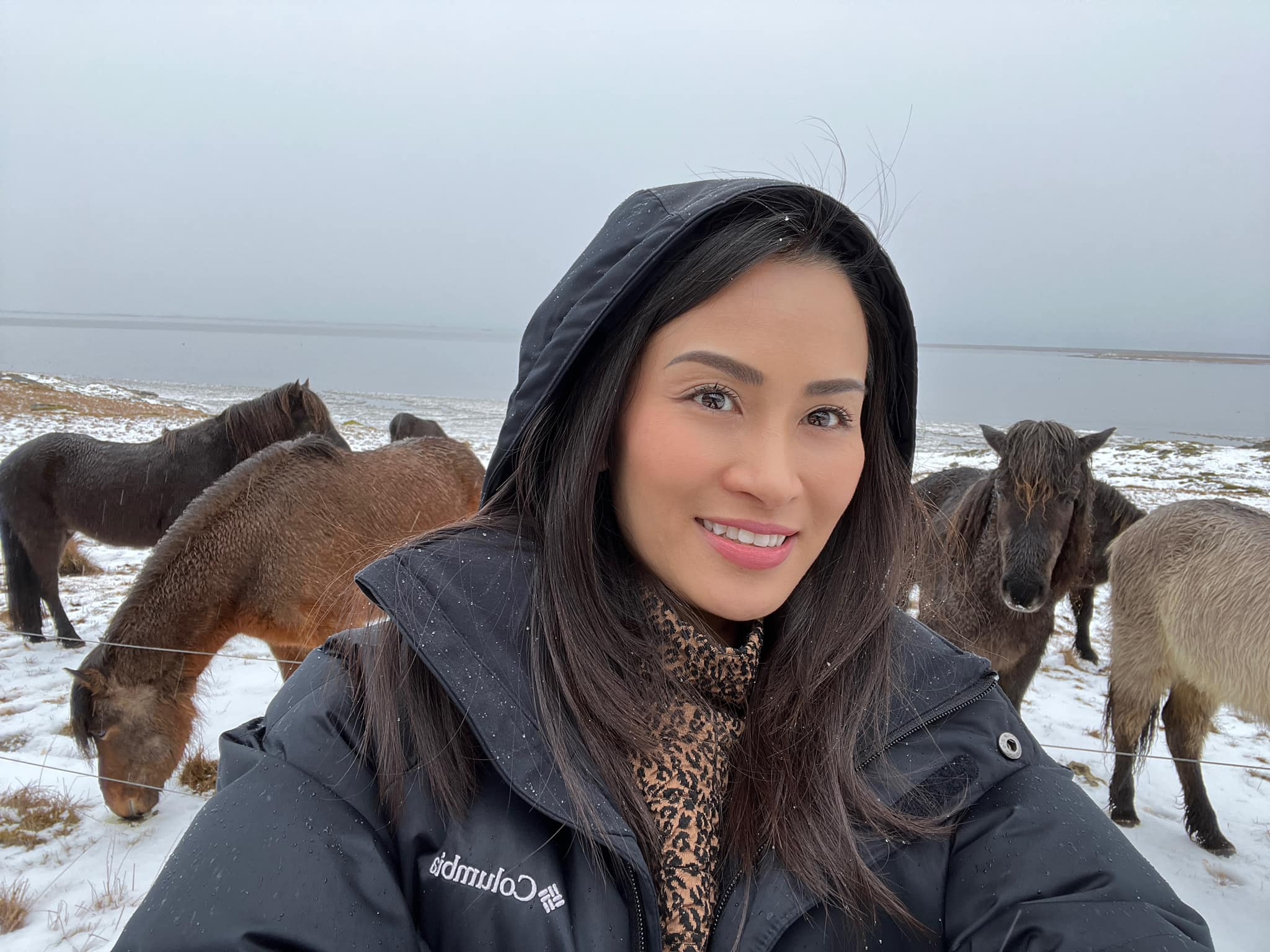
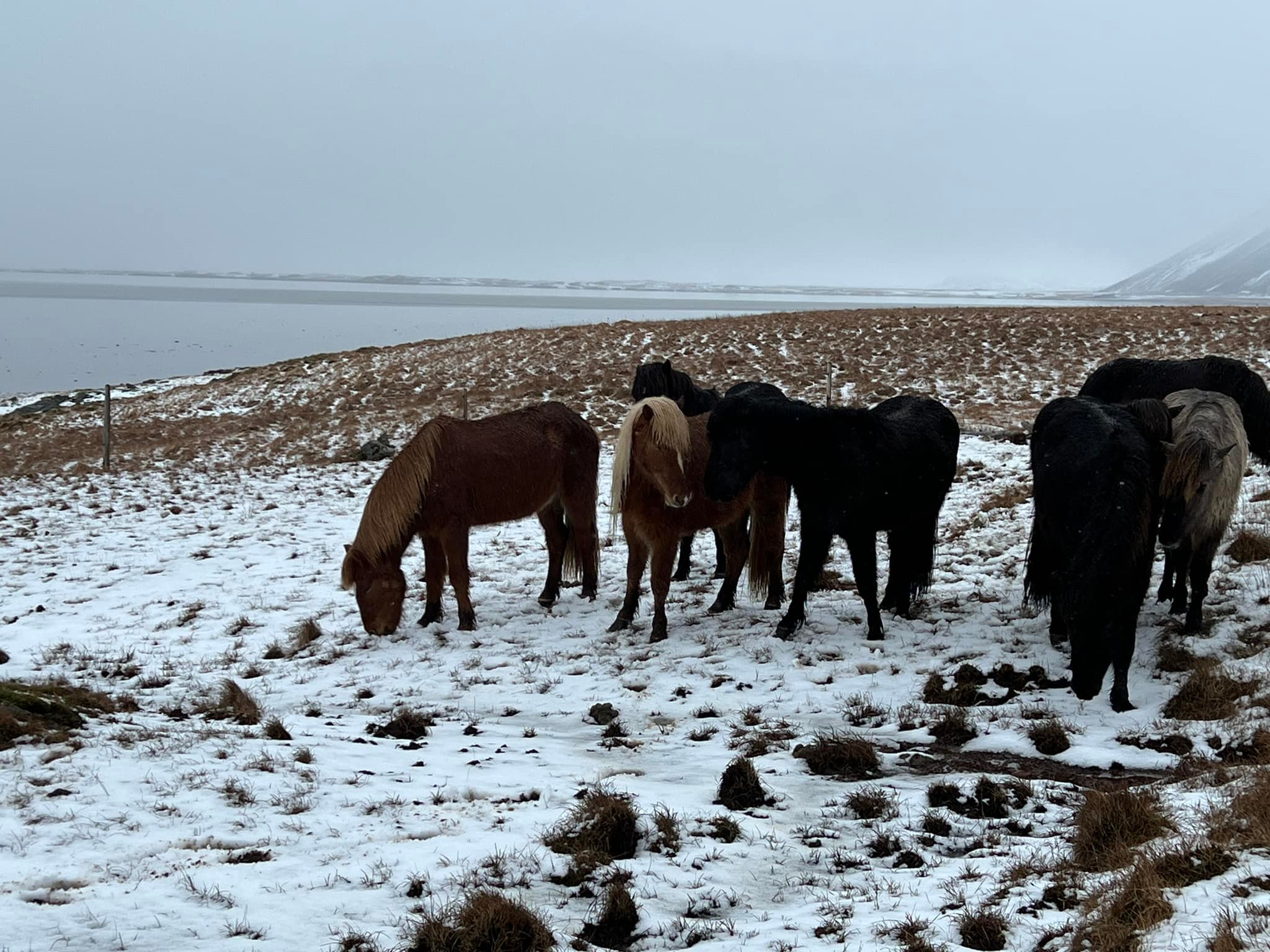
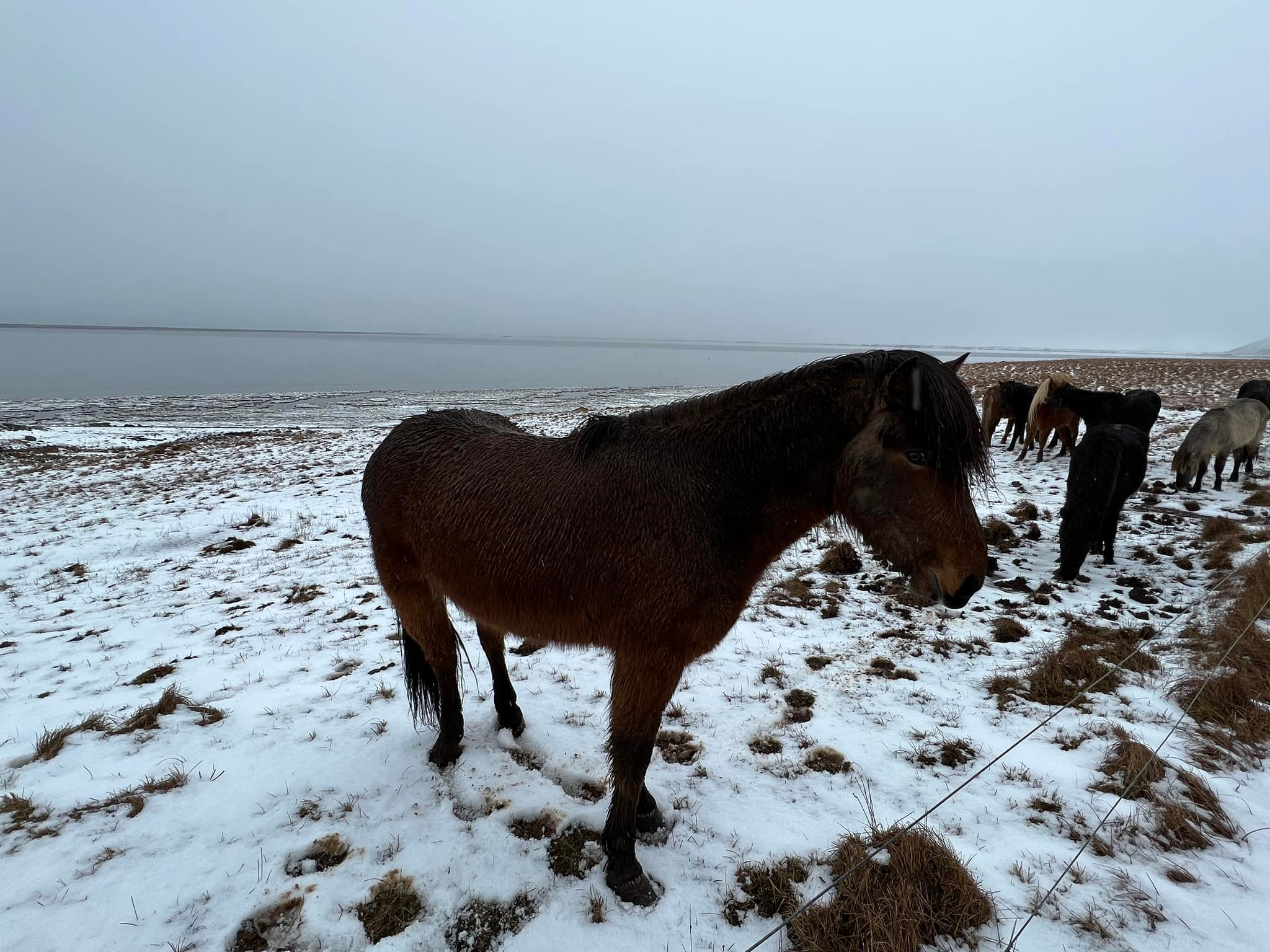
We didn’t see much wildlife during our visit, but we were lucky to encounter Icelandic horses on our way to Höfn. On that note, Icelandic horseback riding is a popular activity. There are many tours offering horseback riding through the rolling Icelandic countryside on a Viking steed just outside Reykjavík. We personally didn’t take this tour due to time-constraint, but would totally consider it the next time we visit.
Another one-of-the-kind activity to be considered is Husky dog sledding. It’s one of those Viking activities that you could only experience in places near the Arctic circle.
Photography
By photography, I mean people photography and how you could dress to enhance the photos better. By no means I’m giving technical advice on how to take photos. Perhaps I’ll ask my husband to share some photography tips in a future post. All of the photography I do is with the iPhone (in which some friends have asked if I could share some tips on taking good photos with the phone, after seeing some of my photos). This topic is to be considered, as to be honest, I’m not sure if I’m any good at it myself! But now, back to the topic at hand…
Landscape photography in Iceland isn’t hard – and by this, I mean that the sceneries are crazily beautiful by themselves, every angle is magnificent. The landscape is just surreal, like nothing you’ve seen before. But how to further enhance such beauty with your presence in it?!
Let’s be frank: it’s just hard to look good and pose all covered up in snowsuits and bulky insulated jackets. Those outfits may be nice enough for candid photos. But if you aim for more artistic or hang-on-the-wall worthy photos, then carefully planned outfits are a must – simply because it is just too cold! It requires sacrifice for the love of art/photography, really! There’s no other way around it, you need to bear the cold!!
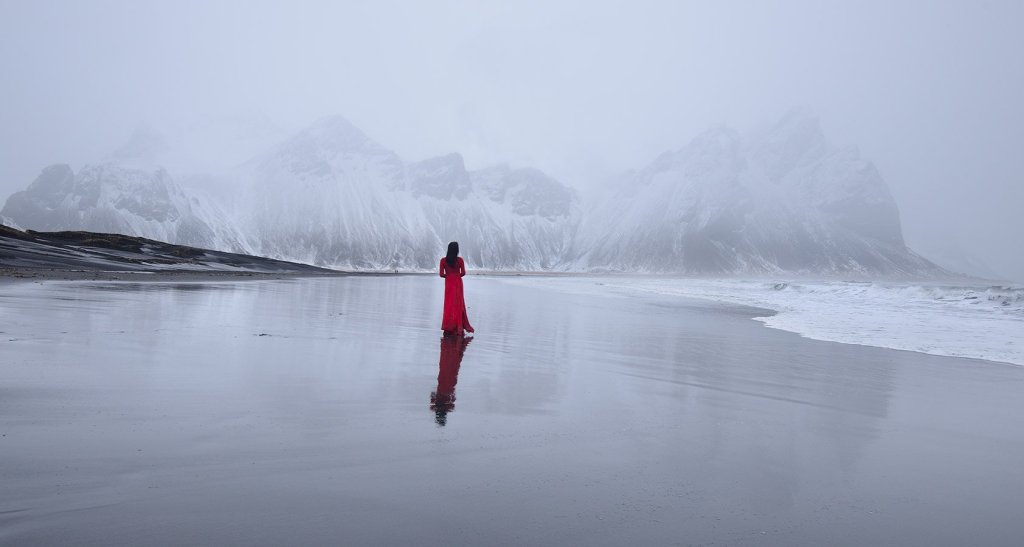
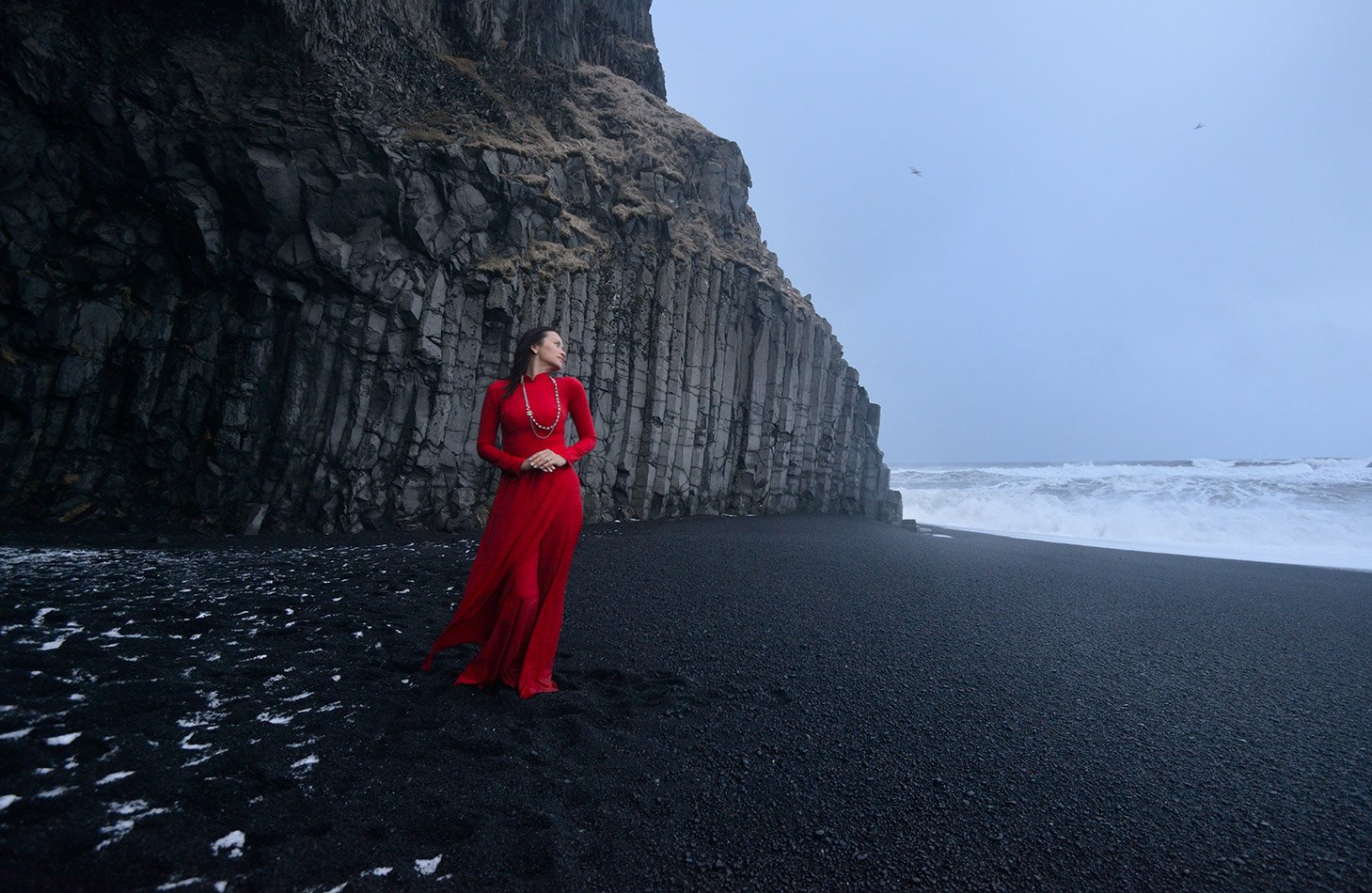
The advantage of visiting during the Winter, there are less tourists so you mostly have the place to yourself. So if you’re up for a photoshoot, then this would be the place! Bring along your best outfits. Since it’s mostly windy, flowy dresses would be awesome. I decided to dress in our Vietnamese traditional dresses, and let me tell you… they are thin!! They are very form-fitting (like a glove) to it’s hard to layer anything underneath. You don’t see it in the photos, but I managed to squeeze in a thin layer of thermal shirt and pants under my dress. I was also wearing my thigh-high boots. To have a successful photoshoot without getting sick is to have a thick coat nearby so you can cover up in between sets of photos. Having heat packs handy is also a good idea. Have your photographer finish adjusting the camera, composition and everything before you take off the coat to pose. If it gets too cold then take frequent breaks in between to cover yourself or get in the car to warm yourself.
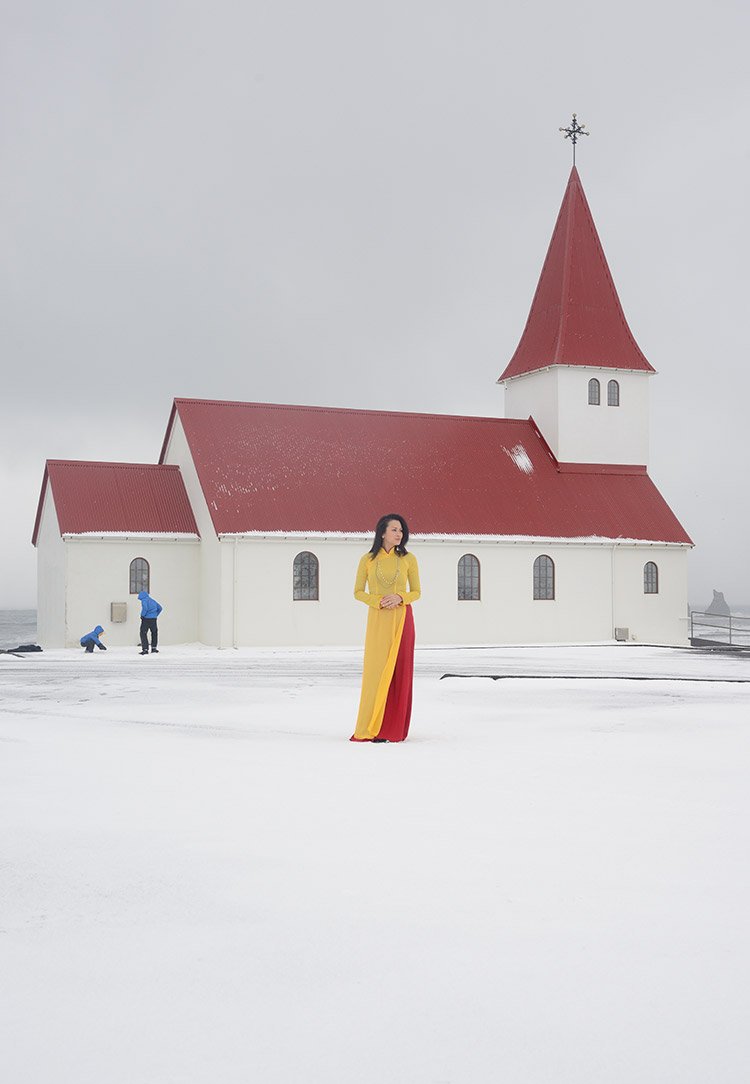

As the sceneries in Iceland in the Winter are mostly in black and white, I suggest that you dress in colorful outfits to bring out the contrast.

What to wear?
I originally intended to write a section on what to wear and how to pack for Iceland. However, upon writing it, I feel it deserves its on own article. Therefore, please see Packing Tips for Fall & Winter for tips on what we packed for our trip. The most crucial items to bring are: thermal wear (shirt, pants, tights, socks), one or two nice insulated/waterproof coats/jackets, accessories to keep warm such as hat/beanie/gloves/scarf, and waterproof shoes. I also recommend bringing snow suits as well – even if you don’t intend to do any skiing! Snow suits keep you dry and warm.
Laundry
Most home rentals/Airbnb do not have washer and dryer. There are a few we found that provided washer and dryer, but very few. There are no self-service washer/dryer at the hotels either. Some hotels have laundry service. We only needed to use it once during the trip, at Fosshotel Glacier Lagoon where laundry is charged by the bag, not by weight. We stuffed the bag with only the necessities for the remaining days on the trip, handed to the receptionist and it was ready the next day to be picked up at the reception.
Given the situation, there was no place to dry our wet clothes, and there was hardly any sun at all to help dry the clothes (from part 1, our kid was engulfed in the huge wave at the black sand beach). We literally had to use the hair-dryer to dry some of the wet clothes and shoes. If your room has the heater unit, placing clothes on it does help.
Last words
If you’re looking for a unique adventure, then Iceland can be your ideal destination. Just being so close to the Arctic excites me already, let alone everything else the country has to offer. The people are kind, the roads are easy to navigate (at least along the South coast), attractions are very accessible. The landscapes are out-of-this world, and it is one of the few places where you have a higher chance of seeing the Northern Lights (if that is on your bucket list!)
Through our experiences shared in these 2 posts, I hope you are more encouraged to visit this beautiful country and come to understand why it deservingly became such a hype!
For more tips before visiting Europe in general, have a read 10 things to know when visiting Europe. And as they say in Iceland… until next time, Sé þig seinna!
 Making Memories
Leave a comment