As noted in the “10 things to know when visiting Europe”, and counting the trip I took during the past summer, I have visited Europe about 7 times now. Yet, there isn’t an article on any destination in Europe yet. I have been contemplating on which European country I should write first. After much thoughts, I have decided on Iceland!!
From being an Astronaut training site, tourism in Iceland began to grow starting in 2010 following the April 2010 eruption of the Eyjafjallajökull volcano. Even though the hype seems to die down a bit now, with its mystical landscapes, Iceland remains as one of the most interesting places to visit. The basalt rocks and volcanic geology of Iceland’s barren highlands were believed to be the most moon-like; hence, it was chosen to be the training site for the Apollo missions. True to the words told, the Nordic icy views are like nothing you’ll see anywhere else on Earth!
Even if you have never planned to travel Iceland or looked up photos of its natural beauty, you may have seen sceneries from Iceland without realizing! Many Hollywood movies have been filmed here, such as Die Another Day, A View to a Kill, Batman Begins, Lara Croft: Tomb Raider, and Game of Thrones.
Best time to visit
(Note that at the time of this writing, some attractions in Iceland are closed due to possible volcanic and earthquake activities. Check Iceland’s Safe Travels website for up-to-date news.)
When to visit Iceland depends on your travel goals and also your tolerance for cold climates. Generally, the best time in terms of longer daylight hours and warmer weather would be the summer months from June to August. The summer days are so long that you’ll get to experience the spectacular midnight sun! The summer also boasts green countryside and animal spotting. However, note that there will be more tourists during these popular months!
If your goal is hoping to see the Northern Lights (aurora borealis), then the colder months from September to March would give you higher possibilities, typically peak during the equinoxes. We follow the kids’ school schedule so we visited in March during Spring Break.

We haven’t visited Iceland during the summer, but the Icelandic sceneries during the late winter were out-of-this-world!! The gloomy winter skies accentuate the mystical landscapes perfectly. If you can withstand the cold temperatures, then I highly recommend a visit during the winter months.
Note that the weather in Iceland can change unexpectedly and very rapidly. The weather could be stormy one minute, then 5 minutes later, it looks as though nothing has happened; and vice versa! Therefore, don’t be discouraged if you see a storm pouring in. Just endure it for about 5-10 minutes! It is advised to dress in layers and have an extra layer ready just in case. My motto is better to be over-prepared than under-prepared!!
Airport
There are 2 international airports in Iceland: Keflavik International Airport (KEF) in Reykjavík and Akureyri Airport (AEY) in Akureyri. KEF, located in the southwestern part of Iceland, is the largest airport in Iceland, and serves most of the international tourists. There is only one terminal, but it provides all of the services you need such as rental car, pocket Wifi rental, currency exchange, a small convenient store, duty-free shops, etc. It is open 24 hours/day.
AEY is located in the northern part of Iceland and is the best hub for exploring the Arctic Coast Way. If you want to explore both the southern and northern part of Iceland, then I recommend you to travel by air between the 2 regions since the flight between Reykjavik and Akureyri is only about 45 minutes, comparing to a 6-hour-drive. Especially when the weather in Iceland is quite unpredictable, you don’t want to risk being stuck on the road. AEY is only open daily from 7 a.m. to 11 p.m. As of the writing of this article, only 3 airlines operate at this airport:
- Niceair: Denmark (Copenhagen), England (London), Greenland (Nerlerit Inaat), Spain (Tenerife)
- Norlandair: Grímsey, Vopnafjörður, Þórshöfn
- Icelandair: Reykjavik
Accommodation
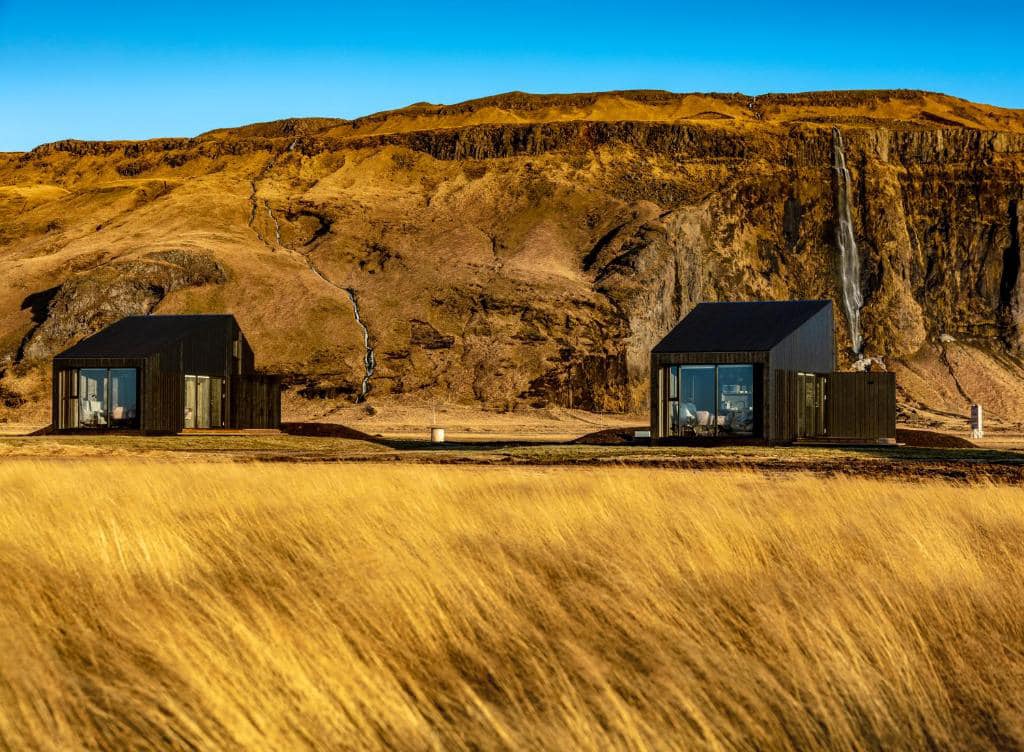
A quick search on Airbnb shows many options for apartment, cottage or cabin rentals in the popular cities. However, as we were constantly moving (1 or 2 nights per place), we found staying at hotels/inns more convenient and affordable. Airbnb charges cleaning fees in addition to Airbnb service fee, so we don’t think it’s more economical if staying only for 1 night. Except for one lodge, all of the hotels and inns that we stayed offered very delicious breakfasts, surely more generous with larger range of selections than the typical American continental breakfasts. Dining in Iceland is expensive, so having complimentary breakfasts was very helpful.
Some hotels would also leave the juice machines running and the coffee/hot-cocoa station open, so you can help yourself any time of the day, not just during breakfast. Most American hotels/inns do not provide this simple gesture, so I thought it’s important to note!
Transportation
Iceland has no train, and the other public transportations like the bus are typically only available within the city limits. Therefore, renting a car is highly recommended if you want to explore the country.
The roads are safe and in good condition. With extreme weather, roads can be closed for safety purposes. You can check the Icelandic Road and Coastal Administration English website for alerts and announcements. If the mountain roads are closed, then perhaps consider the coastal route. On our second day in Reykjavík, we were caught in a storm when the wind speed was up to 60 mph, and all in-land roads to Vik were closed. We managed to use the roads along the coast (slower route) to reach our destination.
What to see and do?
Due to the limited time and the weather conditions in March, we chose to explore the Southern coast of Iceland only.
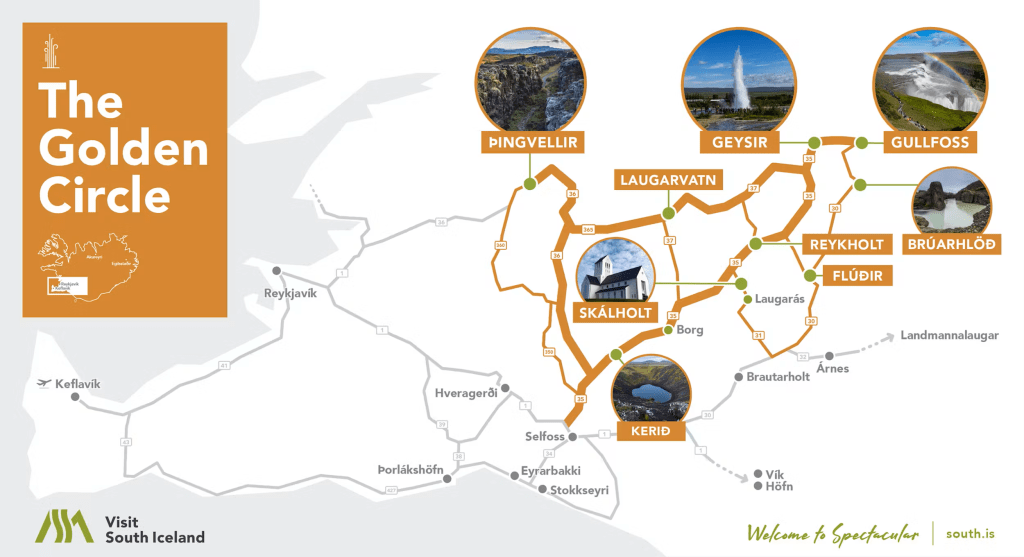
The Golden Circle
The most famous scenic route in Iceland is easy to do from Reykjavík. It is an efficient way to see the most famous attractions in the southwestern part of the country. The route is approximately 250 km roundtrip from Reykjavík. Most popular sites include Gullfoss, Geysir, and Thingvellir National Park.
Waterfalls
If there’s one thing that Iceland has a lot of, it must be the waterfalls!! There are a lot of waterfalls!! It seems like there’s a stunning waterfall at every turn! Estimates say there may be as many as 10,000 waterfalls in Iceland!
Foss is the Icelandic word for waterfall, and you will sort of figure this out from the names of the waterfalls! Here’s the map of some of the most famous waterfalls in Iceland.
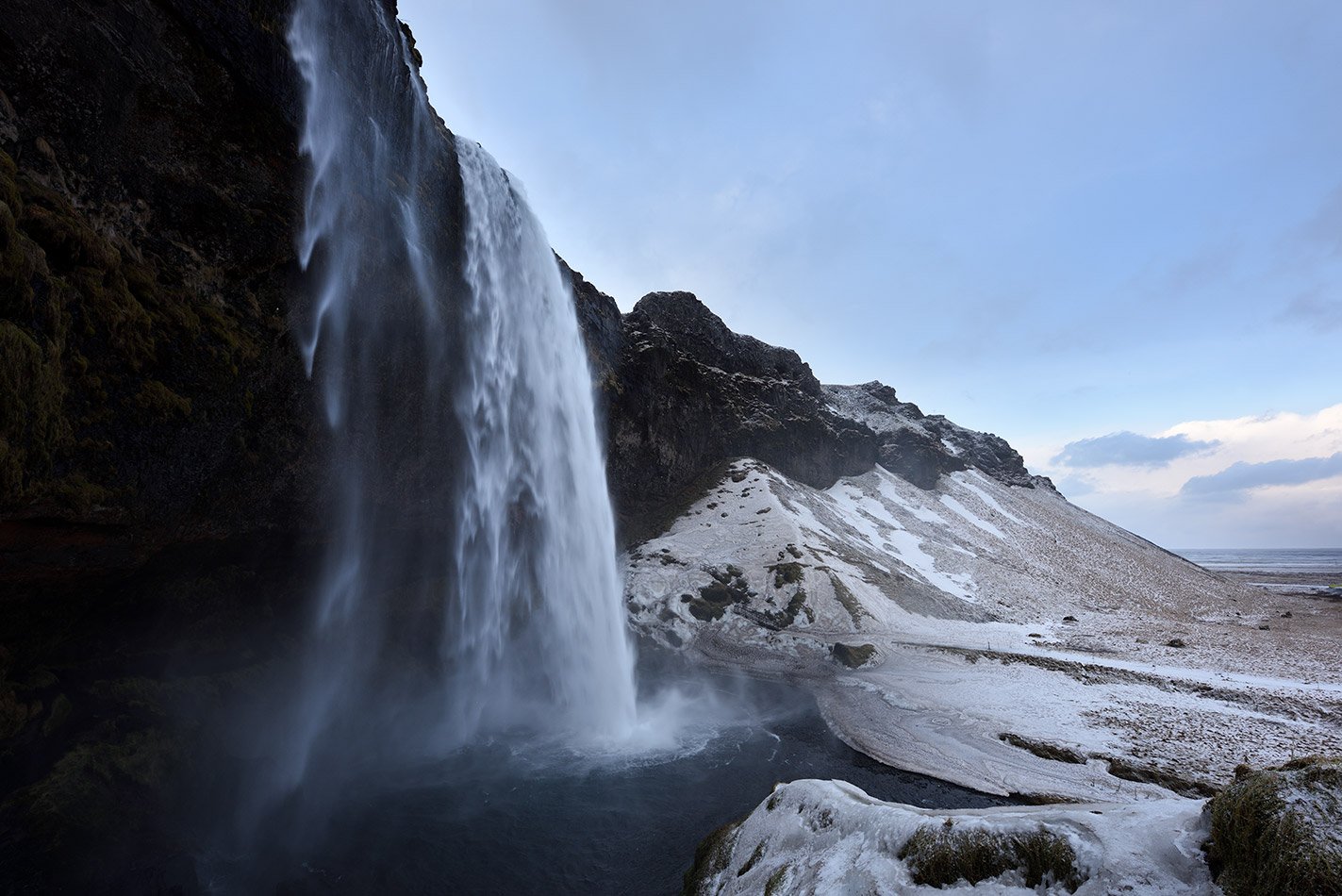
Seljalandsfoss is considered one of Iceland’s most picturesque waterfalls and is essential to experience when visiting Iceland.
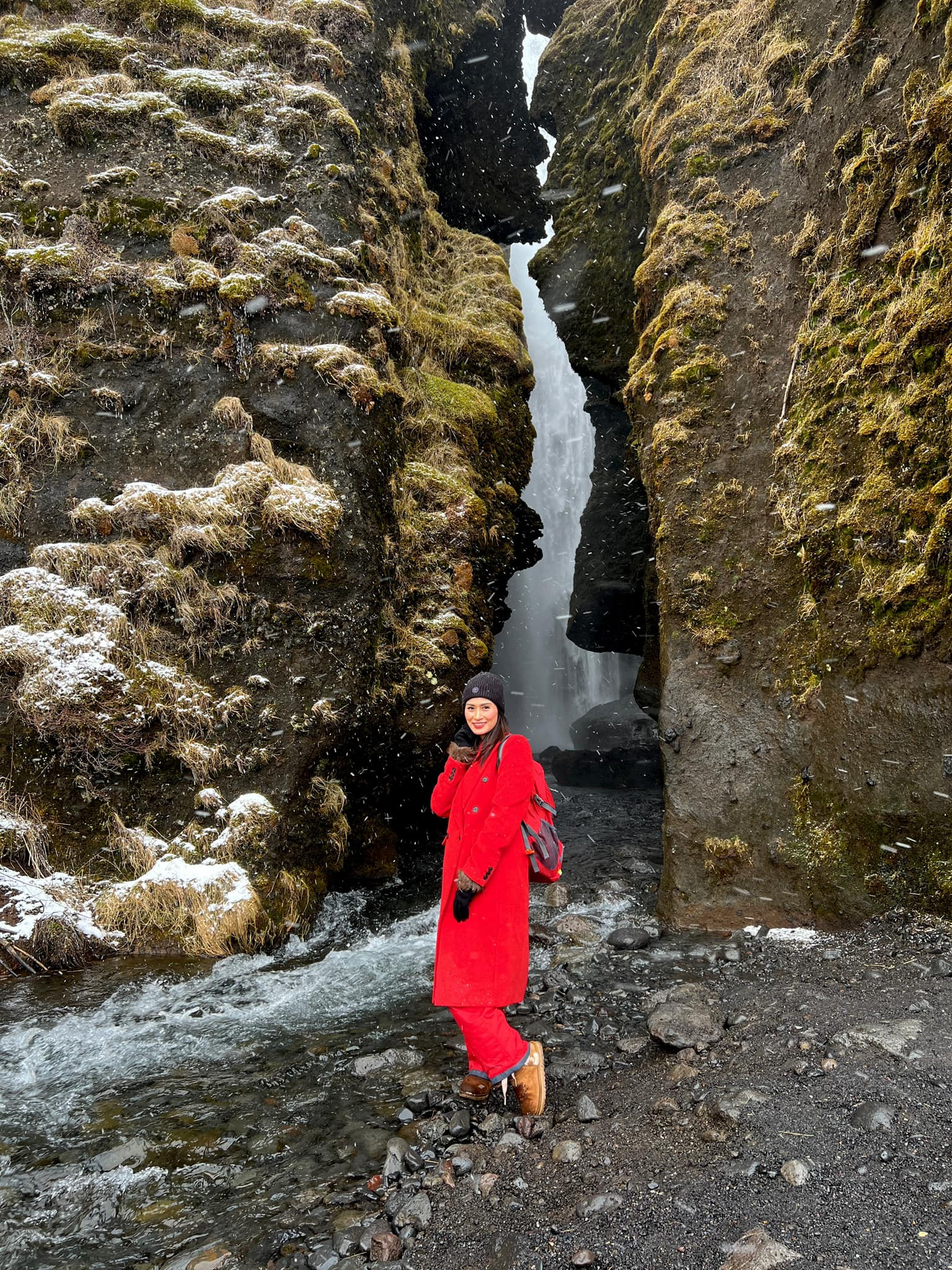
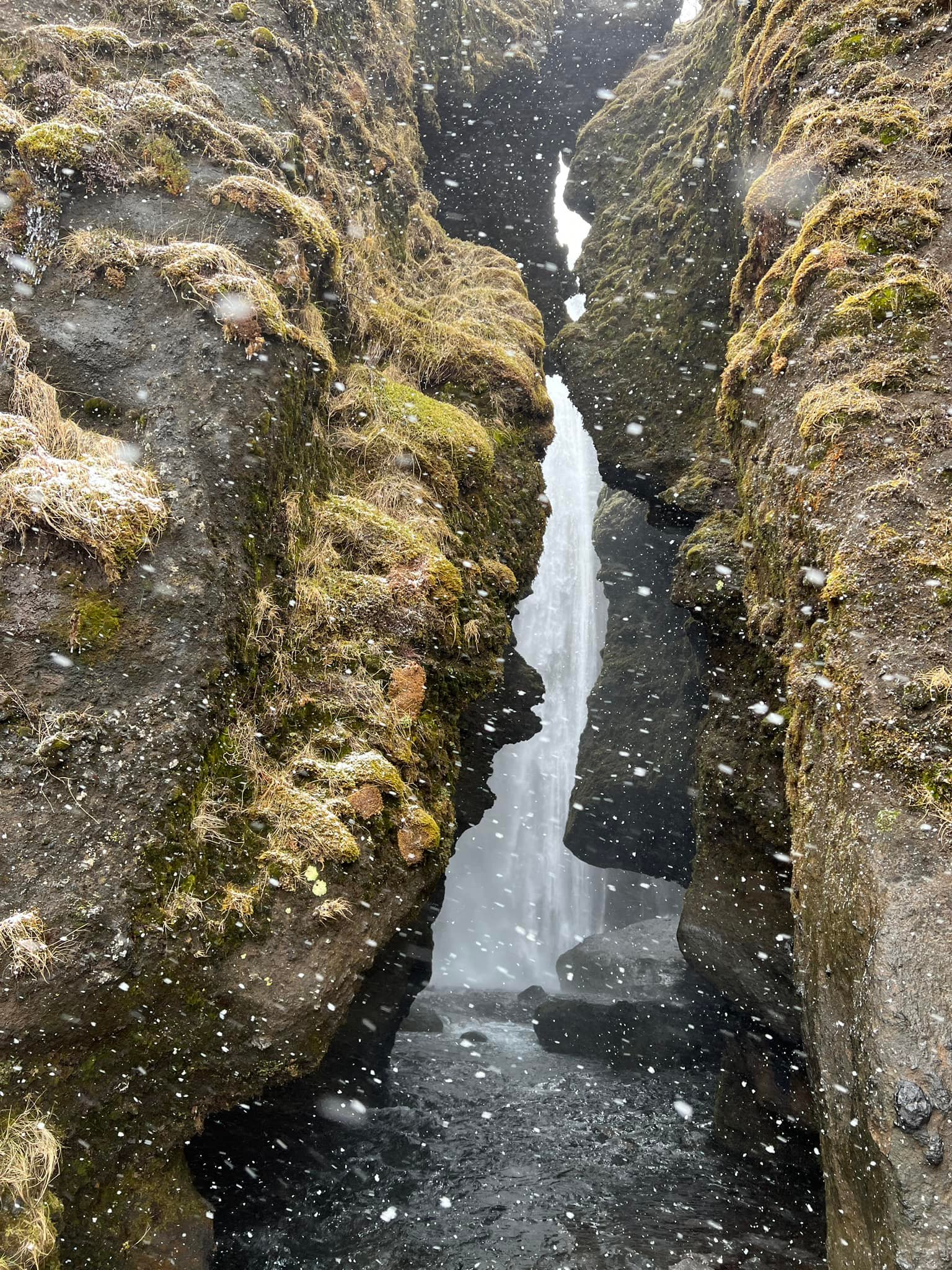
Gljúfrafoss is a small waterfall north of Seljalandsfoss, hidden behind a narrow slot canyon. If you’re not afraid to get wet, you can walk close to the fall behind the canyons. As seen in the photos, it was snowing (almost like hail) and extremely windy, so dress properly, and ensure you have a change of clothes since you’re likely to be wet.
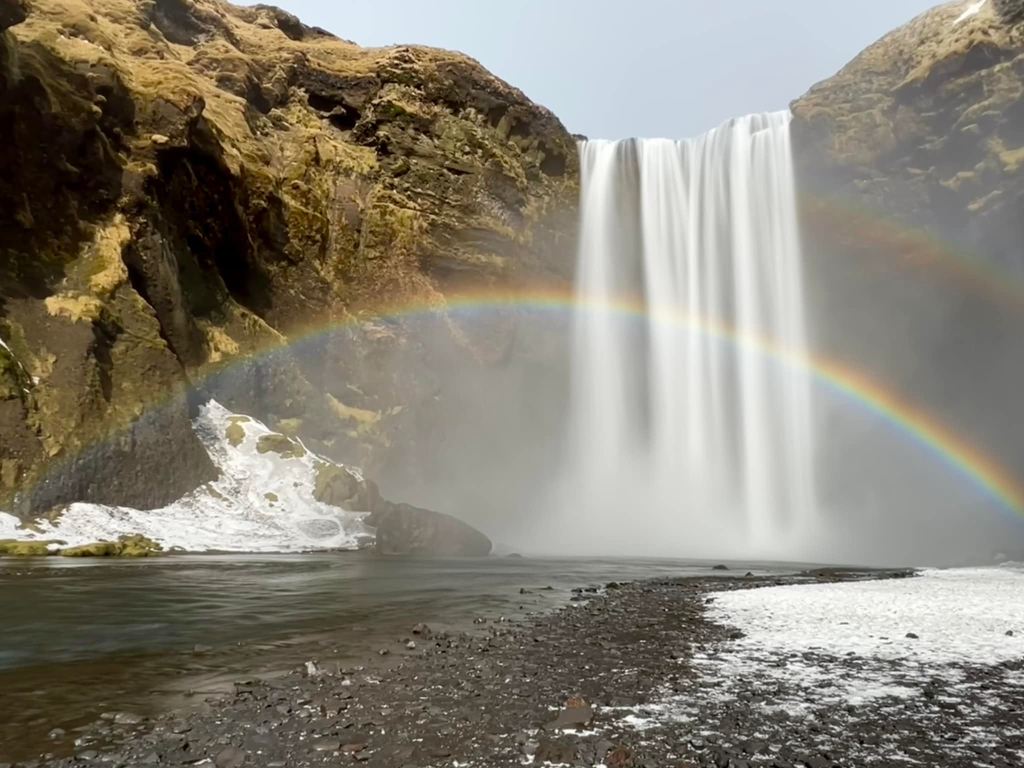
Skógafoss is not only breathtaking, it also has a fascinating story, adding to its mystique. During the settlement of Iceland, a sorcerer named Thrasi Thorlaksson was said to have buried a treasure chest in the cave behind the waterfall. In the 17th century, a group of men was said to have found the treasure chest. However, as they tried pulling on the chest, the ring on the chest broke off, and the treasure chest disappeared into the cave. You can view this mysterious ring if you visit the Skogar museum nearby, where it’s on display.
Next to the waterfall, there is a path where you can hike up above the waterfall. The view from above takes your breath way as you witness the powerful force of water.
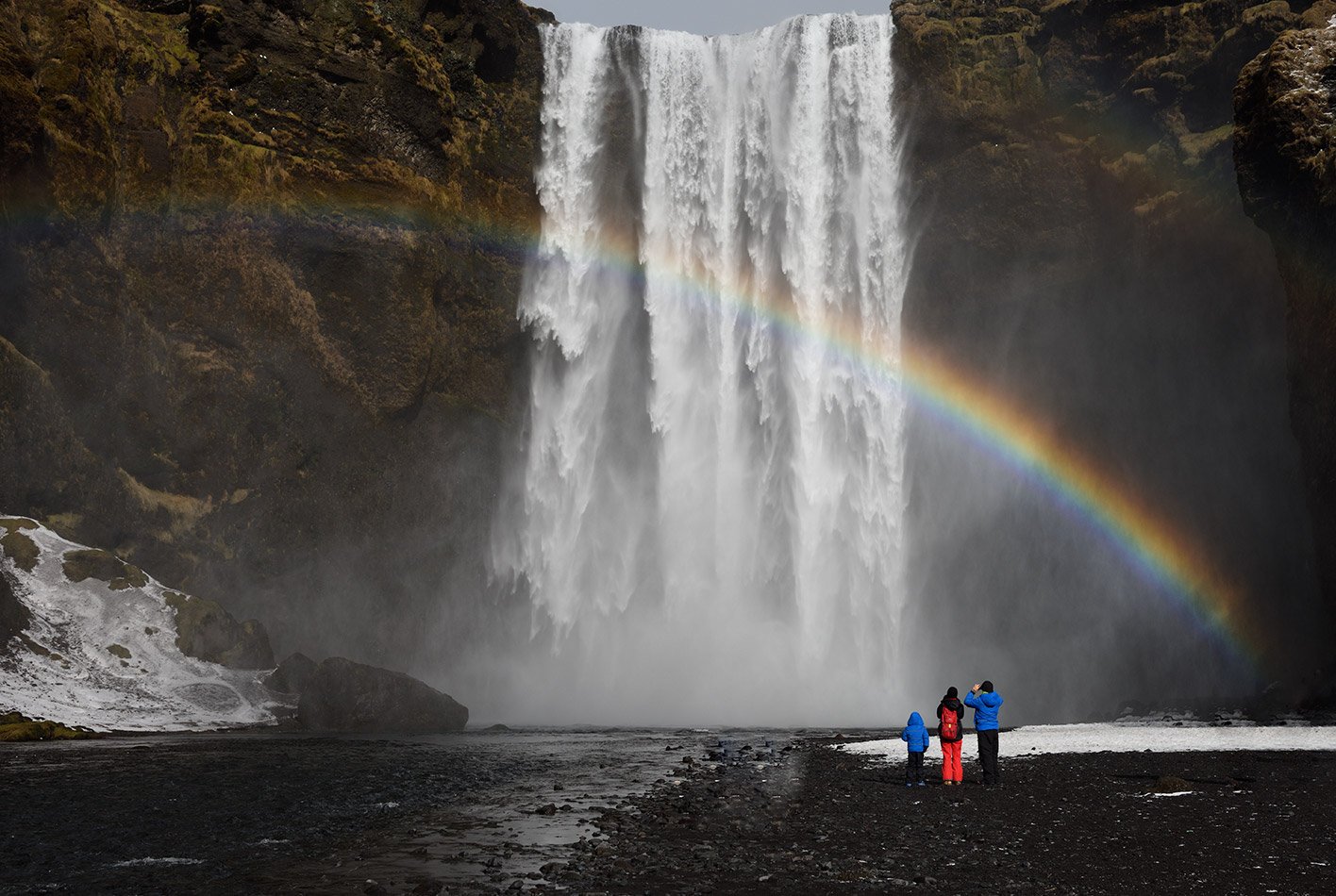

It is common to see a rainbow (or double rainbow) there on sunny days.
Vík
Reynisfjara Black Sand Beach
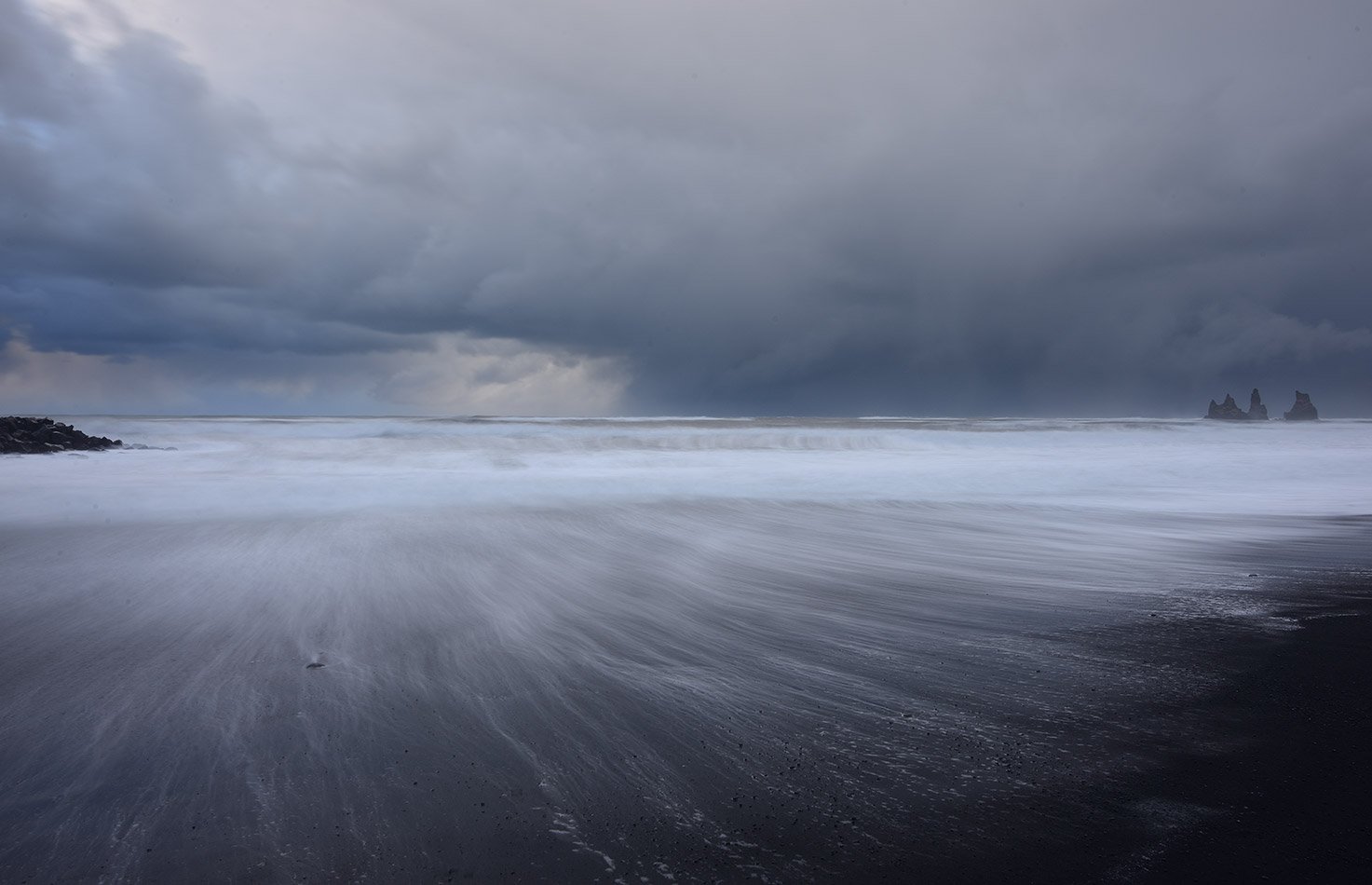
I think the most recognized tourist destination in Iceland is Vík, especially the Reynisfjara Black Sand Beach. The beach has been regarded as one of the world’s ten most beautiful beaches. Beautiful as it is, it is also the wildest and deadliest of all! Don’t be fooled by the waves; they are more powerful than they look. And as they roll to shore, expect the unexpected! They don’t just stop half way through the sand like other beaches you’ve seen; they roll all the way in land! We were caught off guard and were literally running for our lives!!! We caught our little one just in time, but he still was engulfed in water and was completely wet in sub-zero temperatures!! The undercurrent is also very strong, so swimming is prohibited. Just be alert while you’re there. To me, it is a must-visit destination when you’re in Iceland.
Víkurfjara Black Sand Beach
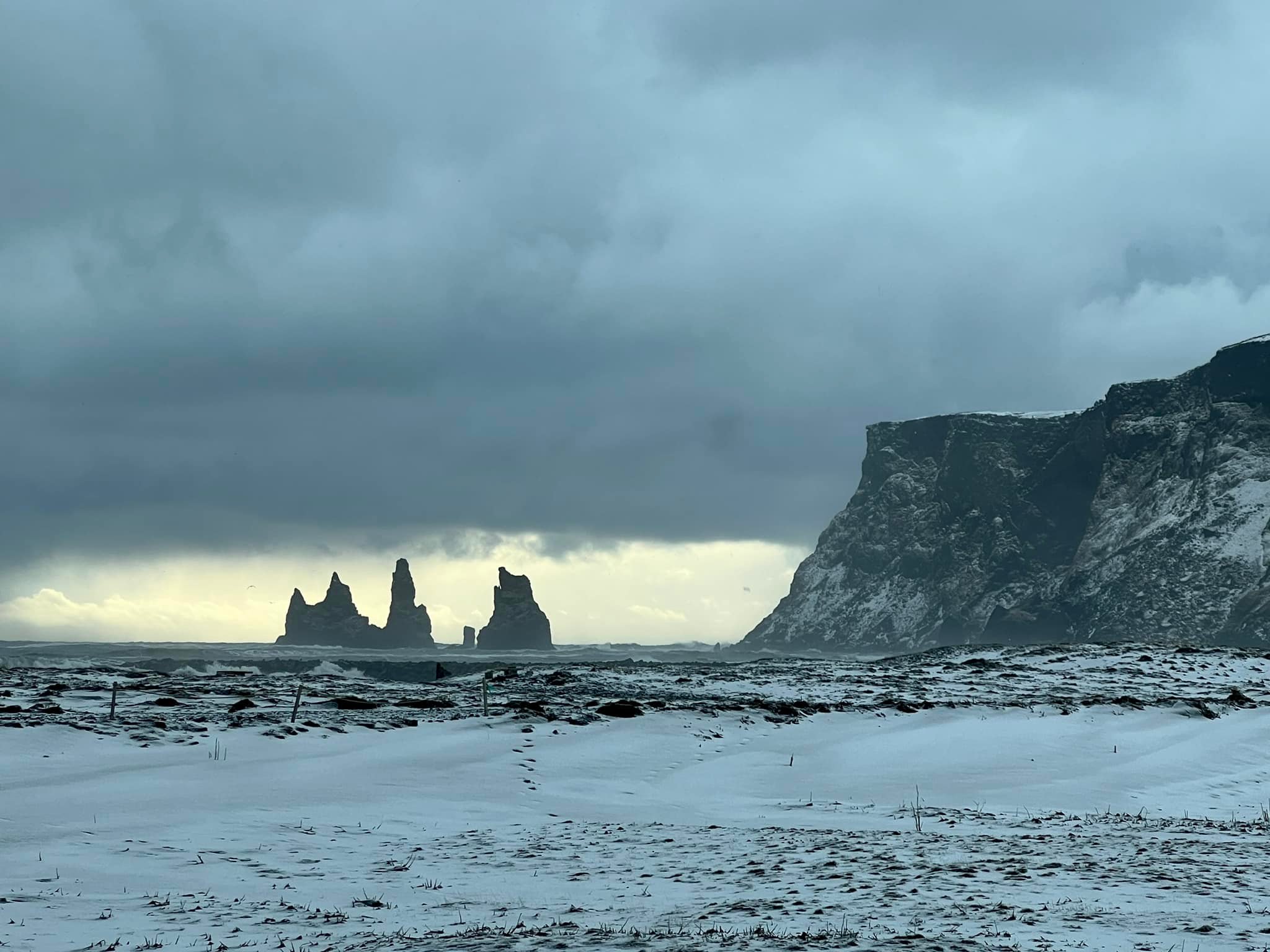
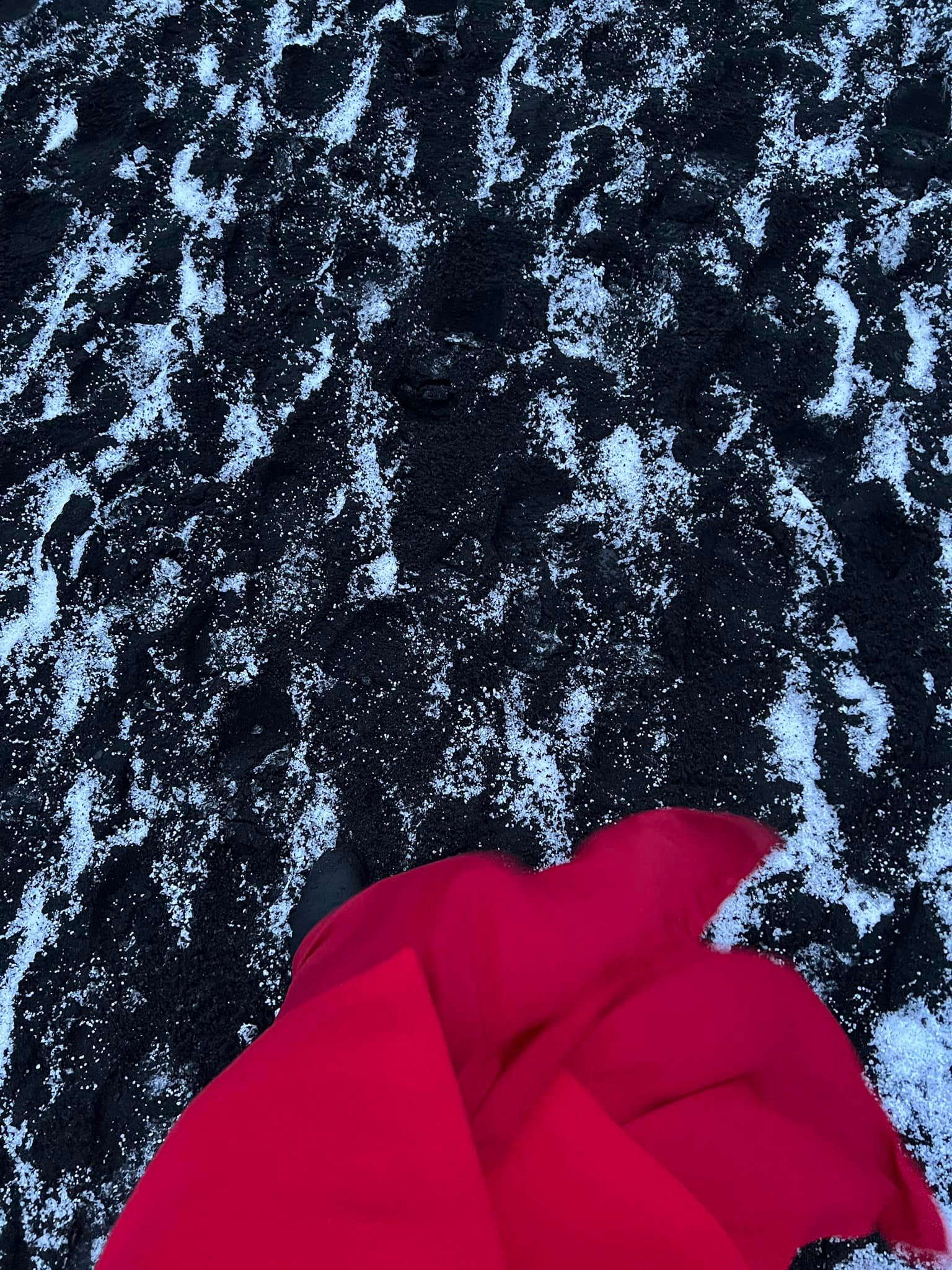
Just on the other side of Reynisfjara is Víkurfjara. From this beach, you have a better view of the Reynisdranger basalt sea stacks.
Vikurkirkja church
It is a wooden church built in 1929 that sits atop a hill overlooking Vík í Mýrdal, offering picturesque views of the ocean & town. You can also see the Reynisdranger basalt sea stacks from here.

Diamond Beach
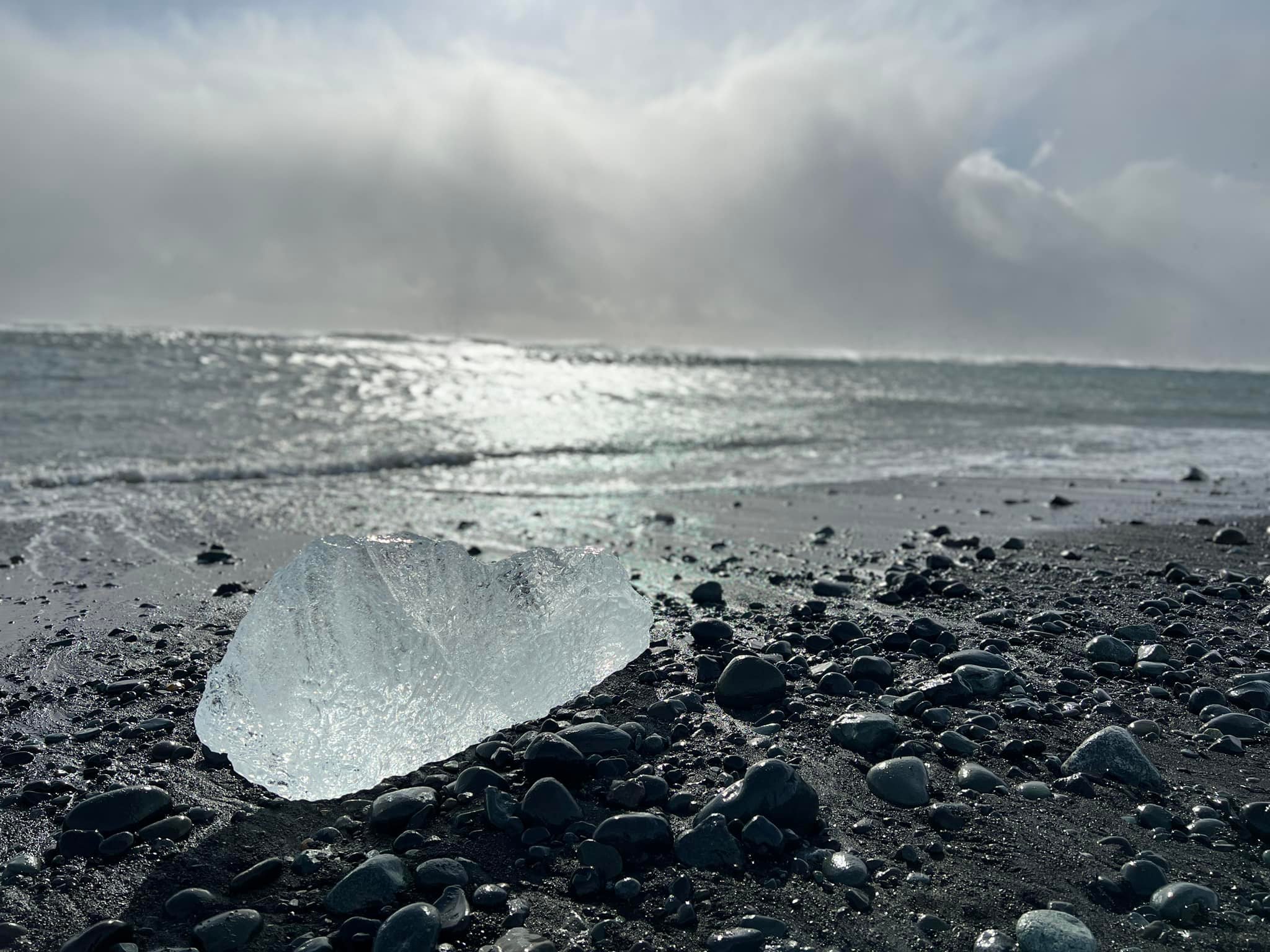
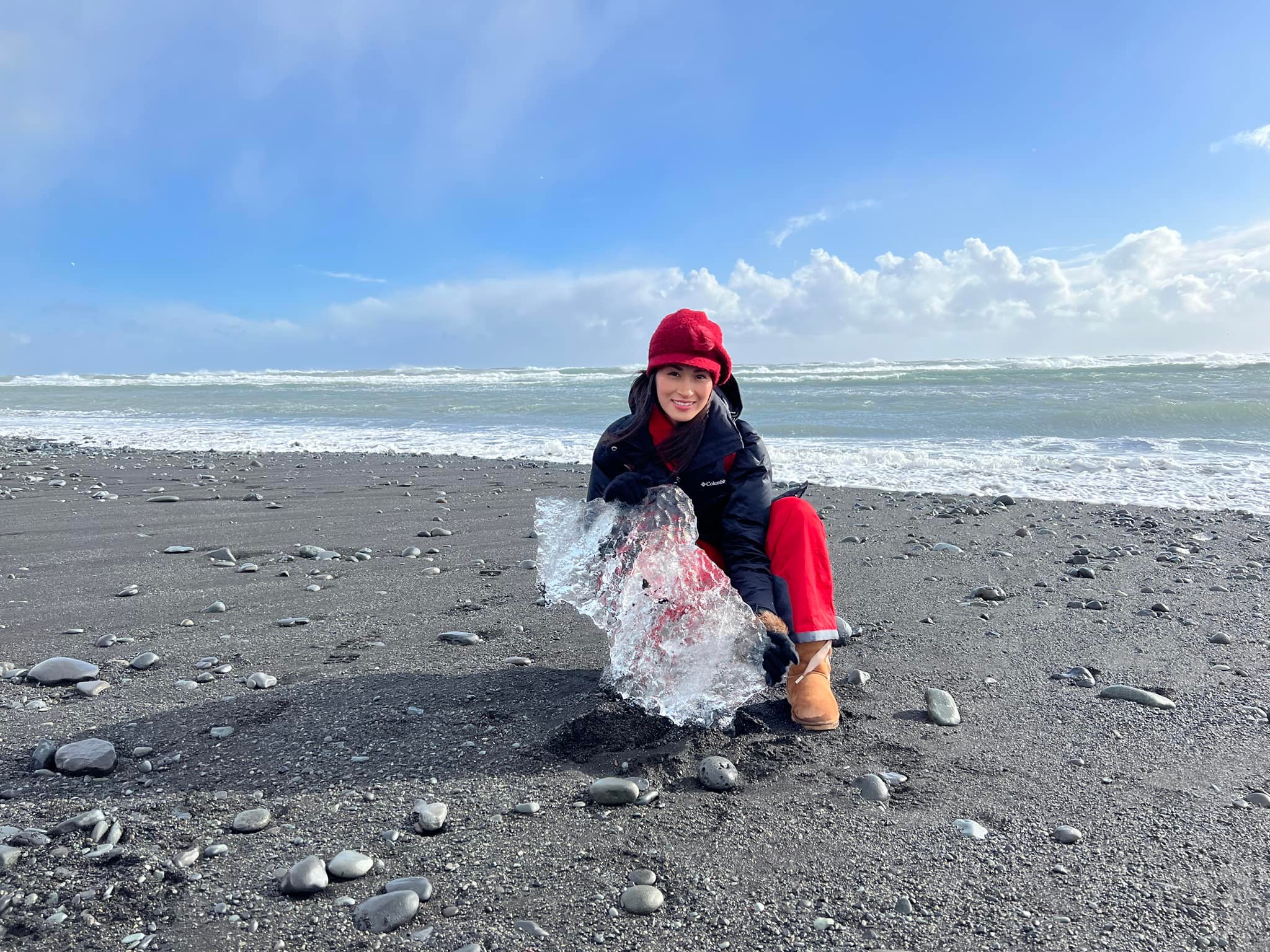
Located just across from Jökulsárlón glacier lagoon. The beach is called Breidamerkursandur in Icelandic (sandur means sand), and most Icelanders aren’t familiar with the name the Diamond Beach as it’s only used in the English language. It’s called Diamond Beach because the sand here is scattered with shards and orbs of ice that sparkle as clear as diamond. The beach’s icebergs originate at Breidamerkurjokull Glacier, a glacial tongue of Europe’s largest glacier Vatnajokull.
Jökulsárlón Glacier Lagoon
Jökulsárlón is a massive glacial lake on the edge of the Vatnajökull National Park. The lake was part of the head of the Breiðamerkurjökull glacier before it started receding.
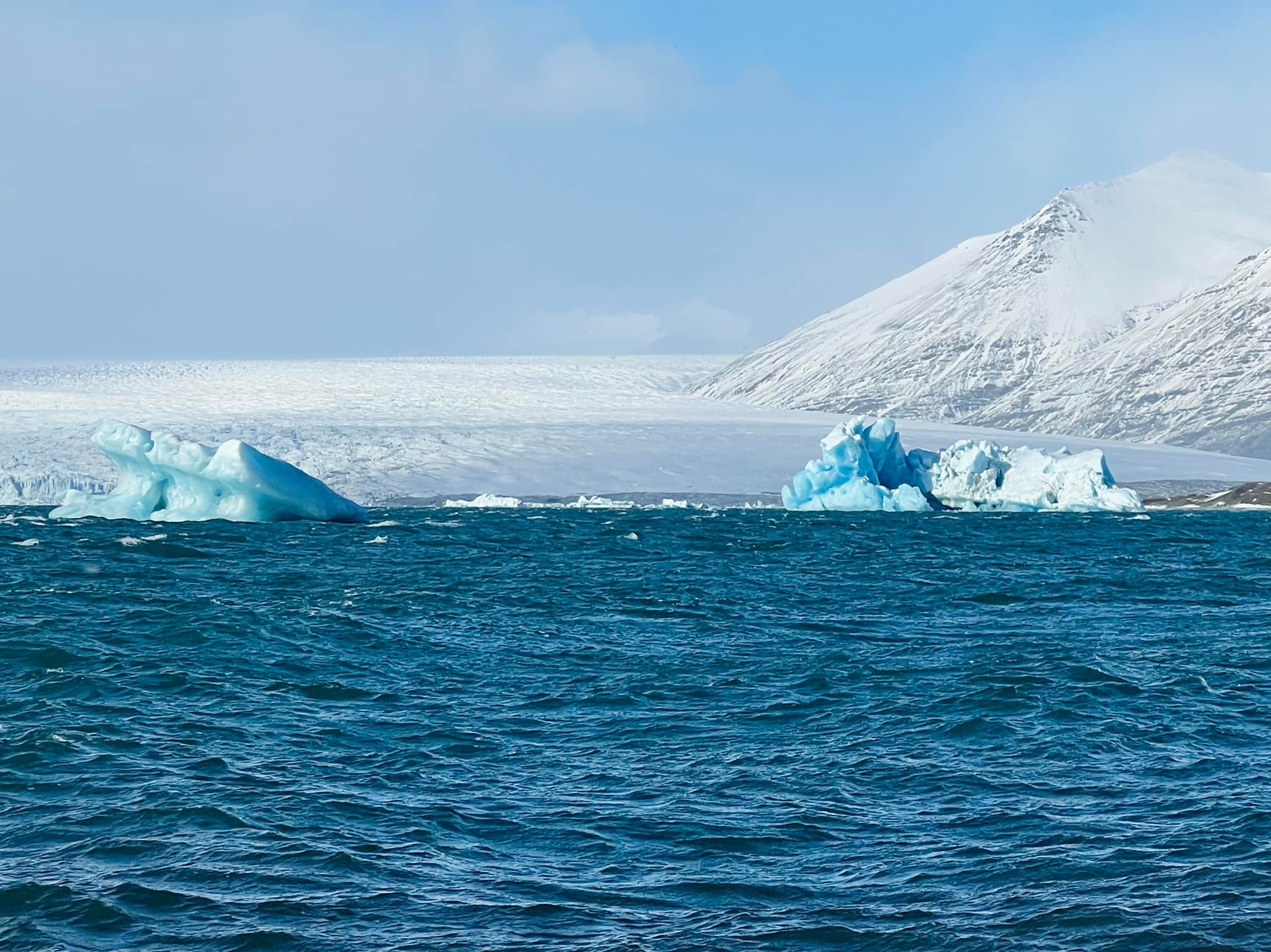

There are boat tours that can take you nearer to the icebergs. Ice cave adventures are also popular. We traveled with a toddler, so we didn’t feel comfortable doing any of these activities.
Vesturhorn Mountain
A dramatic spot where vertiginous cliffs meet a flat black sand beach, it is a photographer’s paradise! A popular view is from the beach at Stokksnes. Note that the beach is private and requires a ticket to enter.
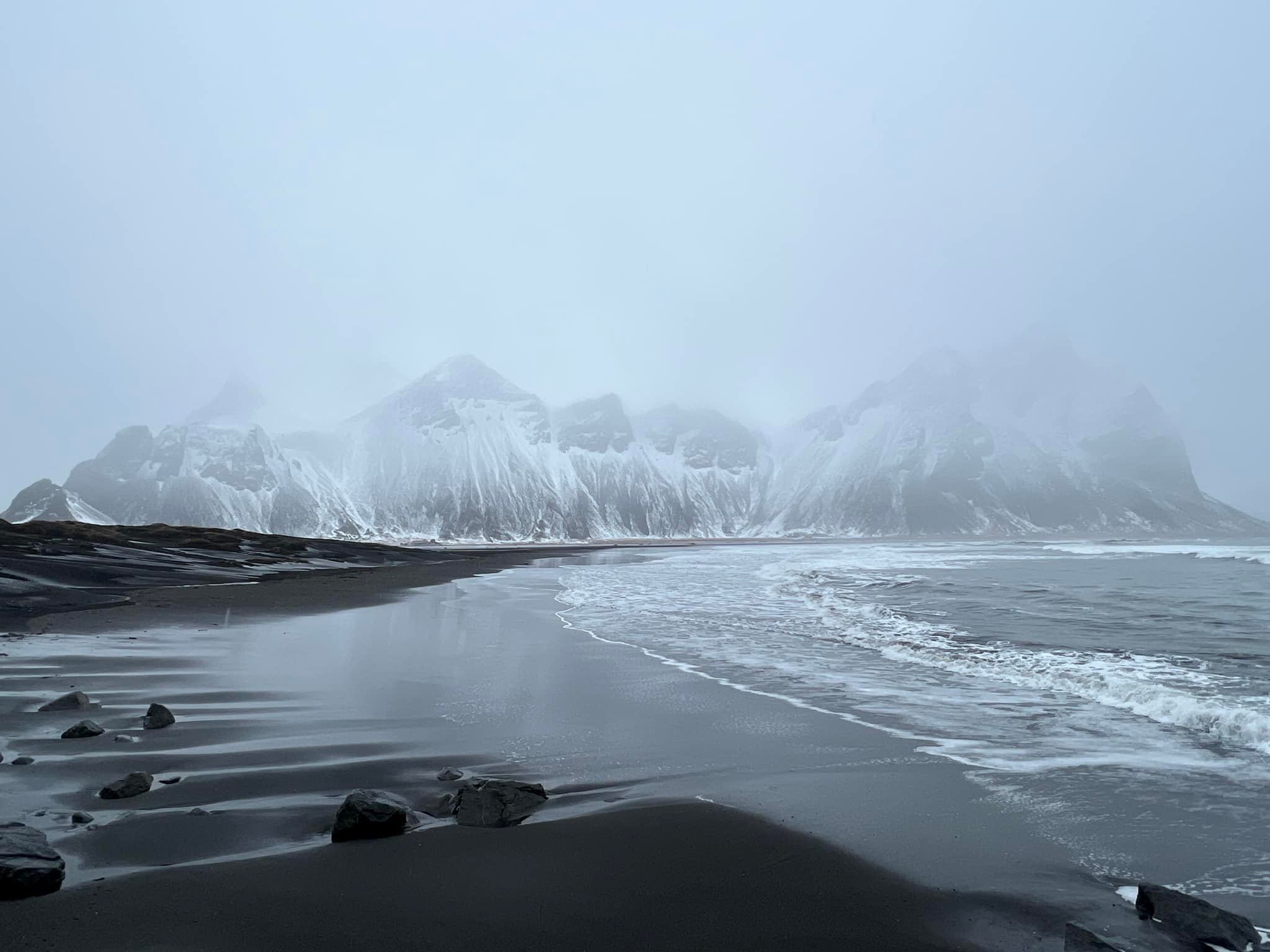
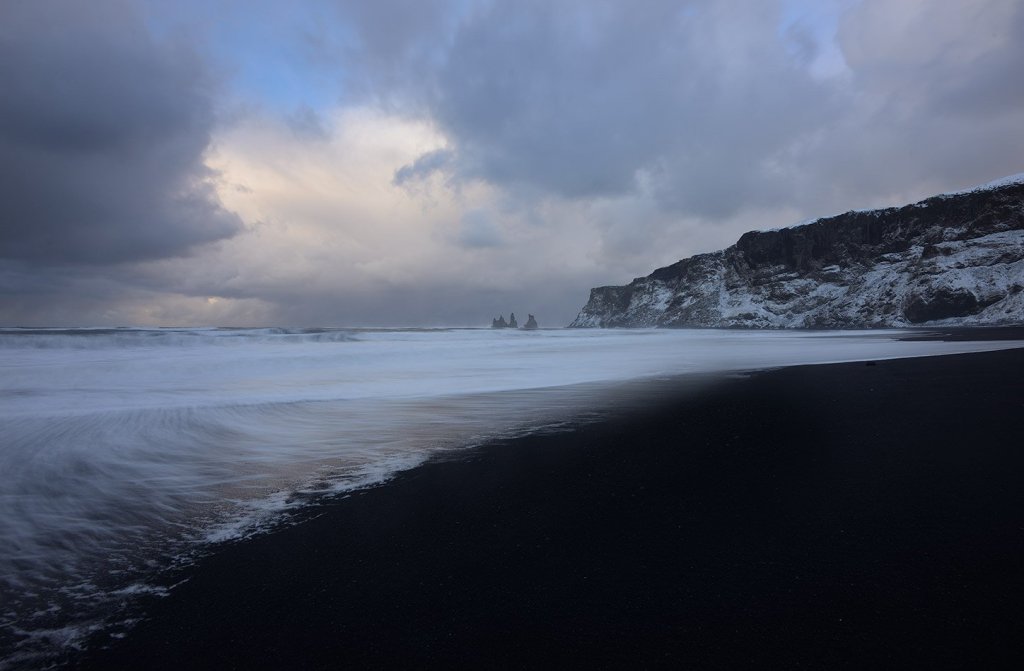
It is worthy to note that the photo above was taken with my phone, unedited. The photo is not in black & white; this is how it truly looks in real life!
Blue Lagoon
The geothermal spa is on most of the must-do lists since it’s only 20 minutes by car from KEF airport. Named as one of the 25 natural wonders of the world by National Geographic magazine in 2012, the Blue Lagoon’s geothermal seawater is 70% ocean water and 30% freshwater, enriched with silica, algae, and minerals — which is believed can heal, rejuvenate, and nourish the skin. It is recommended to reserve in advance a day pass or a spa experience, especially if you travel during peak seasons. The on-site restaurant was also good; the ambiance was pleasant and the views were spectacular.
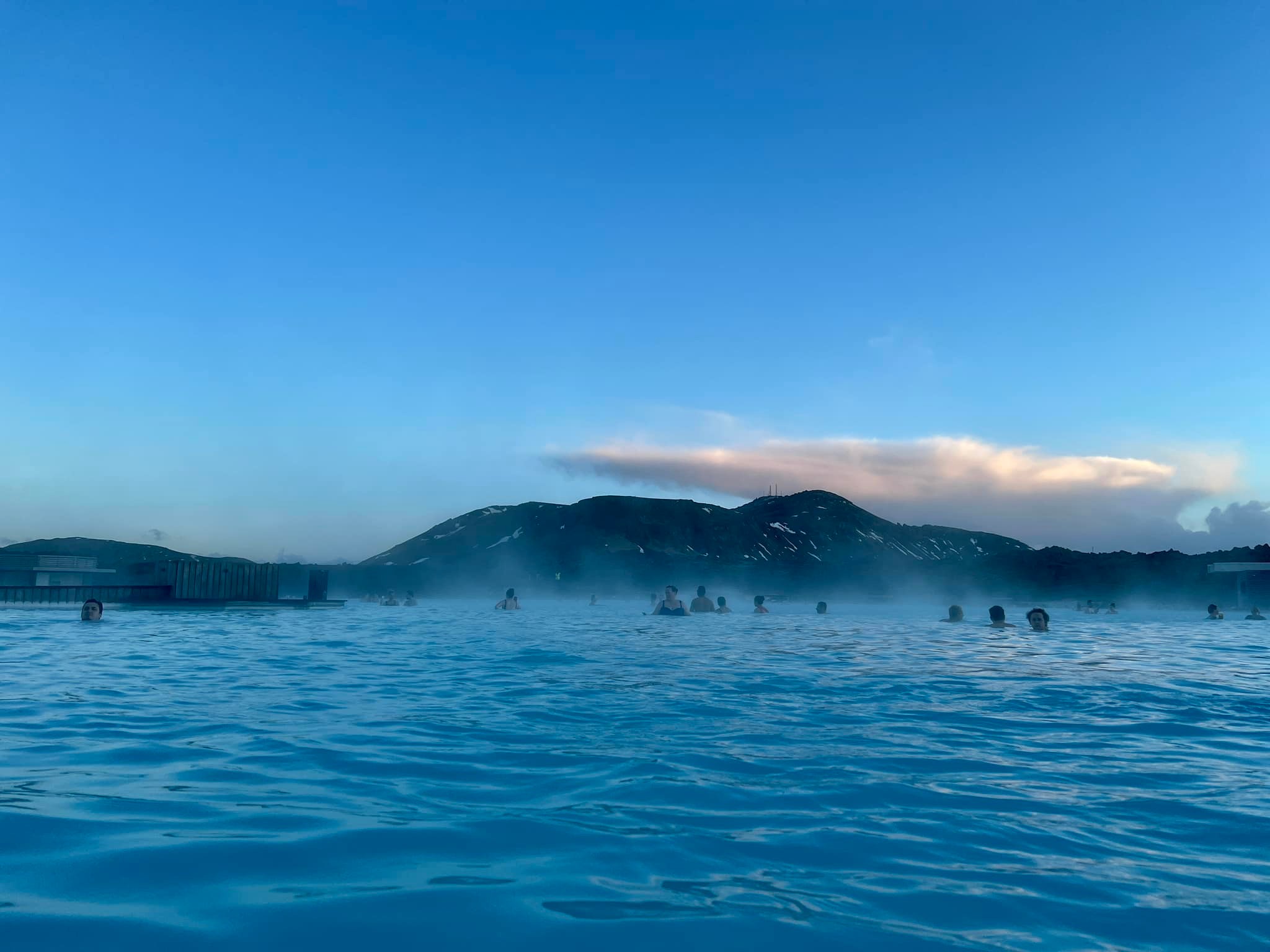
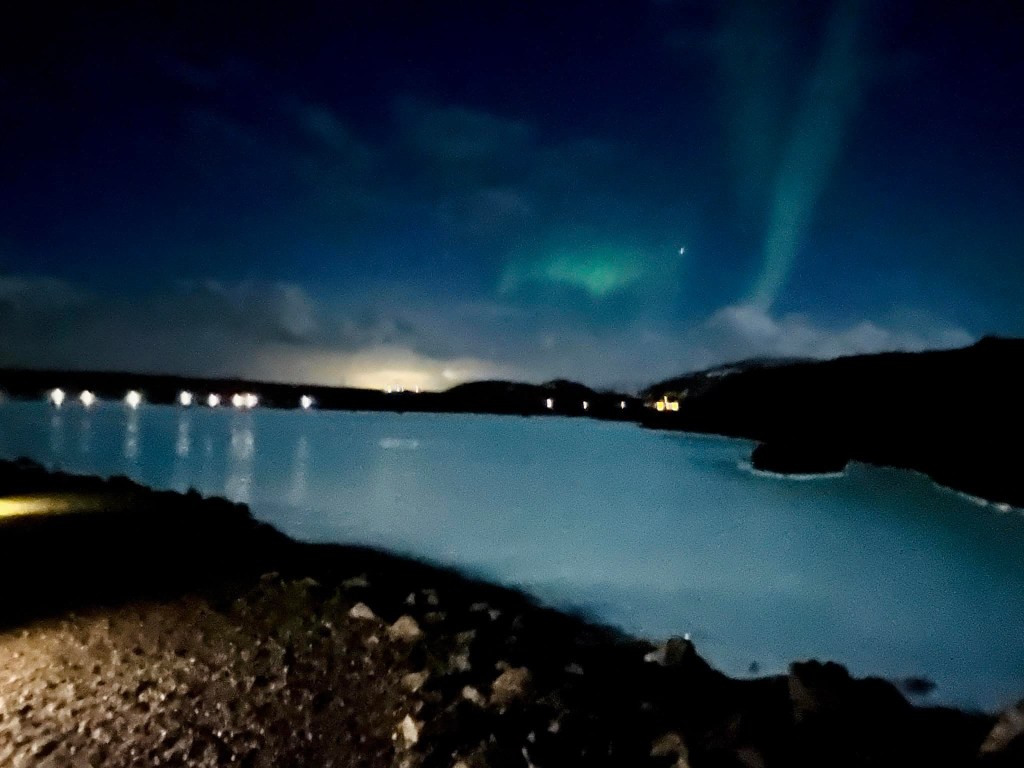
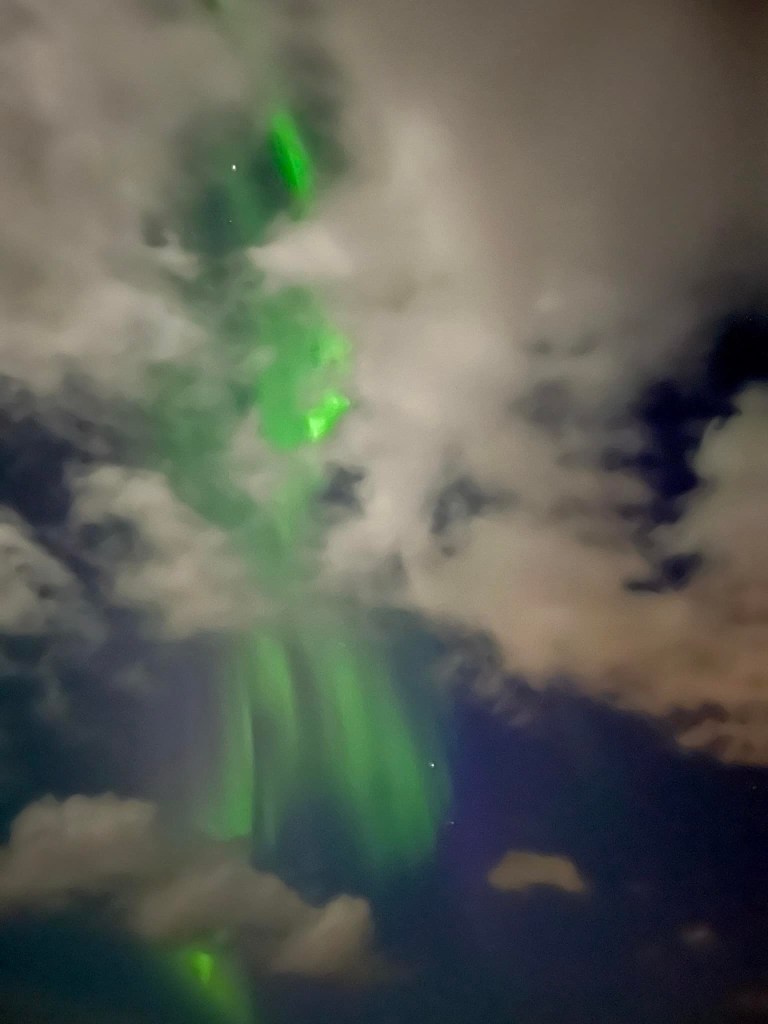
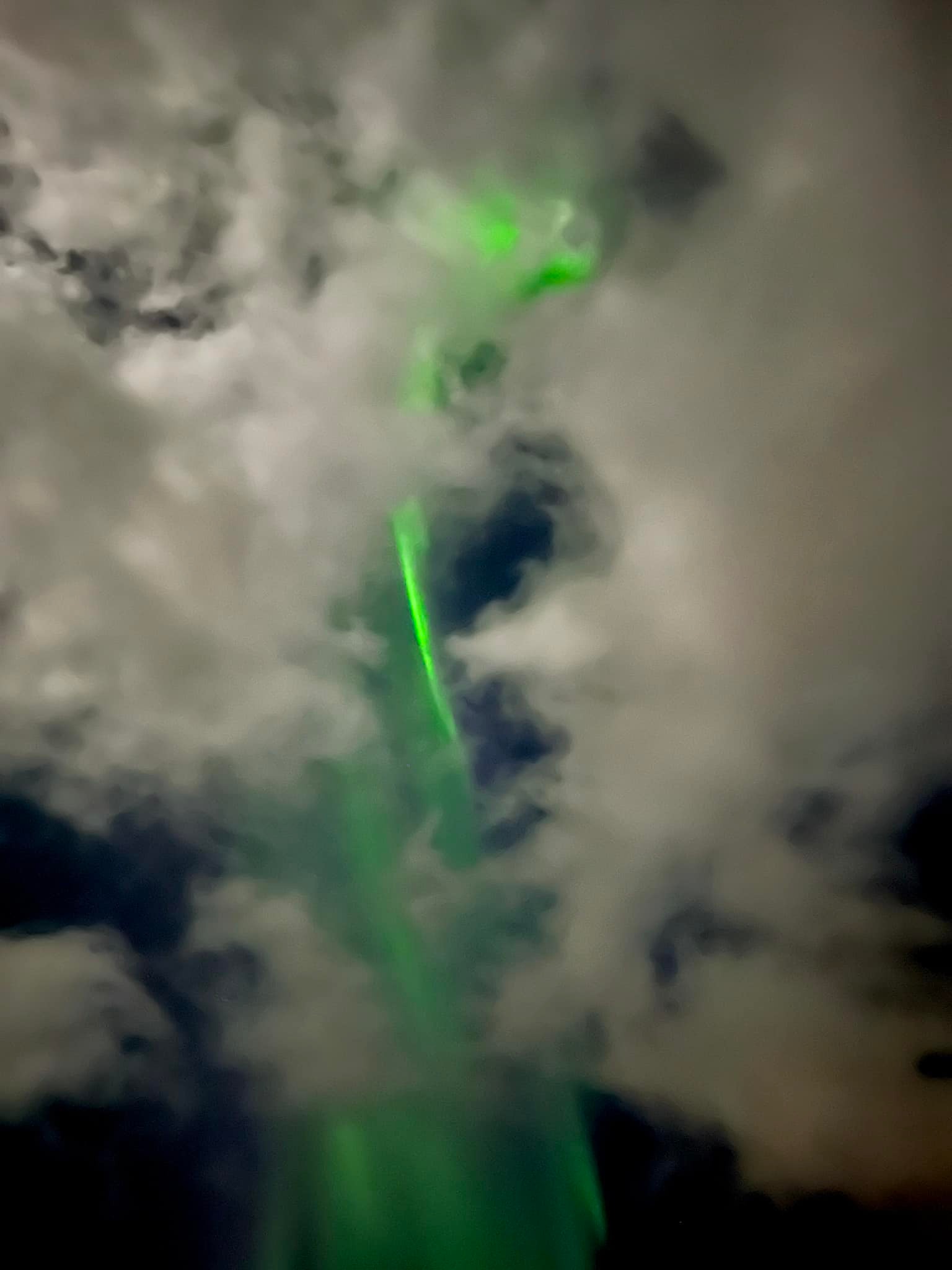
We had our first dinner in Iceland at the Lava Restaurant in the Blue Lagoon. When leaving, we were surprised to witness the Northern Lights! At only about 10 p.m. not too far from the city, the viewing wasn’t as vivid as what you see in photos. We saw streaks of lights in green. Unprepared, we only captured the night sky with our phones. For best viewing, the sky needs to be pitch dark, usually after midnight at a place with no city lights. We went back to the hotel and had planned to come out after midnight for catch a better glimpse, but the plan didn’t work out. Being jet lagged, we hardly slept on the flight and could hardly keep our eyes open past 11 p.m. that night!
(Note that per the spa’s website, the Blue Lagoon is temporarily closed. Another reassessment will be done on December 14th to determine if it’s safe to reopen or extend the closure.)
It is hard to cover everything about our trip to Iceland in one article, so I decided to save the remaining details for another time as this one is getting extremely long already.
When mentioning Europe, I think most of us would immediately think of the many spectacular castles and beautiful museums, or landmarks full of history. There are parts of Europe that seem to remain untouched by humans, and Iceland definitely fits this description. It is as if you were teleported to another planet, or transcended to another time. Visit and you’ll understand the hype! It will be an experience like no other!!

 Making Memories
Leave a comment